Seed time
To grow a pepper, a seedling can be bought either directly or from seeds. There are differences in the timing and management of the cultivation of different types of chili, but family cultivation is less complex, as in the case of family cultivation。
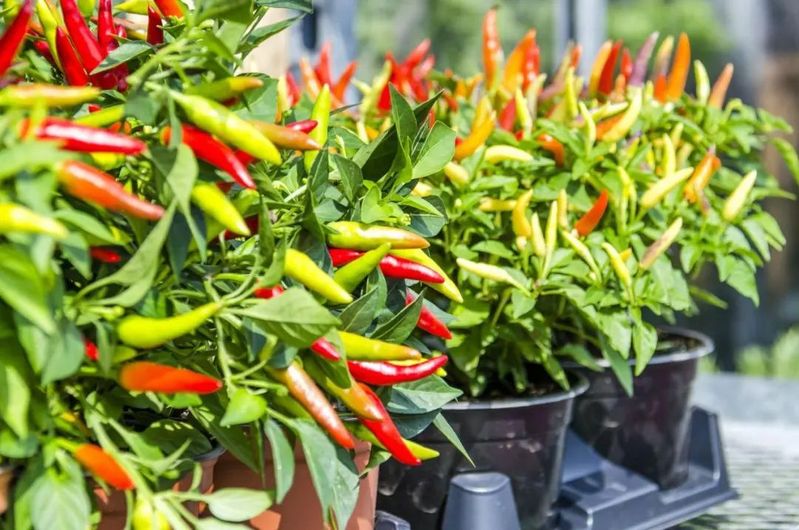
In the case of planting, preference is given to dwarf varieties, which can be chosen according to the conditions of planting, with limited space for planting or with the intention of planting them as ornamental plants in a flower garden. In the south, for example, seeding can take place in many seasons, and if seeded in march-april, it can harvest in the summer; in the early summer, it can harvest around september-october; and in the summer, it can harvest before winter. By autumn, seeds can be sowed in multiple batches to extend the overall harvest time, while the earlier the seeding, the longer the single harvest, the choice is self-adjusted. The sowing season in the north is much shorter, with spring suggesting a delay of half a month to one month to ensure that the temperature warms up and sows; summer suggesting planting around a month in advance to harvest pepper before cooling in the north; or planting plants in the shed and indoors。
02
Seeding
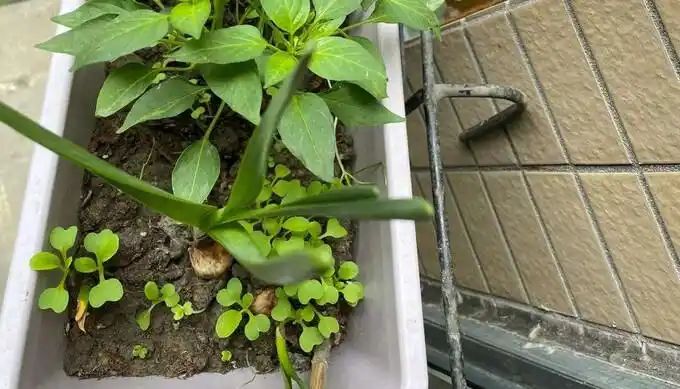
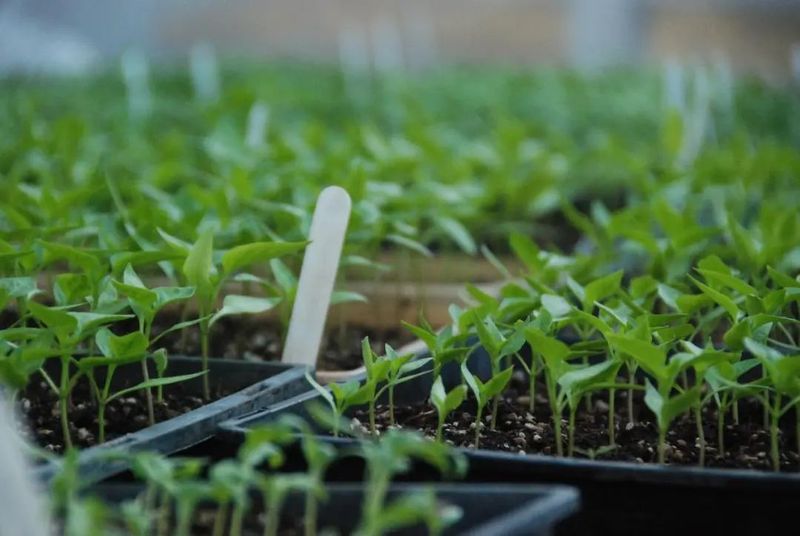
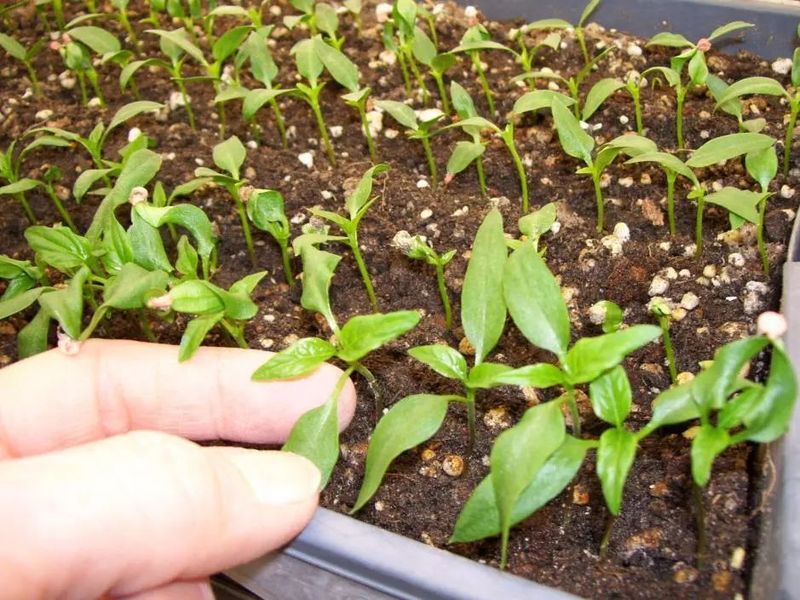
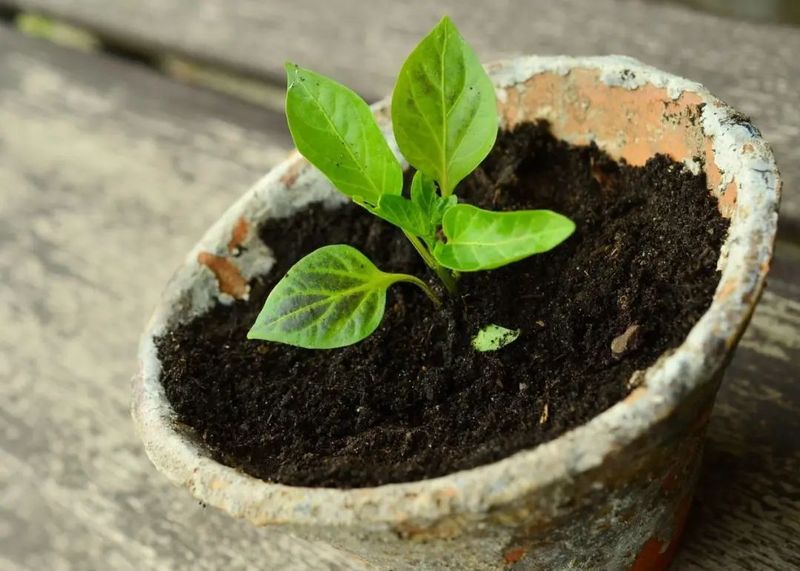
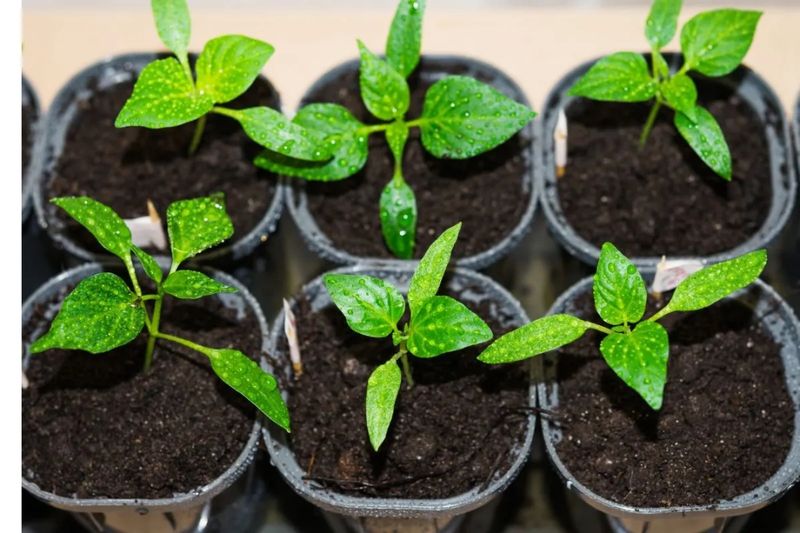
There are differences in the size of the different varieties of pepper seeds, but the overall planting methods are the same, so that they can be pressed lightly into the wet soil (larger seeds can be pressurized slightly), so that moisture and ventilation can be maintained for about 7 to 10 days, and soaked seeds with warm water for 1-2 hours before planting can be used to promote the growth. Once sprouts occur, they are gradually moved into the light, and they can be transplanted or planted when 3-4 leafs grow. When planted, the layer can be added to the top 1 cm where the first pair of blades grow, and the poles covered by the soil can take root in the future. Plantation is either inverted or fractured because of its height, and even if it breaks, the future of the growth point buried under the soil is likely to develop as a “insurance” that is recommended for planting。
03
Light
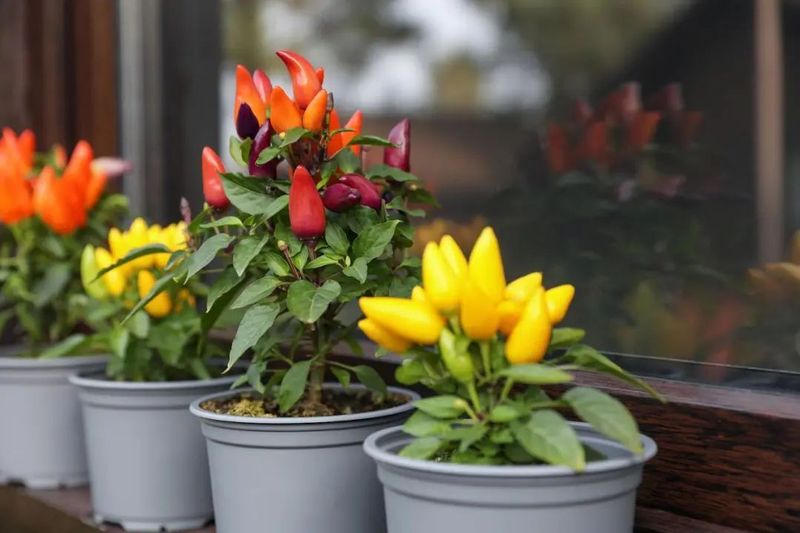
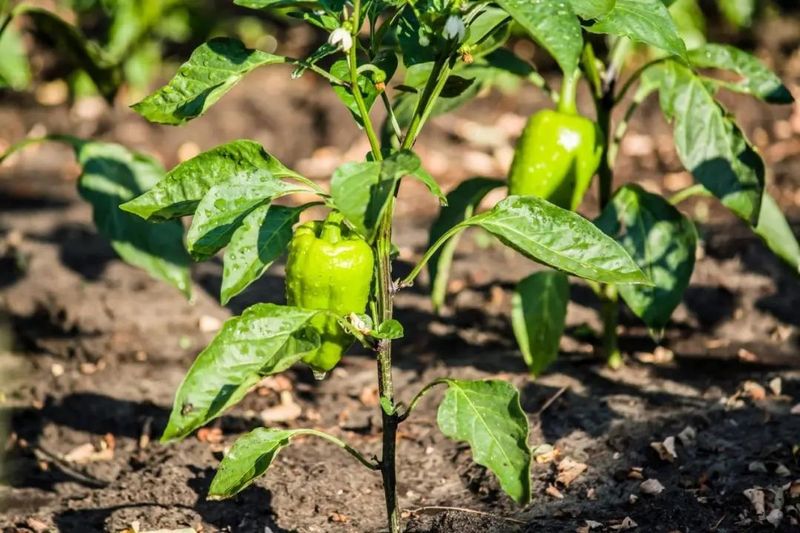
The paprika is full of light and is recommended for more than six hours on a daily basis. Weak light leads to the drop of the paprika or a decrease in the amount of fruit, which is not coloured. The summer high-temperature light notes have resulted in yellow or sunburning of leaves, but in most cases do not affect plant growth and can be gradually restored after cooling。
04
Water
Dry and wet is sufficient and has a slight ability to withstand cold but does not accumulate water. Ground-planted peppers are more likely to die in the middle of the rainy season and after typhoons, and require attention to drainage。
05
Temperature
Chili is warm and suitable for temperature ranging from 25°c to 30°c, growth above 25°c and growth above 35°c is not recommended. Slow growth at temperatures below 15°c (including the result that the maturity of the fruit consumes relatively more time) begins to freeze below 5°c and directly freezes to death in the ground section below 0°c. For winter, temperatures are recommended to remain above 10°c. But hot peppers are grown as one-year plants and need not be deliberately tried for winter。
06
Soil
Paprika is a vegetable and can be used as a special soil for vegetable and vegetables, or as a home-made soil to ensure ablaze, with a suitable amount of organic and base fat, and soil alkalinity being neutral or micro-acid。
07
Fertilizer
Household cultivation of peppers does not produce the same fertilizer as agricultural production in pursuit of yield and quality. Following the application of base fertilizers during planting, and depending on the growth of the plant and individual needs, the pre-plant (i. E. Before the flowering) and sit-in periods of peppers are followed up, with nitrogen fertilisers being applied in the preceding period and phosphorous potassium fertilizer in the later period. Don't apply fertilizers on flowers in case they fall。
08
Cut
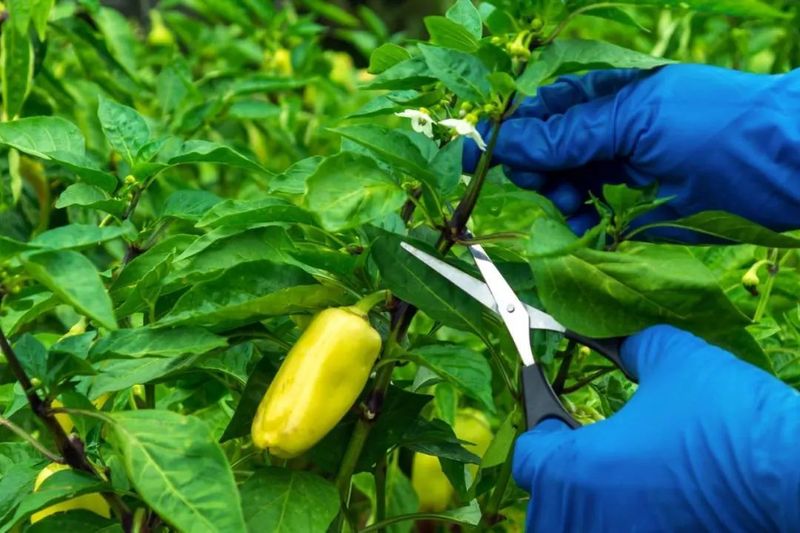
If there is a higher demand for chilli strains and results, an attempt can be made to trim them. There's some similarity between trimping and shrub trimping, which is keeping the outer branch and removing the inner chamber. (b) twigs (small branches grown within the stem of the pepper plant) to increase ventilation between the plants; retain the upper branches of the upper branches and remove the old and sick branches; retain the strong branches and remove the weak branches。
After these steps, we can harvest a pepper. It's a good choice, either to cook with it or to be a small family plant。