He is also known as zhu zhu, zhu, zhu, zhu, zhu, and others. Straight stem, thick meat, slightly flat cylindrical, 10-60 cm long and 1. 3 cm thick. The medicinal plants, the taste of the sex, the cold, the stomach, the kidney, the lungs. It's so hot。
The pebble can be used not only for medicinal purposes but also for visual purposes, so that the pebbles are well received by stone lovers. However, many of the friends who had first-time contact with the pebbles, or who had no experience in planting them, often reflected the fact that the pebbles were hard to grow. As a result, a number of pre-basic techniques and operations on pelvis have been assembled for reference by new hands。
1 poll pick
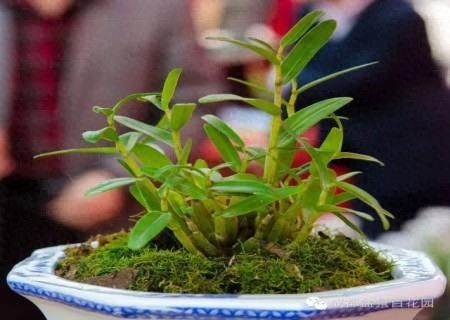
The pyrotechnic plant needs to select a smaller caliber base or perforated flower basin, requiring a better air-transmitting, asphalting or, instead of the pyrotechnics, a direct anchoring of the pebble on the dead wood。
2. Base mass matching
The pyrotechnic plant medium is different from the general flower because it cannot be grown with earth, preferably with moss, gravel, peanut shells, moss, coconut skin, pine bark, wood crumbs, charcoal, wood blocks, etc., which are well waterproof and ventilated。
2. Qualitative treatment
Crushing of the bark into corn grain size particles or fine blocks; boiling of the base with open water for more than one hour to dry it out; use of microbicides (usually polybacterium) to use the water for disinfection liquids (scale 1. 1500-1:2000); leaching of the matrix into the sterilised liquid, which takes about three days to dry it out。
3. Plantation of seedlings
There are two types of seedlings, bottled seedlings and domesticated seedlings. Using bottle seedlings, the process is more complex and cumbersome, and less expensive than domestication, but less expensive. If you still want to plant a bottled seedling, you have to process it through washing, disinfecting, refining。
4. Cultivation methods
Cultivation is preceded by the placement of a small layer of gravel on the bottom of the basin, which is better permeable and ventilated, with seedlings having to be spread, the roots placed on the base of the basin, and the roots covered by the base, so that the roots are not buried too deep because the plume is a gaseous root plant, which is too deep for root growth. Finally, water is poured (if water is piped water, it would be better to have some tan and to wave chlorine gas)。
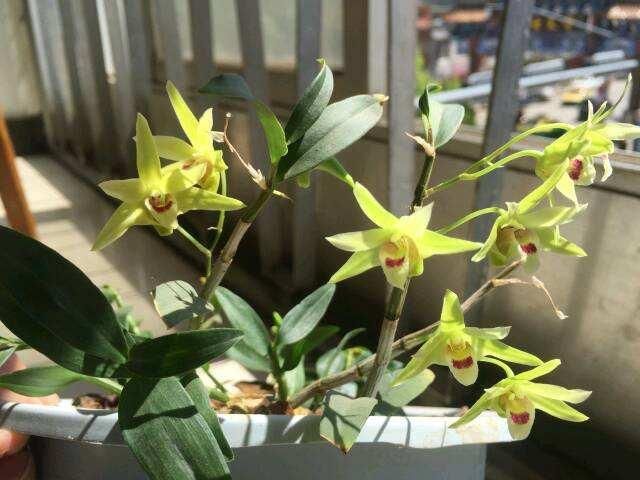
This has led to the creation of a pelvis plant, followed by day-to-day management, which usually takes place in winter, cut off in an inch of the old base, and is available for use, leaving behind a new gerbil for next year。
1. Photometric measures
Ironstone, but afraid of the sun. Therefore, it is not allowed to be directed by the sun, usually with light being dispersed or filtrated to light, or in a soft spot。
Two, stay warm
Temperature control in its entirety is consistent with winter and summer cooling patterns, with the selection of a cold, high and wet environment at about 10°c or lower at night, with daily temperatures at 10°c-15°c. If the temperature differential is small, it will affect its growth and flowering。
3. Appropriate water spraying
This is to increase the humidity of the air, but it is important to keep the temperature moderate if it is safe, if the temperature is too high to affect growth and if the humidity is too high to cause the root causes。
4. Reasonable fertilization
Usually, fertilisation is applied once in 7-10 days and is not applied during hibernation。
5. Timing
Some of the old and dead branches, as well as the well-growing branches, should be cut each year before the spring sprouts or harvests, which can facilitate new growth. If they cannot be trimmed, not only are the opportunities and materials for the use of this precious drug wasted in vain, but also the growth and sprouting of whole iron platinum。
6. Combating pests and diseases
Artificial insect catch, elimination of pesticide use and growth of iron and stone. Also ventilated to reduce the probability and frequency of pests and diseases。