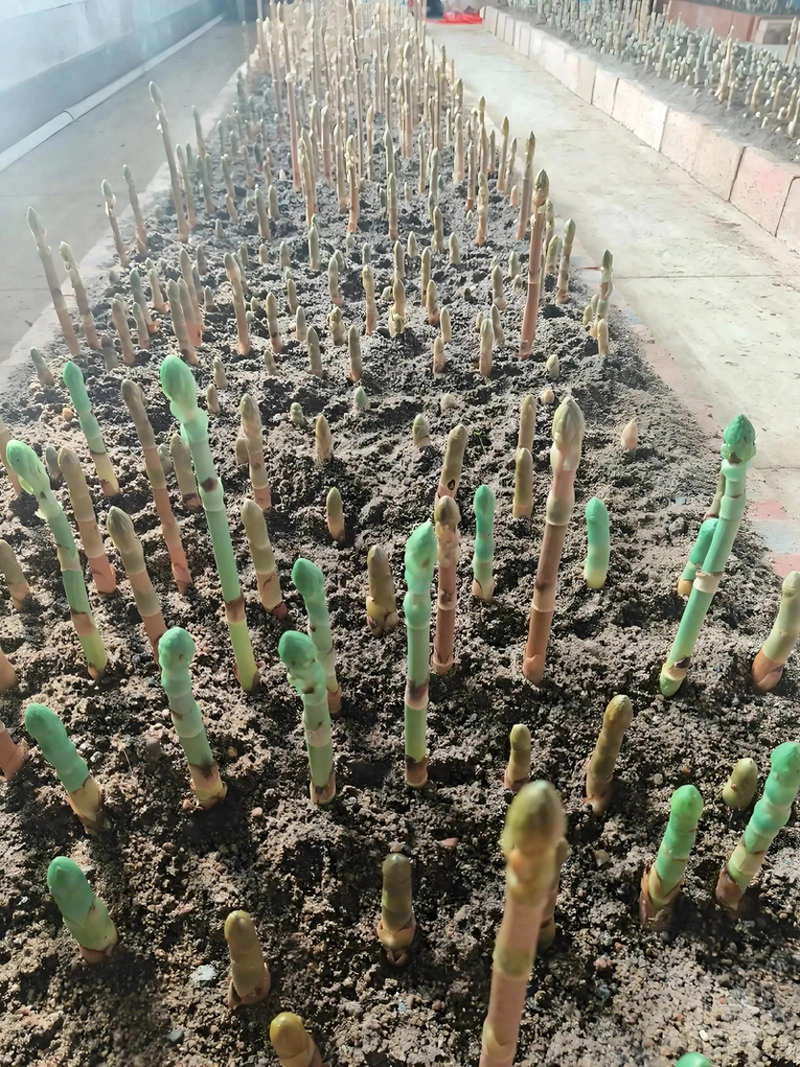
Plantation readiness
Site selection: choose the range of 1000 m above sea level, cool, wet, well ventilated, decomposed forest or indoors。
B. Bacillus preparation: large leaves, such as cyanoma and eucalyptus, 5-10 cm in diameter, sawn to 30-50 cm long, slashed every 10 cm or so on the wood, deep into the wood。
The selection of the gestational species: the choice of fresh, disease-free, luminous white or rice-meal species。
Methods of cultivation
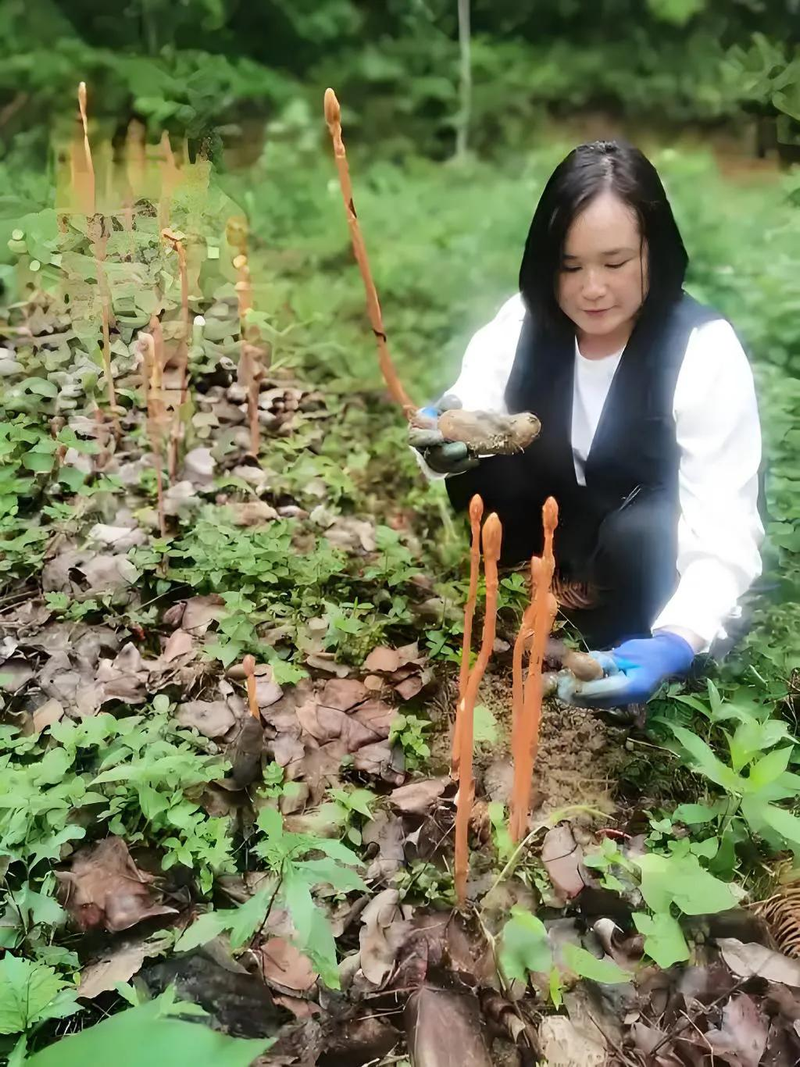
B. Bacillus beds: 2-3 months before planting, 30-40 cm deep and 60-80 cm wide pits are dug and a 10 cm thick corrosive soil is laid at the bottom of the pit, and the ready bacteria are then placed in the pits, with a distance of 5-10 cm between the bacterial strains, and the honey circulus species are inserted at both ends and in the middle of the fungi, and the corrosive soil is filled with cracks between the fungus and lastly a 10 cm thick corset。
Steroid seeding: in a cultured bacterial bed, the steroids are evenly placed on both sides of the fungus, with a distance of 10-15 cm between the steroids and then covered with corroded soil, 15-20 cm thick。
Field management
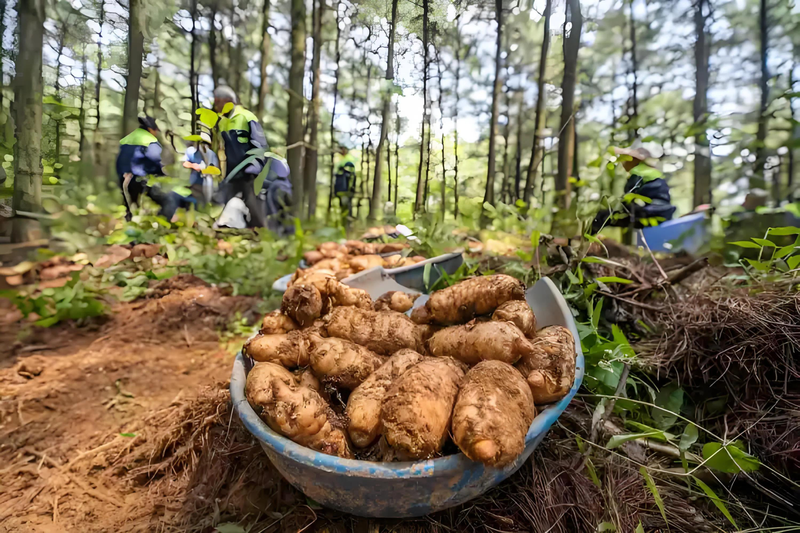
Temperature control: a suitable temperature of 15 - 25°c for the growth of the americity, the cooling of shades at high summer temperatures and the application of temperature protection during cold winters。
Hydrological management: pyramid growth requires a wet environment but cannot accumulate water. In the dry season, water must be poured in time to keep the soil wet; in the rainy season, attention must be paid to drainage and to preventing the accumulation of water from causing decay。
Pests and pests control: the main diseases of cynics are rotting, powdery, etc., and the main pests are gills, gills, etc. Integrated interventions, such as the selection of disease-free seedlings, the strengthening of field management, the maintenance of ventilation and the timely prevention of pests and diseases, are needed。
Collection and processing
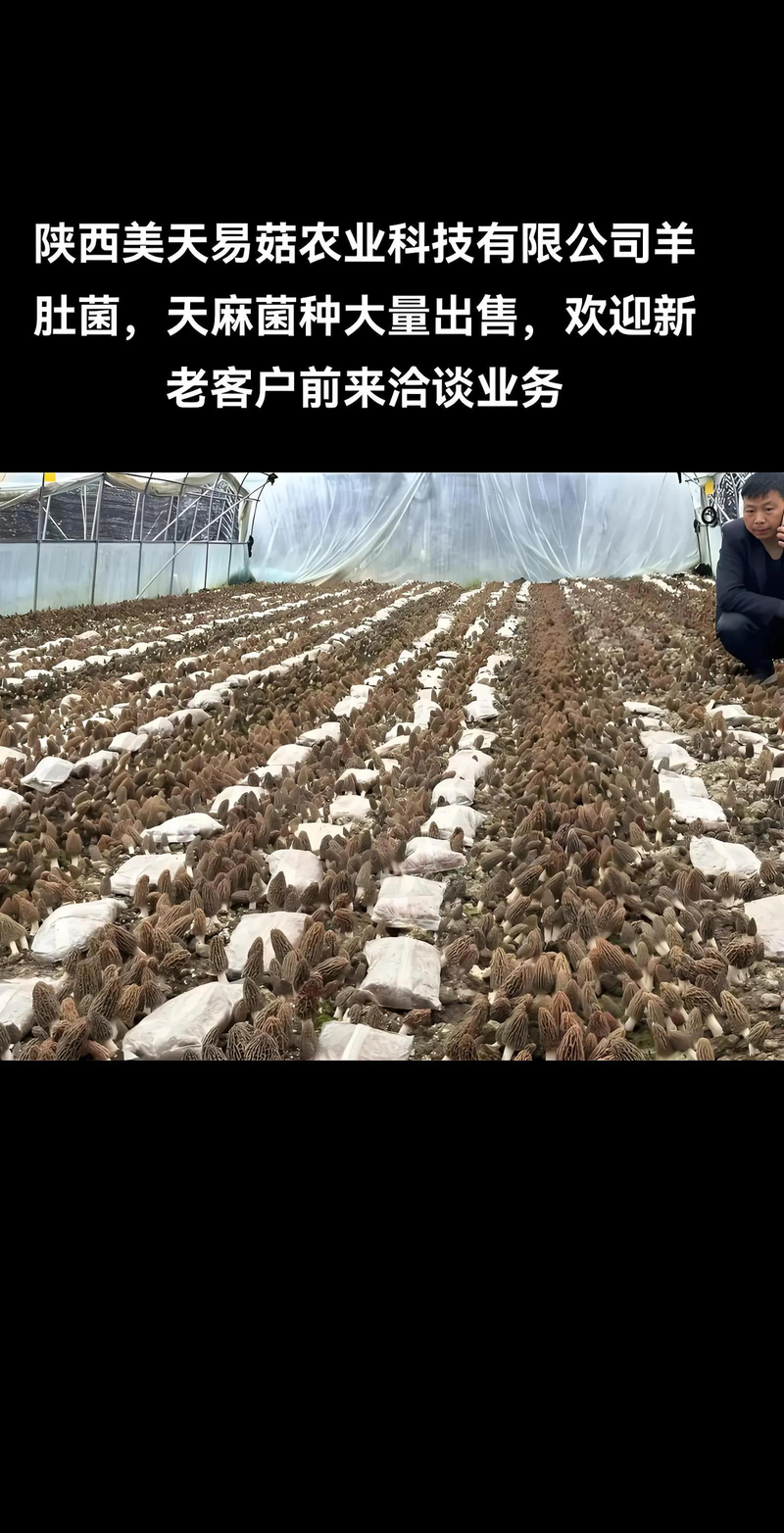
Collection: tianmama is generally collected between 1-2 years after planting and between october and march. When harvesting, be careful to dig up the plaster and avoid damage to the tubers。
Processing: washing the collected sterema, immersing it with water for 2-3 hours, then scraping it with a bamboo knife or glass, fumigating it with sulfur for 10-12 hours and then drying or drying it。
Attention
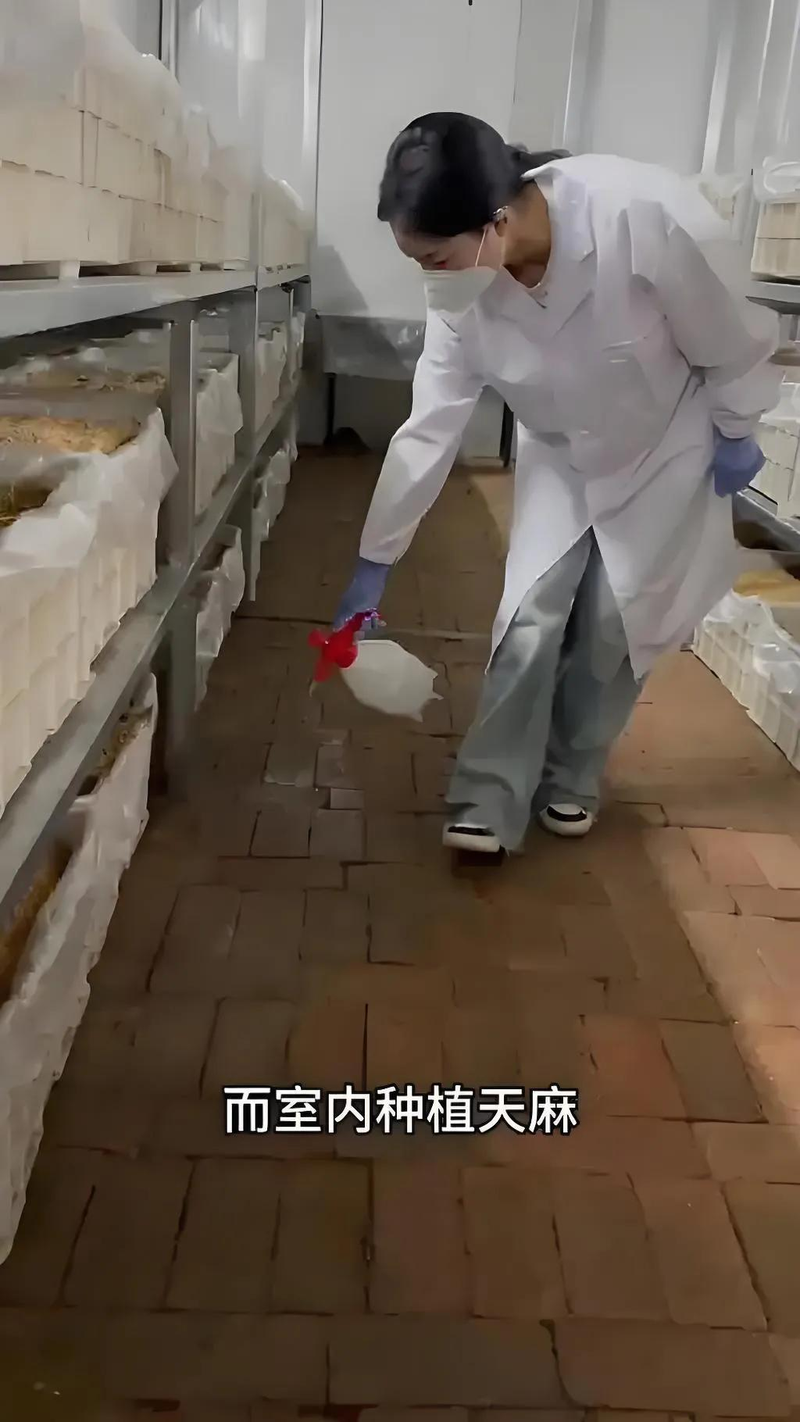
Tianma is a symbiotic plant that lives with the meringue and is grown with care to cultivate it。
The planting of fertilized, fertile and well-drained soil is necessary to avoid planting in adhesive, water-stubling soil, to select high-quality seed and bacteria, and to avoid the use of fertilized, wormed seeding and fungi。
Care should be taken during the planting process to avoid direct sunlight and to keep the environment cool and humid。
In harvesting and processing sterma, care is taken to maintain its integrity and quality and to avoid damage and pollution。