


In recent years, guangxi has been engaged in eco-environmental conservation, eco-economic development and the promotion of green and green mountains, highlighting their value. In mid-spring, a new chapter on eco-friendly farming was written in the land speculation of the strong country。
It's a two-generation, three-brother ecology
The tea is referred to as the “best panda of plants” “tea queen” as the second level of national protection. As a discovery site for gold florist tea, in 1986 the city established the only single plant-named national nature reserve in the country, preserving the world's largest and most diverse rare and endangered tea species and the ecological system on which it depends。
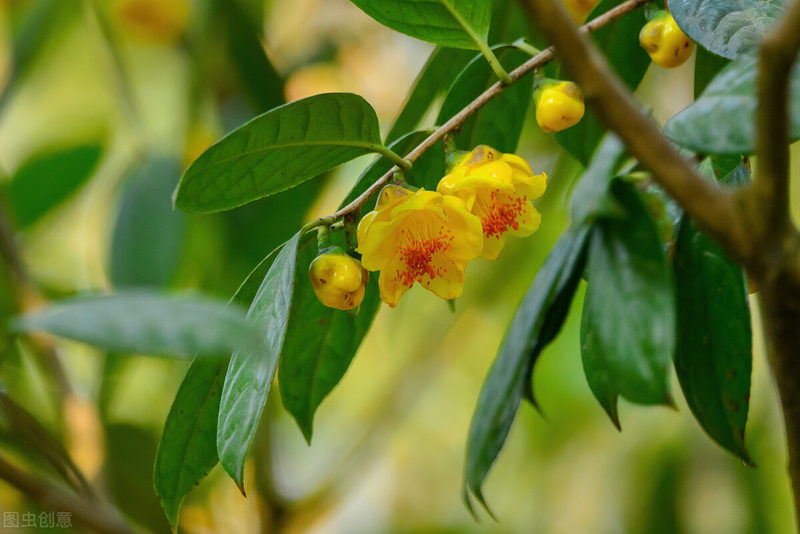
Tea
On 15 march, liao namyan, deputy director of the national natural protected area management centre of the guangxi defence city, drove towards 100,000 hills along the “village through” cement road. On this trip, she travelled to the village of the bay of hua shih, in the city's defensive area, where she visited the yellow year of the great forest ranger, the golden flower tea returning plantation, to provide information and technical guidance on spring farming。
On foot, they walked to a deep mountain known as the bay hill, along a stream of water, a bird barking, and a flowering heart. This is where the wild golden tea grows。
"yo huang, this is already a seed of red-stained disease, depending on the extent of the disease, cutting or taking medicine." liao namyan said. A few decades ago, the bay mountain was full of wild gold tea, which the village people called “cow-weed grass”, and the sick cattle of the village ran to the mountains to eat wild gold tea, and some of them would have been ill. The old chinese doctor told huang's father that gold tea was thermally detoxified and that it was of great economic value to grow artificially as herbal medicine. Since then, more than a dozen brothers and three brothers of the huang family have been growing gold tea, which is now thousands of acres in size, and has opened the golden flower tea industries company, with millions of dollars in revenue each year at a good time。
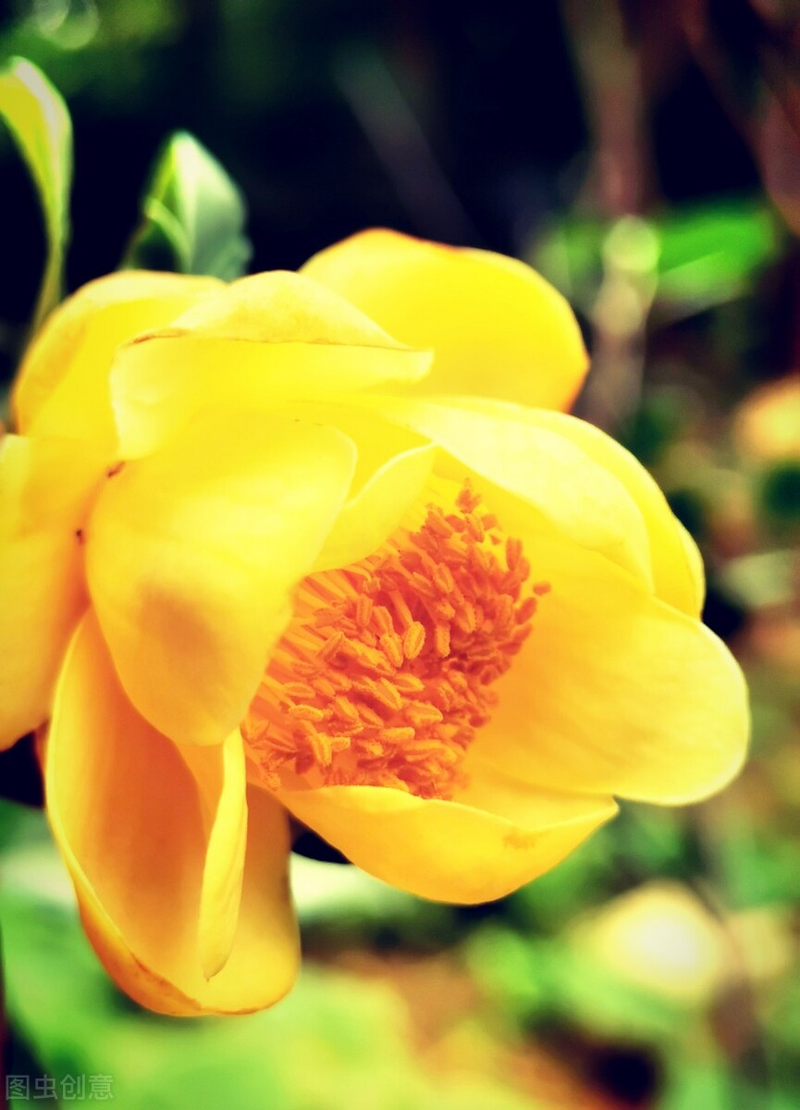
Tea
"look, director liao, this is the flower we picked during the spring festival, and the harvest looks good." in the yellow year, the company's freezer was opened, and a bag of fine, fine, tiring, frozen gold tea was shown in the curtains. The yellow year is described, and the flowers recovered pass through processes such as freezing, vacuuming, drying, etc., and are available for approximately 21 hours. Although affected by the epidemic, the tea industry is not as popular as it used to be, brothers can earn nearly $200,000 a year by selling flowers, processing and beekeeping under the forest。
Read the scriptures and play the eco-cards, and the tea of gold turns into the treasures of gold. According to statistics from the authorities, as of 2021, 59,000 acres of tea were grown in the city's protected areas alone, producing approximately 150 tons of fresh flowers per year, 600 tons of fresh leaves, 200,000 seedlings and 200 million yuan。
Discrepancies allow farmers to hold on to the ecological bowl
"do you think he's all right?" on 15 march, secretary guo jin song, first secretary of the luxuan luo-mong village, kim su-chou autonomous district of the city of penn, arrived at the village of luoxiang, a nursery for the poor family in zhang xiilang, to prepare the farmers for the production of spring tillage, such as eight corners of constriction and low-yield rehabilitation。
In recent years, in order to enable villagers to “feed from the mountains” and to build on their ecological endowments to lift themselves out of poverty and wealth, party committees, government and village-based teams at all levels have been active in promoting the project of a model industrial base of 10,000 acres in the luggage village, which is being driven by radiation and has given rise to enthusiasm among farmers。
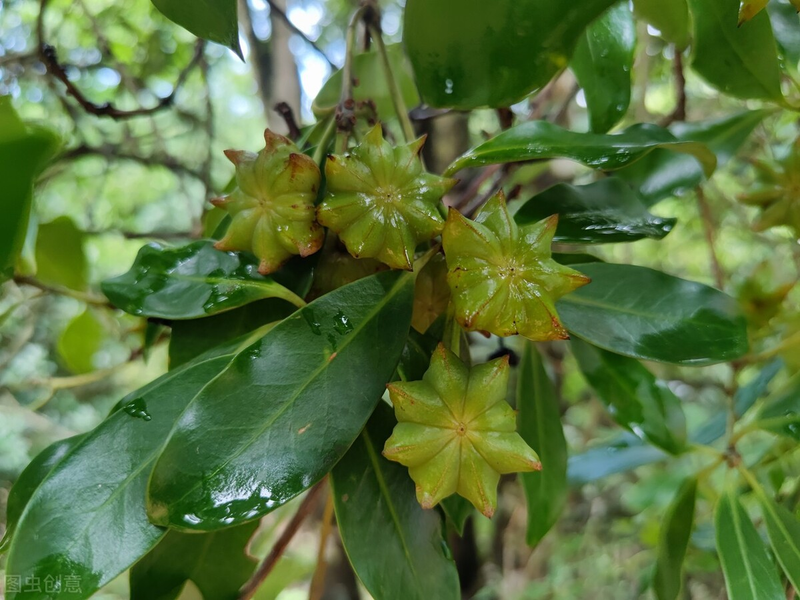
Octopus
Zhang xie liang seized the opportunity to grow 45,000 seedlings at her family's eight-point seedling base and is now well advanced. He has sold 15,000 of them with the help of village cadres and earned more than 40,000. He said, "the remaining 30,000 will be sold next year and the revenue is expected to double."
Kim su, with guangxi's largest water forest reserves, is an important source of water for the pearl river basin. On 8 march 2011, kim su established ecological districts through an ecological conservation and construction master plan, implemented a “differentiated appraisal” that did not use GDP growth and industrial development as indicators, established ecological appraisal indicators, built on unique ecological advantages and developed a ecological tourism-based industrial chain with agricultural, forestry, pastoral, secondary, fisheries and ecological industries as its two wings。
After many years of effort, kim soo has made full-scale economic and social progress through the creation of a practical and innovative base for the “green water and green mountain is the silver hills”, china's county-wide tourism development potential, china's most american territory and guangxi's high-quality development progress county. In 2021, the per capita disposable income of the residents of the county was $22,936, an increase of 8. 3 per cent over the same period。
Development of eco-specific industries to be rich and poor
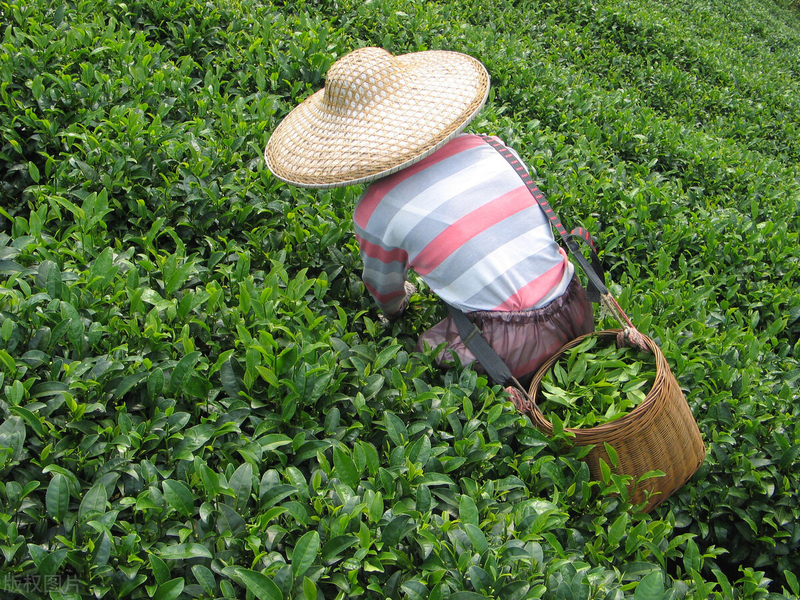
After the spring, tea trees at tea bases in lingshan county, chinzhou, began to spit fresh fresh sprouts, and when the farmers seized the farmers, the tea was taken back to the tea garden to pick up the sprouts of the year. In hundreds of acres of tea gardens, lacquered “tips” are gorgeous and entangled, green tea sprouts, and tea fragrances。
In the town of pingnam, lingshan county, a tea farmer, li xue, said: “the old village of pingnam has few people to grow tea and now 90 per cent of the population is growing tea. I joined the cooperative in 2009 and now is both a member of the club and the head of the tea acquisition point in the village of gudrun, which can buy more than 1,000 kilograms of tea a day. In 2021, the purchase price of tea was $8-12 per kilogram, and i earned $160,000 in net income throughout the year.”
Teahouse
Ringshan is the “gang of tea” in china and the country's top 10 eco-producing tea counties, with tea growing for more than 500 years. Over the years, the lingshan county council and the county government have adopted tea production as a niche industry for farmers to grow wealth, and the tea industry has become one of the top 10 niche industries of the county's “specialty agriculture promotion project” and has taken a prominent place in the development of the county economy。
At present, 7. 15 million acres of tea are grown throughout the county (of which 13. 1 million acres are designated as agricultural land without harm, 324 acres are identified as organic land and 10 are awarded certification as agricultural land). This is the sixth place in guangxi and is expected to produce 13. 9 million tons of tea this year, with a total value of $614 million。
Industry is strong, development is steady and farmers are rich. The average per capita increase in disposable income in guangxi rural areas in 2020 and 2021 was 9. 4 per cent, the fourth highest in the country. Eco-guangxi is moving towards eco-richness, and an increasing number of young people are returning to start their own businesses and are actively exploring diversified paths for rural renewal。



