In the middle ages of europe, the power of religious power far exceeded that of ancient chinese religious power, especially the influence of churches. Compared to the preponderance of buddhism in china’s north-south dynasty, even though the buddhist temples in the south dynasty were large and buddhists were free of all taxes, even buddhist forces were difficult to counter before the emperor. After all, the emperor is the supreme。
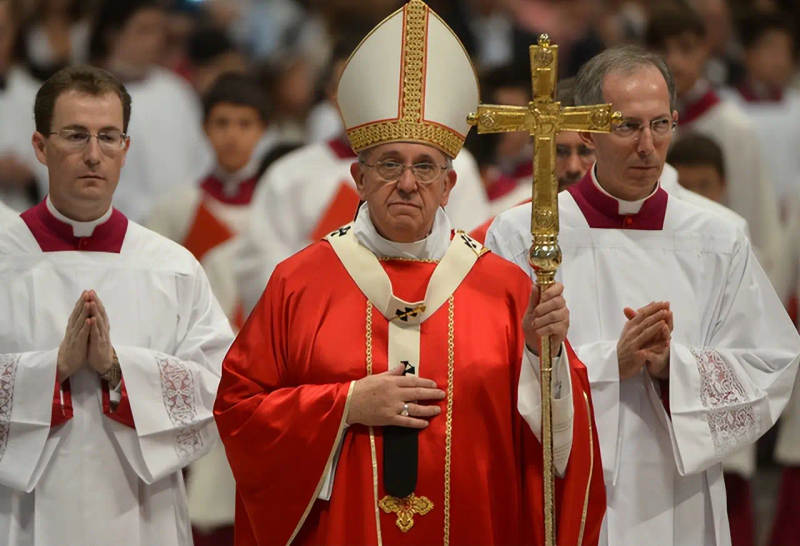
But the situation in europe is completely different. In medieval europe, the church controls the life of almost every believer, the supremacy of the divine power, the pope's power, and even the abolition of the throne of the king. Instead of paying taxes, churches have the power to tax. Nothing is better known than “one tax”。
The so-called “she tax” is one tenth of the income collected by the followers. Whether they grow food, vegetables, livestock or even wine, the church can demand that the faithful hand over one tenth. Moreover, the church has provided a very “reasonable” explanation for this: according to the bible, one tenth of the agricultural products belong to god. That sounds logical, so if my wheat is made of flour and bread, it's no longer agricultural, why should it be tax-free? However, the church does not think so。
The church explained that flour was used to grind water and windmills, all of which were created by god. Therefore, believers, using these resources, are supposed to hand over a portion of the harvest to god, and the church represents god. In this way, the church has included almost all productive activities in the taxation。
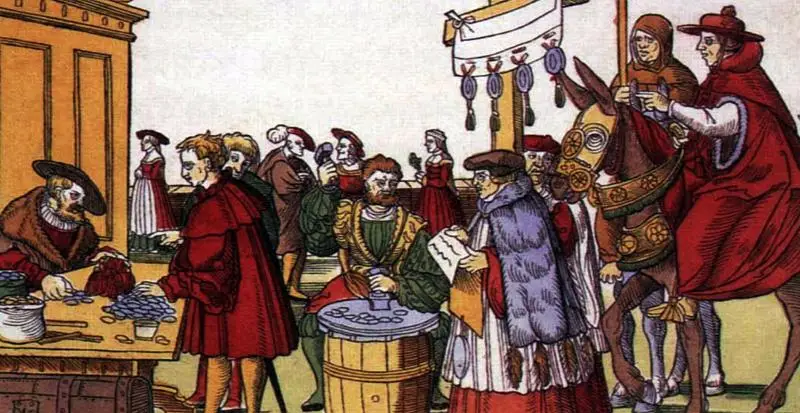
This way of collecting taxes, in today's view, is a dead end. You work hard to cultivate and harvest, but you give one tenth of the harvest to the church. Moreover, the church's rationale is “god means”. Many people are naturally dissatisfied with this practice and wonder if they would be exempt from this tax if they did not believe in religion. Or a little less income and less taxes? But the church's response is not friendly. If believers dare to challenge, they may be expelled from the church, but the consequences of being expelled from the church are severe。
In the middle ages, the power of the church was not only reflected in taxation but also affected the social status and property of people. If a person is expelled from the church, his social status will be significantly reduced and even his property may be confiscated. Thus, in the face of this choice, the majority of the population had to choose to endure and pay taxes on time。
There are, of course, some strong opponents, such as the katrina faction. They were not in line with the catholic faith, opposed to paying taxes and were subjected to brutal repression as a result. The church had launched a bloody crusade campaign, killing a large number of members of the katri faction, who had escaped and would be burned alive。
Some may feel that the 10 per cent rate does not seem to be high. After all, ancient tax systems are often harsh, and the consequences for tax evaders are even worse. But this tax is still incomprehensible today. Because these taxes are supposed to be used in the public interest, such as the construction of schools, military forces and infrastructure, while the taxes collected by the church are nominally “for god” and ultimately not for the welfare of believers. The taxes given to the church by the believers are nothing but the money burned。

At the outset, the “one-thirty tax” was only one tenth, and many believers felt that the tax rate was reasonable and reluctant to accept it. Over time, however, the church has begun to gradually raise tax rates, even with one quarter or higher of direct demands from bishops. Moreover, the church encourages believers to donate more, even if some are willing to give everything, on the grounds that “you pay much, and you pay much in heaven”。

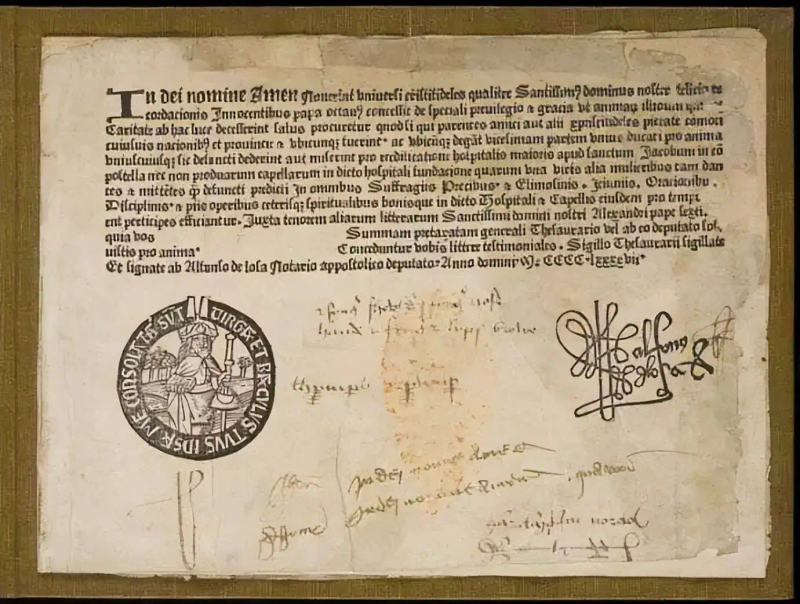
But the greed of the church is not over. In order to raise enormous funds for the crusades, the church has introduced a system of “foreclosure”. As long as they buy atonements, believers are free of all crimes, even the crusades' slaughtering of cities. This practice was very prevalent in the society at the time, where the church gained enormous wealth。
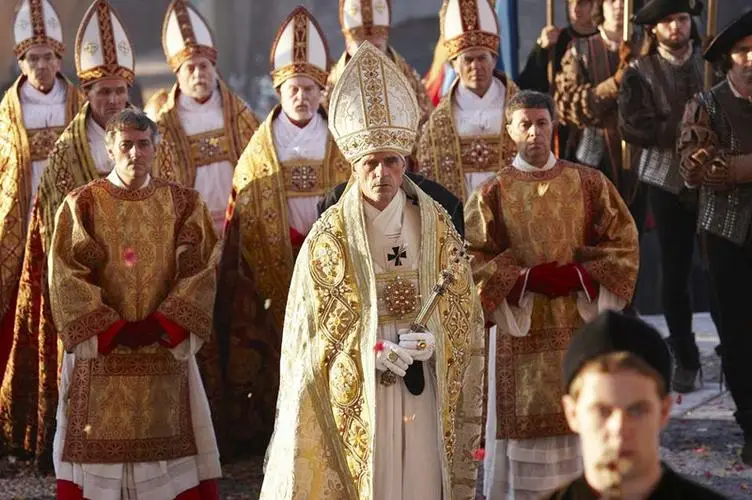
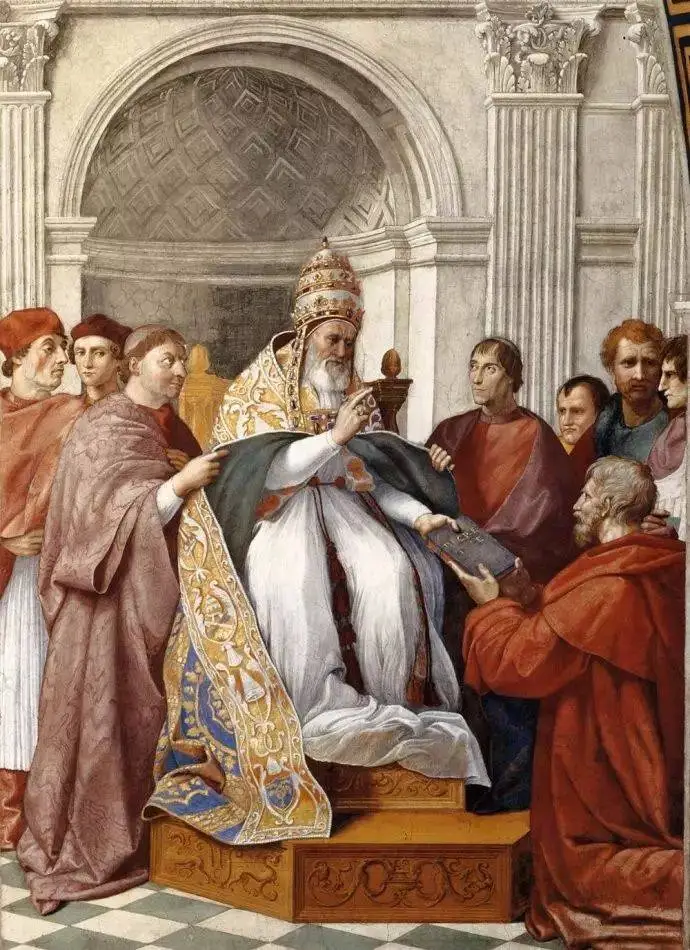
However, despite the enormous wealth accumulated by the church, the luxury of life remains unfulfilled. A pope, leo x, from the medici family in florence, italy, immediately began to squander and quickly depleted the wealth left by his predecessor. In order to fill the gap, he has taken steps to sell the post of bishop and further expand the sale of atonements, even by setting up different levels of prices based on the face value of the atonement, ranging from silver to gold to diamonds, which are charged according to the gravity of the crime. This act, which appears to be self-taught, is in fact a modern form of price discrimination。

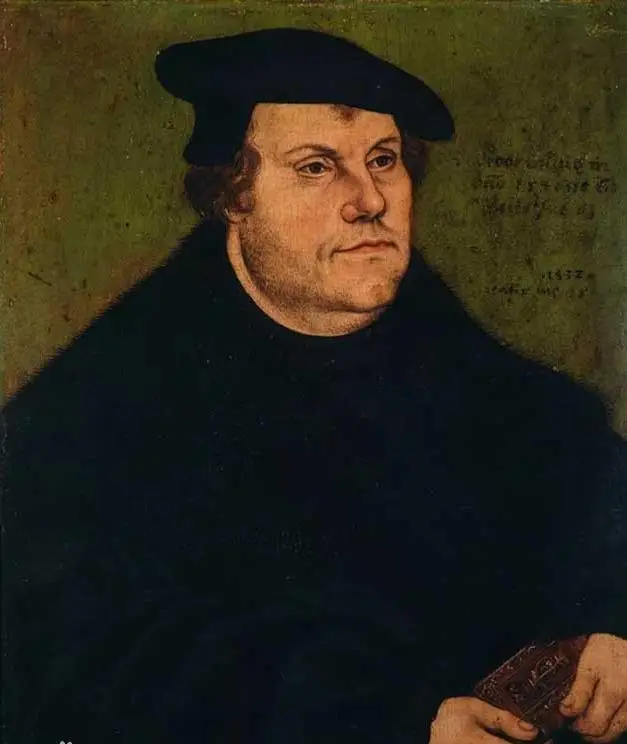
Although the wealth of the church is growing, not all people are silent. Martin luther, as leader of religious reform, openly opposed the atonement vouchers and went to church with them to demonstrate, eventually triggering a massive religious rebellion. A growing number of believers have chosen to leave catholicism and established protestantism。
How long will these taxes last? You may find it surprising that this religious tax still exists. In germany, for example, believers pay an annual religious tax of 9 per cent, which is a significant amount for ordinary believers who earn $4,500 per month. Other european countries have similar provisions. The difference is that today's religious tax is collected by the government and transferred to the church. For those who do not believe, the refusal to pay taxes does not seem to have any direct consequences, at best not being able to hold a wedding or funeral in a church. For religious believers, however, the inability to perform weddings, baptisms or funerals in churches means social exclusion and shame。
For example, in 2010, ms. Lefie, in the city of cologne, germany, had been able to resolve the problem because her son, campbell, had quietly changed to an atheist, preventing his son's marriage from taking place in church, and ultimately lefie had contributed almost all of his savings to the church。
Whether historical or modern, religious taxes, the system continues to exist in some countries, demonstrating the deep ties between religion and society and the profound influence of churches on the lives of believers。