I hear it'll be fun to focus on the soul
When it comes to invasive plants, many plant lovers are both loving and hateful — unlike the aggressors of war, they are simply unconscious and forced to settle in new lands in order to survive。
Moreover, many of the invasive plants that were invited into their new homes on the initiative of humans because of their “beauty” (e. G., the euphemisms of the previous editions of ii, the superbly-golden sister, the "founded golden dragon" ), were then left unmanageable and even abandoned, making them a serious ecological destroyer。
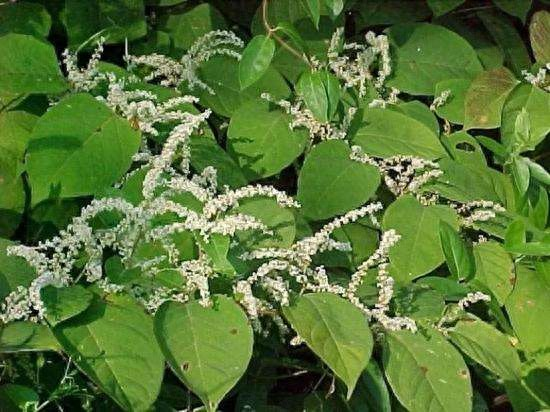
The same is true of the globally known "demons invade plants" — the japanese tiger rods that we are talking about today。
In around 1840, at the horticultural fair in utrecht, the netherlands, a beautiful and rare plant, called the japanese tiger cane (fallopia japan), was introduced by the local doctor, dr. Philipp siebold。

The face of the japanese tiger cane is particularly high, and it tastes very good to europeans: pink troughs, green leaves of the heart, and white flow sews, which look very fresh。
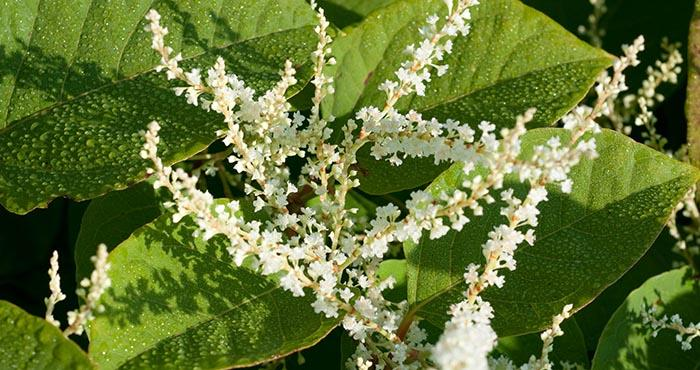
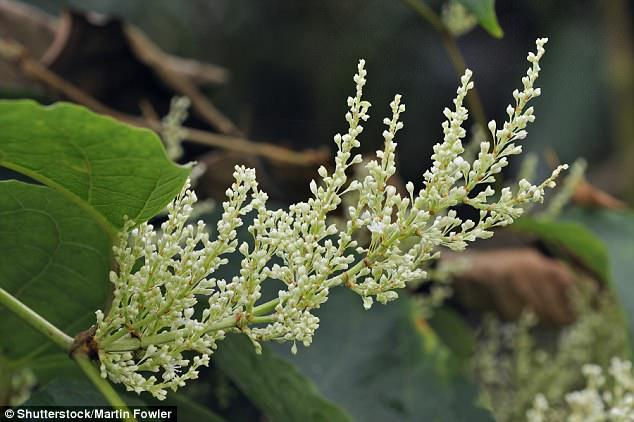
The value of the japanese tiger cane is such that the british, who love gardening and philatelic plants, naturally will not let go of it. In 1850, an englishman finally brought it to england as he wished, but it was not thought that a terrible nightmare of species invasion would follow。
After england, the japanese tiger cane began to spread as rapidly as an infectious disease. It only takes a month to grow up to 1 metre, up to 3 metres, and their horrors are not large and thick..

Isn't this beautiful? Seeing down there, you'll see the price of beauty
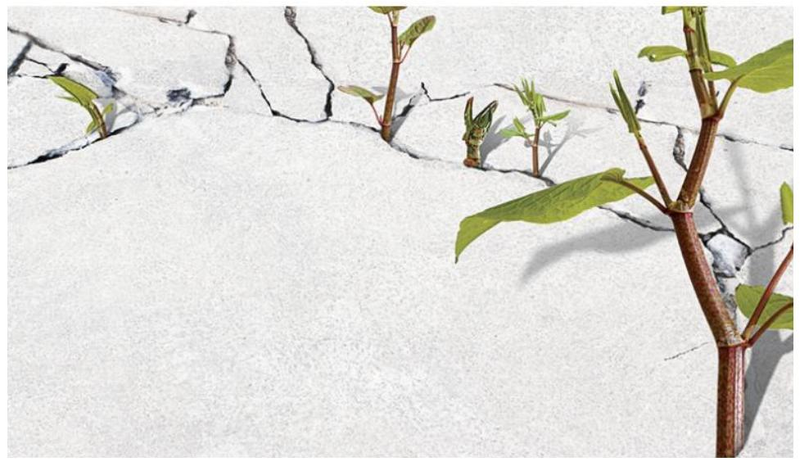
Today, what is the most dangerous invasive plant -- the japanese tiger's cane -- that must be the one with the highest number of votes? Because, as the world's most notorious invasive plant, it's strong enough to get through walls, to get out of the tarp, to be the strongest plant monster on the ground
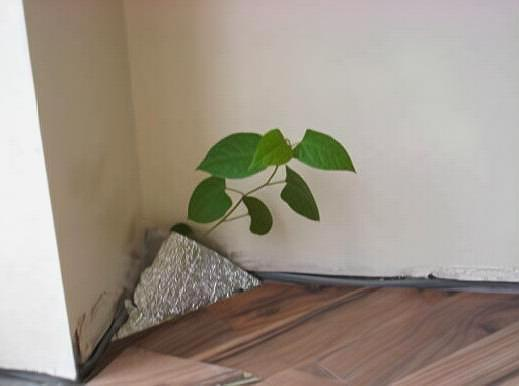
Yeah, don't look at it like it's a soft, soft little thing. That's the floor

The floor can be drilled, and the walls are smaller case-- especially the centuries-old houses in england and france in europe
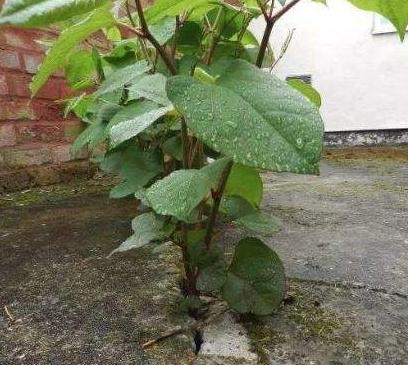
Unlike many plants, the japanese tiger cane is so stylish that it is almost unrequited about living in a living environment, and it's ok in the wild, and it's okay if it grows only in the wild — it's true that it doesn't give up the dirty human world, and if the house is seen by it for a long time, the value of the house will naturally be compromised because it's best at breaking through walls, destroying the foundations, and turning your mansion into a dangerous building。

I can't cry
And it's extremely productive, even if you pull it out, and as long as there's a twilight of roots in the earth, it will grow slowly, continue to grow, and drill out of the ground — a new, green-eyed tiger's staff is born again. Worse still, the roots of a japanese tiger's staff are as deep as a few metres, and the roots can cover dozens of square metres。

British botanical scientists have done dna research on the japanese tiger cane, comparing more than 150 samples from all over the united kingdom, and the incredible conclusion is that the japanese tiger cane, which is now proliferating in the united kingdom — originally from the same parent — was taken back to the united kingdom in 1850。

The british, deceived by the new look of the japanese tiger cane, are now investing a lot of human and material resources every year to clean up this kind of "kind flower," even though many properties have been devalued over the years. In many parts of the world, there are even news that the owner was driven crazy to commit suicide because his house was damaged by the japanese tiger rod。

I haven't been home in a year. I can't get in
Perhaps you wonder why the japanese cane is so alive and destructive? Why, in china, do we hear little about this invasive plant
Actually, the japanese tiger cane is a poor baby。
It is home to some of japan's volcanic regions, and the soil is barren and even stone, so they have evolved into a super-violable monster-like survival. - first of all, the developed roots and super-emergence, whether there's a sewn brick wall or an open tar road - nothing will stop it from pursuing sunlight
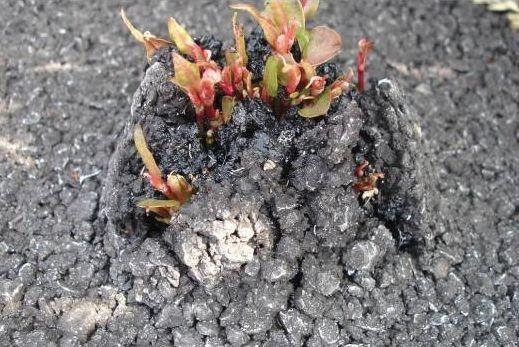
I'll create it without stitches
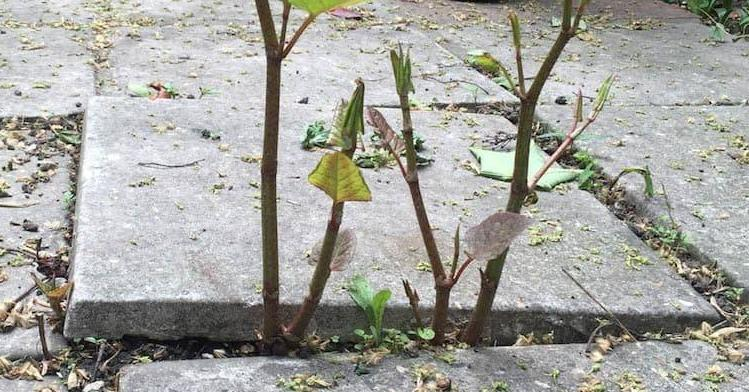
The japanese cane is actually a super-healing plant
And in my country, it's also true that there's a tiger cane -- the japanese cane is one of three species, and the name of our cane is "the tiger cane."It's not the same thing as a japanese tiger cane。
Of course, it's not the reason why the japanese tiger cane is not infested in our country. – we are also divided into japanese tiger rods, and japan is also divided into tiger rods, and, as close sisters of the same kind, they are more or less alive。

The japanese tiger cane has never raised a single wave in japan and my country because of its natural enemies in the growing environment, such as lice and fungi。
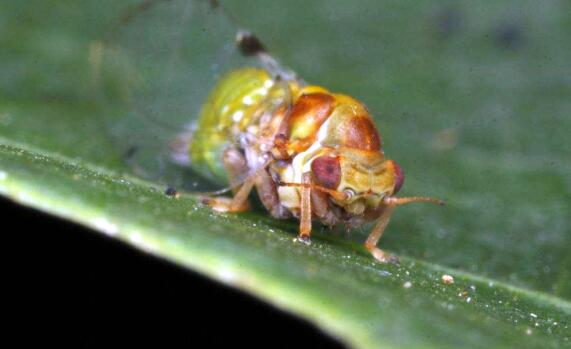
With their help, the number and level of growth of japanese tiger rods can be controlled by a “natural balance” because of the fact that japanese tiger rods are well developed and their branches are naturally more juicy and juicy. - you see, pests are defined by humans according to their own interests, and in many cases they are not scientific at all。
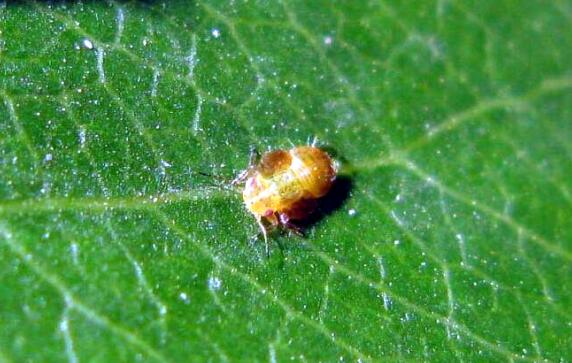
Perhaps you're curious again, why don't countries like britain bring in these natural enemies against the japanese tiger stick
It may indeed be a “water-and-land-plant insects”, although a small number of licensed species, such as japanese tiger rods, are growing well in the new environment and many species, such as wood lice, have been introduced in the united kingdom in 2003 to control japanese tiger rods, which are popular in wales and england, but they appear to be “water-and-land-incompetence” and are still undergoing long periods of environmental adaptation, and the cost of biological control is high — up to $2,344 million。
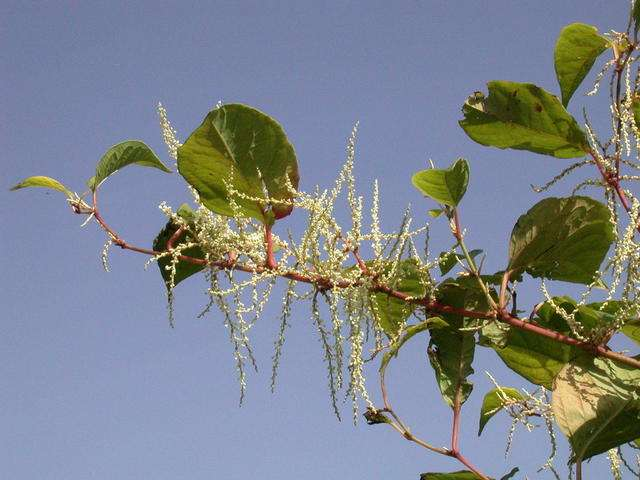
The beautiful japanese tiger rods have become the next biggest problem in britain, causing hundreds of millions of dollars of damage each year, and scientists’ research has so far failed to break the japanese tiger rods’ designs。
And not only are there no predators, there are no predators, there are no predators, but the climate in england and elsewhere is perfect for the rods of japan. The child probably never thought that in tens of thousands of years, he would finally have a good day to eat, drink and not be cold。
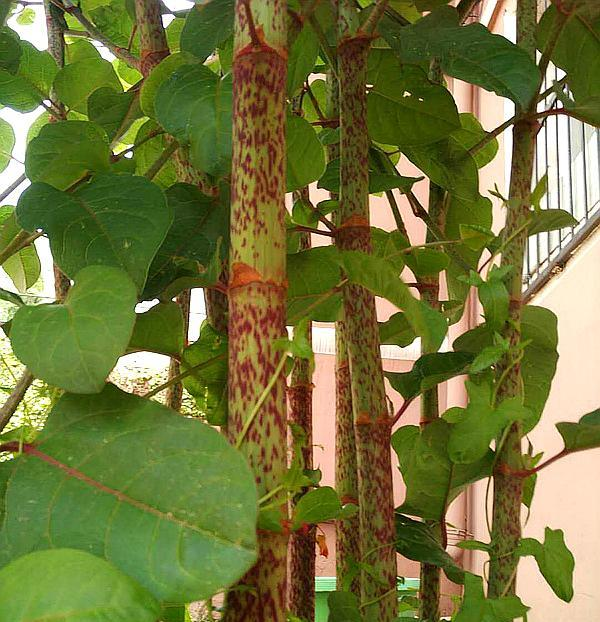
And, of course, it's not just the "pest" is not necessarily the "pest" or the "facility" is not necessarily the "facility" -- the japanese tiger cane is actually delicious, but it's also very medicinal。
As herbal medicine, like the tiger's staff, the japanese scepter is considered to have the effect of active blood, bruising, passing through, concretizing cough, etc., and its plumbs are a uniquely fragrance, tastes like sour yellow, tastes like calf, can be eaten with fire, pickle, make vegetable sauce, and even make desserts and drinks。
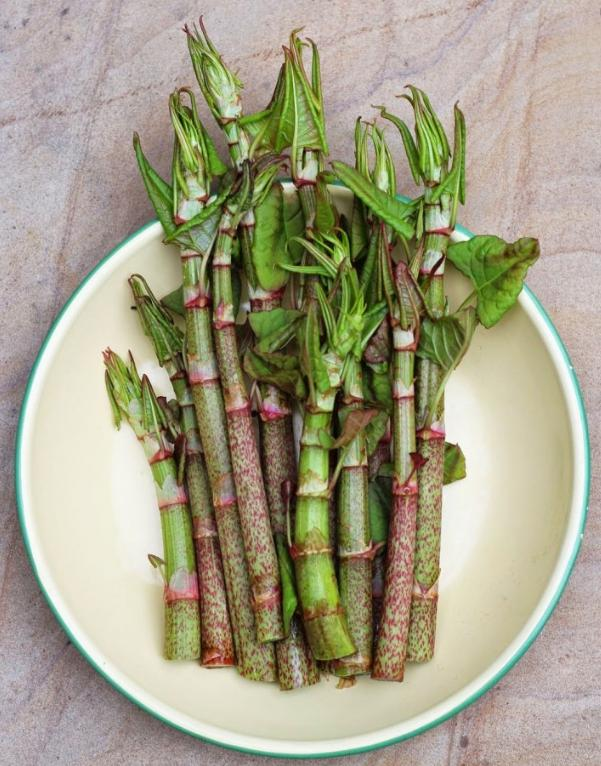


Well, isn't that amazing? And even though it's an invasive plant, the japanese tiger cane really gives us a lot of inspiration, for example:
The so-called "humans must not be presented" and the plants must not be presented; "no one can be underestimated" or "a small plant with flowers"; "the heart of a plant must be seen as indispensable,” and "the irresponsible introduction of a species must be considered; the lovely little baby of another's family may be the devil in his home

Anyway, let's remember this "most inspiring" plant monster on the surface