Ziru's evening paper, ziru
In recent years, with the advancement of the “two-carbon” goal and the deepening of the concept of green mobility, new energy vehicles have entered thousands of homes in the spring. Behind this “electric surge”, a small but growing problem surfaced — the “challenge” of charging. At different times and locations, charging prices varied greatly, and the owners had to become “electronic-price detectives”, which were fine-tuned. So, is it cheaper to choose a new energy car or less money
Fuel owner: one key to fuel, not cheap
"i've been driving a gas truck for 10 years, and the gas never takes time." master li, who works at the gas station, refuels an old man, pasat, laughing and saying, "in the morning and evening, the price is the same. Filled with a tank of oil, running 600 or 700 kilometers, in your heart." he stated that, although oil price volatility was a headache, the refuelling process was simple and straightforward and did not have to wait, let alone count the price of the peak valley electricity。
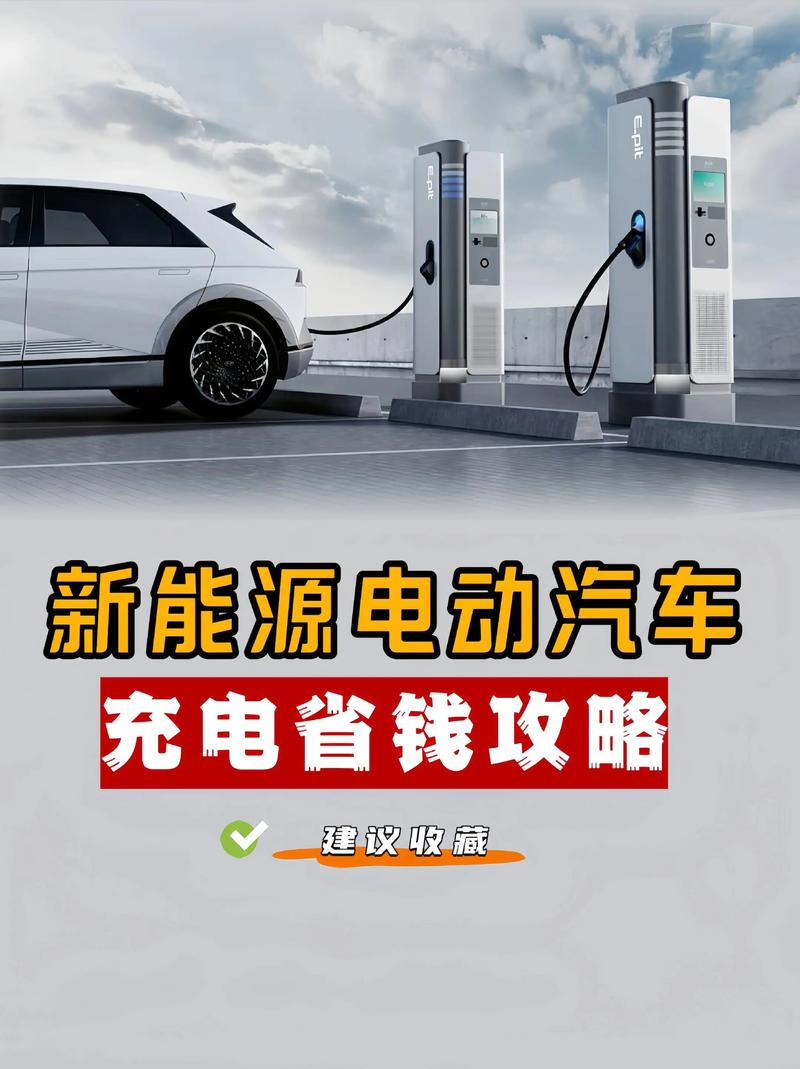
“it was a pain in the ass when no. 95 went up to more than $8 and 500 in a tank.” master li exclaimed, "but it's more expensive and less expensive than charging daily. My son bought a tram every day, looking at the ap price, saying i had to get up in the middle of the night and charge 30 cents after midnight.”
New energy owners: saving money is real, and worrying is real
Mr. Zhang, who lives in jenangau, is the owner of the first “smoking” new energy vehicles. He drives a state-owned pure suv, travelling over 20,000 kilometres a year. “the cost of electricity is less than 3,000 a year and the cost of oil is 20,000 starters.” mr. Zhang made a debt and was proud of his tone。
But when it comes to charging experiences, he wrinkles his head: " cheap is cheap, but too much." small areas are often occupied by fuel trucks and public stakes are expensive. I downloaded five charging apps, which are priced at night before sleeping. On one occasion, in order to save five dollars, he went 10 kilometers around tang yullurgical to recharging and waited 40 minutes in line.”
He opened his cell phone and showed a charge recorder showing a price of $0. 68/degree at 1:15 a. M. And up to $1. 5/degree at 10 a. M. At the same location. "the difference's almost double! Can't you do it better?"

Head of the charging plant: floating electricity prices are a necessity for market regulation
In a large charging station in south chinan, ms. Wang, the director, told journalists that the price volatility of charging was due to the “peak time” policy and market supply and demand for electricity. "we use the `basic electricity plus service fee' model. The electricity grid is high at peak hours, and we charge high prices; it's low at night, cheap, and the charging station is reduced accordingly.”
She pointed to a line of vehicles that were charging, and she said, "you see, there's a lot of cars after 10:00 p. M., and everybody's here to pick it up. But we also have to balance operating costs — maintenance of equipment, rental of premises, labour, what is not for money? We can't afford to keep it low all day."
Ms. Wang stated that there were still problems of “unequal layout, inconsistent standards and non-transparent information” in the charging infrastructure. “some of the drivers complain about the price, because they don't use the app, or they don't pick the right time. We're also promoting the smart recommendation function, which automatically recommends the most favourable charging options according to the location and itinerary of the vehicle.”
Save your heart or save your money? The answer is between balance and balance

So, did the new energy car save your heart or your money? In economic terms, new energy cars are undoubtedly more powerful. On the basis of 20,000 kilometres per year, the cost of fuel trucks is approximately $18,000 to $25,000, while the cost of electric vehicles is only $2,000 to $4,000, saving as much as $10,000. In addition, the maintenance of electric vehicles is simple, the inorganic oil and the trifilter is replaced, and the average annual maintenance cost is less than one third of the fuel vehicles。
However, from experience of use, fuel trucks still have an advantage in terms of “i. E., on-and-off and on-going”. New energy drivers, on the other hand, have to face “new types of anxiety” such as long charging times, uneven distribution of chargers and volatile electricity prices。
However, this “problem” is being gradually overcome by technology and policy. An increasing number of sub-regions have been charged with stakes, and the state has promoted the construction of a “charging one-net” platform, with smart navigation showing power prices and empty stakes in real time, and even with the introduction of “replacement” models by some companies, reducing the charge time to a few minutes。
Perhaps the “challenges” of a new energy car are the pains of a green transition. It tests our patience and forces the upgrading of infrastructure. Saving money is a reality, it's a process, it's a process, it's a journey. In the future, when charging is as easy as refuelling, when electricity prices are more transparent and services more intelligent, new energy vehicles are truly cost-effective and less costly。