


Now, when it comes to drones, it is believed that the first image that comes out of your mind must be the shape of a quadrilateral, as if all drones in the world were not able to escape the shadow of the quadrilateral. But is it true that drones can only count on four wings
In recent days, foreign sources have reported that researchers in the united states have created an unmanned aerial vehicle with a single rotor, which uses asymmetric design and, more importantly, a single propeller for the entire drone。
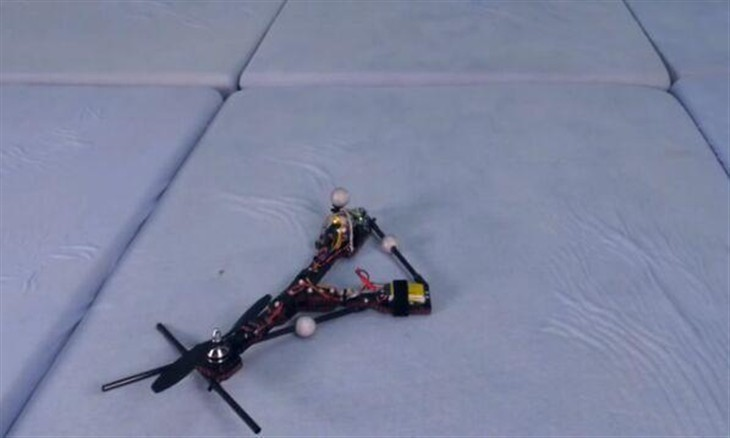
When you look at this drone, you may think it's not much higher than a toy, at most the level of a remote flightless toy that is visible everywhere in china and north, but the single-wing drone actually has a very high technical content that allows time to receive people's remote control in the air。
This drone is known as a single-channel rotary-wing vehicle, which was invented a few months ago. The drone had only one moving component - a propeller, no wings, no chains, no wings, even other agitators and no controls, and the entire vehicle was controlled by a simple propeller. Although it is mechanically simple, its electronic brain is very well developed and sufficiently sophisticated to allow it to fly at will in a stable manner in the air。
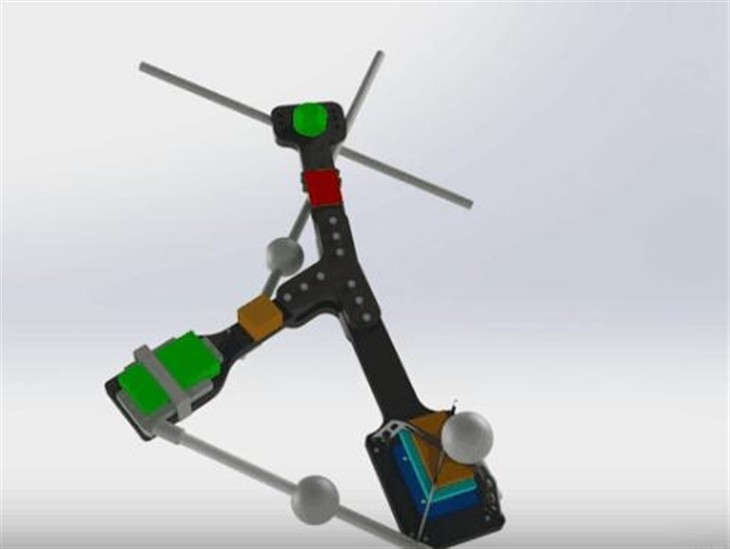
You don't think it's the same thing as a rotary-wing helicopter
Big difference。
In the field of drones, the most common vehicles are usually divided into fixed-wing, helicopter and multi-rotored (with four axes in the multi-rotored wing), which transforms the multi-rotored wing into a single-wing one, which is still very different from helicopters。
Indeed, a few years ago, helicopters and fixed wings were the masters of the drone sector, and there was nothing about multiple rotary wings. However, this situation was broken in previous years with the launch of the phantom quadrilateral plane, the elf of dji. As phantom has significantly reduced the difficulty and cost of aerial shooting, it has become the most popular product to date. In a short period of two years, the creativity surrounding multi-wing vehicle-related ideas, technology, for a single time as if all drones had become one。
In addition to the relatively low cost of operating the multiple rotary-wings, the main reason for their success is their high mechanical reliability, which is one of the most important differences between the multiple rotary-wing and the helicopter。
Compared to multiple-wing drones, helicopters require a mechanical connection of thousands of activities, wear and tear during flight, leading to a decrease in reliability, the higher cost of screening for these destabilizing factors, not to mention possible human harm. There are no active parts on the multiple rotary wings, and its reliability depends largely on the reliability of the unwieldy machine and is therefore high. Let's look at the comparison of the mechanical structures of the helicopters and the multiple-wing drones。
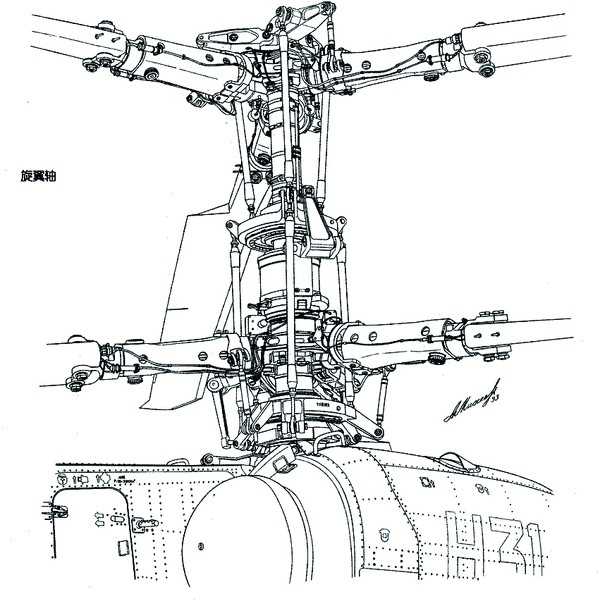
Helicopter mechanical structure
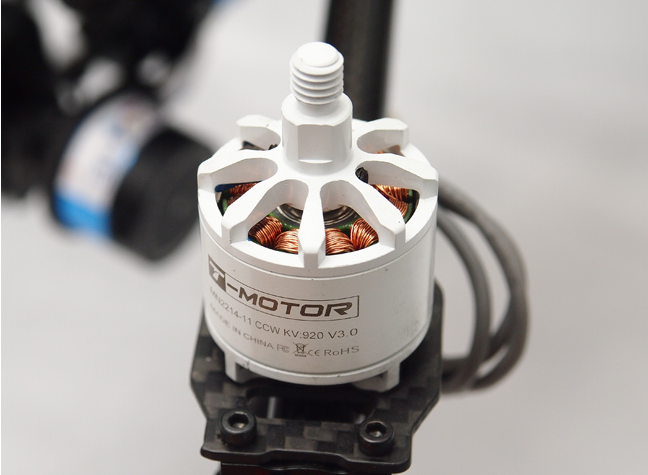
Multiple-wing uav axis body
It is clear that the helicopter structure is much more capable and complex than multi-wing drones。
In addition, helicopters usually require tail oars and a pair of rotors in the opposite direction to maintain the balance in flight, while a single-wing drone requires only a rotary wing and uses asymmetric and unbalanced body design to maintain flight and controlability。
Indeed, several decades ago, only two sports parts — rotor oars and tail rudders — were among the remotely operated vehicles operated by skilled pilots. This "single-channel rotor" proves that a rpv only needs a motor component。
However, this “single-channel rotary vehicle” is too simple to calculate a state of procedure as compared to helicopters and four-axis drones, i. E. It has to be released in the right way to get him up, so its chances of successful flight are also considered to be highly skilled. In addition, it has a relatively weak degree of flexibility in its manipulation, as he is unable to perform tasks such as aerial photography because of the need for constant rotation when he flies。
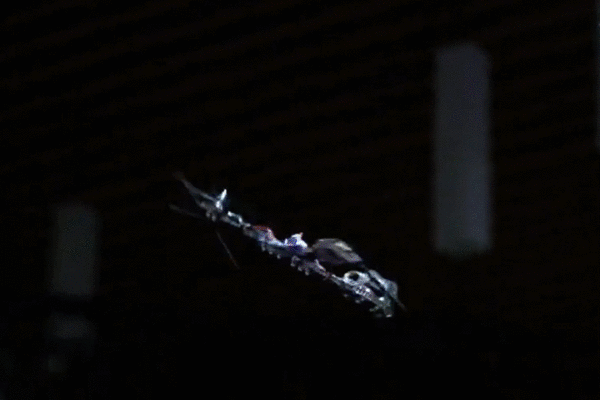
Until now, it has not been known where this single-axis drone can be used, but it has only proved that it can also fly remotely。



