


In the area of construction, concrete has received considerable attention because of its extensive applications. Its quality is directly related to the safety and stability of the overall structure and is an integral part of the project. However, the problem of cracking concrete during the construction process has occasionally affected not only the quality of the work, but also the potential for serious safety incidents. It was therefore particularly important to study in depth the causes of concrete fragmentation and to explore effective measures to combat it. The purpose of this paper is to provide a comprehensive analysis of the multiple causes of concrete cracking in the course of the construction work and, on that basis, to propose a methodology for dealing with them, with a view to providing useful references and lessons for the relevant units and departments。
Element of concrete cracks
1. 1 material factors
During the construction work, concrete cracks were formed closely linked to material factors. Improper concrete matching designs, such as uneven use of cement and bone, can lead to insufficient or excessive concrete intensity and thus to fragmentation. In addition, the use of raw materials that do not meet design requirements can damage the strength and durability of concrete, resulting in cracks。
1. 2 environmental factors
In construction work, environmental factors have had a significant impact on concrete cracks. High temperatures and uneven heat contraction in concrete conservation can lead to concrete fragmentation. At the same time, inadequate humidity control or too high a dry rate at the construction site could trigger the rapid drying and contraction of concrete, leading to cracks。
1. 3 technical factors
In the concrete-planting process, the uneven or late operation of the vibration leads to the formation of holes inside the concrete, which in turn leads to fragmentation problems. In addition, the stress generated by concrete during drying out would not be fully released without the installation of swelling stitches, thus creating internal stress that would eventually lead to fragmentation。
1. 4 management factors
During the construction process, the management factors at the construction site have a critical impact on the quality of concrete. If managers lack control over concrete construction, problems such as material failure, inappropriate crushing and water seepage can directly affect the quality of concrete and further increase its risk of fragmentation. At the same time, environmental conditions at the construction site, such as the level of drying, can have a significant impact on the quality of concrete。
Concrete crack governance measures
2. 1 measures for material optimization
Fracking concrete is a common problem during construction work. To effectively address this problem, we need a strategy of material optimization. First, the option is to use high-resilience concrete, which can increase its tensile strength and thus reduce the probability of cracking. Second, the incorporation of appropriate fibres into concrete, such as fibreglass or carbon fibres, enhances resilience and enhances resilience to fragmentation. In addition, rationalization of the concrete ratio to ensure its mobility and evenness is an important means of reducing fragmentation。
2. 2 construction process control measures
Fragmentation of concrete is an essential component of construction work. In order to prevent concrete break-ups effectively, we need to implement a range of construction process controls. These measures include the use of reasonable methods of irrigation, such as sub- and layering, to spread the temperature and contraction of concrete. The temperature cracks resulting from overheating, overspeeding or overcooling of concrete are prevented through reasonable temperature control measures. In addition, adequate wet conservation of irrigated concrete is undertaken in order to maintain an appropriate moist environment, thereby increasing its early intensity and durability and further reducing the risk of fragmentation。
2. 3 cracker repair measures
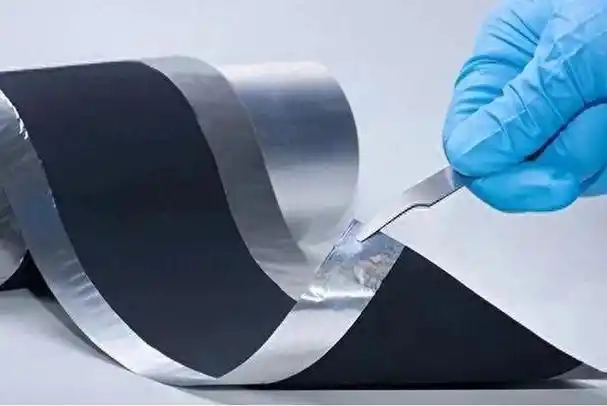
The methods of crack repair are varied and can be divided into the following: the first is the injection of slurries, which enhance the overall strength and durability of concrete by filling and closing the cracks with restorations such as organic silicon, high molecules or cement sand around the cracks. The second is a legal restoration that binds materials such as polymer fibre sheet, carbon fibre sheet, etc. Put it on the crack surface and fill it with ad hoc glue or plasma, thereby achieving an effective enhancement of the fracture area. In addition, there is a hydrophobic patchwork that embeds steel bars into cracks and restores them using hydrophobic connections to increase their carrying capacity and resilience. In addition, horizontal supplementation is a way of adding horizontal supplementation structures to the open segment so that the stress can be evenly distributed and thus avoid further spreading of the cracks。
In choosing the method of healing, the most appropriate method must be selected on the basis of the specific situation of the crack. At the same time, it is important to ensure that the remediation materials used meet the corresponding regulatory requirements. Finally, in order to ensure the effects of the restoration, the concrete should also be properly maintained after the restoration has been completed。
2. 4 preventive measures
Cracking concrete is a common problem in construction work and an effective response requires a range of preventive measures. First, the foundations need to be properly treated before the concrete is poured, such as waterproofing materials, solid mats to ensure that the foundations are secure, thus preventing cracks caused by the sinking of the foundations. Secondly, during the construction process, the sequence and process of construction should be strictly controlled in order to avoid defects such as bubbles and to ensure the accuracy and intensity of concrete. In addition, attention needs to be paid to the effects of concrete contraction and temperature changes and to reducing the risk of cracking through the use of appropriate constrictive materials and temperature control measures. Finally, upon completion of the project, regular monitoring and maintenance should be carried out to detect and repair cracks in a timely manner, thus ensuring the stability and durability of the building。
Monitoring and evaluation
3. 1 fragment detection methods
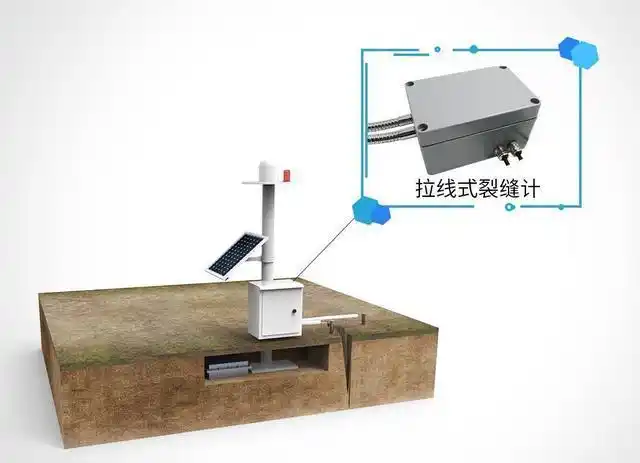
Real-time monitoring and evaluation of concrete cracks is essential during construction work. The detection methods for cracks are varied, one of which is eye observation. Through the naked eye, we can observe the length, width, direction, etc. Of the cracks directly and document them in detail. This approach is simple but applies mainly to the more obvious cracks. In the case of small cracks, eye observations may not be visible and other detection techniques are needed. The second is the instrumentation of detection, with precision detection of faults through specialized equipment, such as a crack meter and a 1,000-foot crack。
3. 2 fragment assessment criteria
In the area of construction, the monitoring and evaluation of concrete cracking is particularly important. These standards not only provide construction personnel with timely guidelines for testing and repair, but also are a cornerstone for ensuring the security and stability of buildings. The cracks are assessed primarily on the basis of several factors, such as their width, length, shape and location. At the time of the initial assessment, the width of the structure was an important consideration, which was directly related to the extent of the damage. At the same time, the length and shape of the cracks are indispensable factors in the assessment process。
3. 3 practical application of monitoring and evaluation
In the area of construction works, continuous monitoring and integrated evaluation of concrete cracking are essential, directly related to the quality and safety of the works. With modern crack detection techniques, we can track in real time the cracks generated during the construction of the project, so that the patterns of its creation and evolution can be detected in a timely manner. This information not only helps us to adapt our construction plans to the realities of the situation, but also effectively prevents security risks arising from the spreading of cracks。
Case analysis
4. 1 success stories
In a project, the issue of concrete cracks poses a serious challenge to the quality and safety of the project. The construction unit acted quickly and took a series of effective measures to address them, with notable results. First, the unit carried out a detailed examination and analysis of the cracks, which accurately determined the location, type and cause of the cracks. After in-depth investigation, concrete cracks were found mainly due to temperature contraction. The issue of concrete cracks is addressed through precise analysis and repair measures。
4. 2 cases of failure
In another construction project, the construction unit lacked an in-depth understanding of the real causes and intrinsic nature of the break-up of concrete, resulting in inappropriate handling measures. Due to improper disposal measures, crack extensions and project losses were incurred。
4. 3 case analysis and revelation
In the area of construction work, concrete cracking, if properly addressed in a timely manner, can effectively prevent security risks arising from construction and guarantee the successful completion of the project. However, as an in-depth analysis of the causes of cracks and the choice of scientific means to combat them, concrete crack control is an important and complex task。
Future directions
5. 1 exploration and application of new materials
In the area of construction work, the issue of concrete cracks remains a technical challenge. With the development of new material technologies, we have more strategies to address this challenge. For example, nanomaterials can form protective barriers on concrete surfaces, significantly increasing their anti-frust and anti-fracking properties. Nano- and high-molecular materials improve the durability and frack resistance of concrete。

5. 2 innovation and application of new technologies
As technology continues to evolve, there has been significant progress in concrete crack control. The application of sensors and smart systems for real-time monitoring of cracks, such as nanomaterial applications for concrete crack repair, allows for more effective restoration of cracks。
5. 3 the rise of intelligent management
With the rapid development of technology, intelligent management of construction has become a new norm. Smart management provides real-time monitoring and early warning functions. Through smart systems, we can track the cracking of concrete in real time。
Regulation and policy considerations
6. 1 combination of relevant policy regulations
Concrete crack management is a matter of great concern during construction work. In order to ensure the safety and quality of construction, states have developed legislation and policies to regulate the operation of concrete cracks. The regulations define the standards of crack governance and provide legal safeguards。
6. 2 promotion of policy regulations
The development and implementation of policy regulations not only provide a solid legal basis and technical support for concrete crack governance, but also promote the quality and safety of works and regulate construction behaviour。
Summary
The issue of cracking concrete can be summed up as a precaution, supplemented by repair. During the construction phase, the quality of raw materials is closely monitored to ensure the precision of matching, thus preventing fragmentation. At the same time, construction regulations should be strictly followed. The cracks that have emerged need to be addressed through a combination of repair and reinforcement to maintain the security and stability of the works. Effective monitoring and assessment of the fragmentation of concrete structures is central to ensuring the quality of work. At the same time, the emergence of new materials and technologies offers more options for concrete crack control, while the introduction of smart surveillance techniques provides more efficient solutions for precision control of cracks。



