There are two types of drawings in the spring circle: luxury shopping bags, the location of a high-end restaurant, which coexists with the “99 dollars to fix the new year's eve” “homemade annual gift pack”. This is not a preference difference, but a consumption rating supported by data。
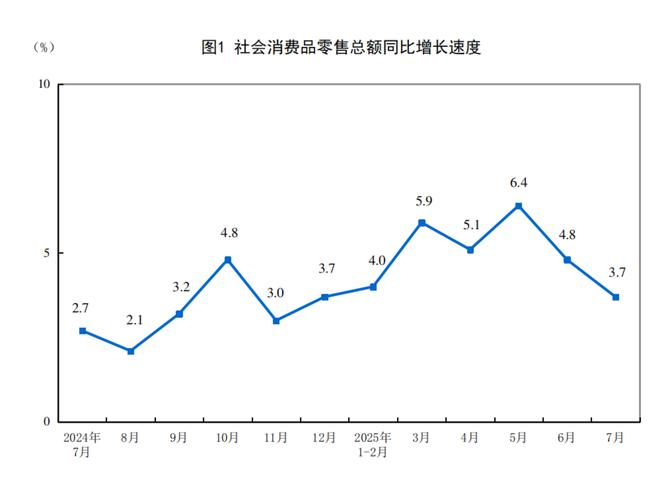
Data from the ministry of commerce indicate that sales of key retail meals for spring holidays have increased by about 5. 2 per cent, with a moderate recovery in the market. But this “average” masked a huge divide. High-end consumption shows remarkable performance — luxury goods, high-end catering, customized tourism, etc., have grown by more than 15 per cent, and the per capita consumption of over $500 restaurants has seen a high rate of collapse. The price rose from $1495 to $1710, and behind it was the need for the gift and banquet to be released。
In contrast, popular consumer goods such as fast-forages, flat-priced meals, etc. Are growing slowly and some of them are growing negatively. Consumers are more rational in basic consumption and “quality ratio” is mainstreamed. Wal-mart sugar cakes, 39 dollars of pure food and wine — these commercial adjustments capture a pragmatic shift in mass consumption。
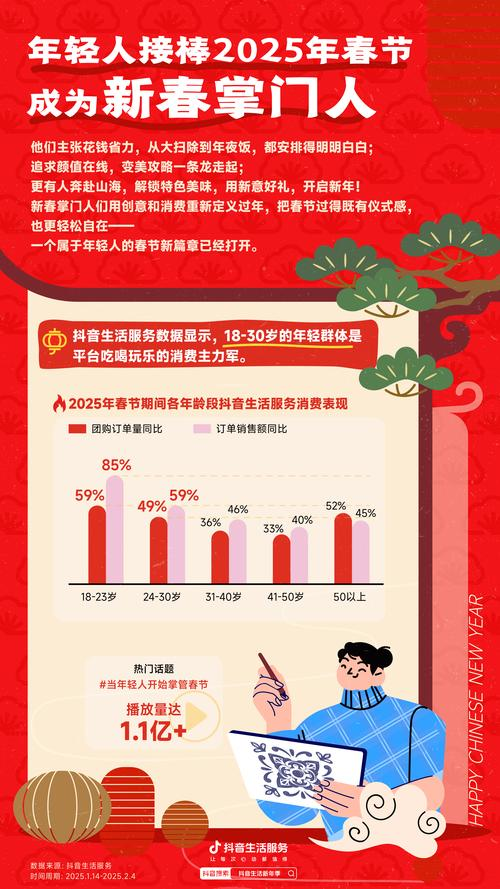
Behind the consumption hierarchy is, first and foremost, the “marta effect” of the income structure. The survey shows that 76 per cent of the population with an annual income of more than 500,000 is expected to increase spending; the low-income group is only 44 per cent. High-income groups have a high share of asset income, which is less affected by economic fluctuations; low- and middle-income groups depend on wages and employment pressures lead to conservative consumption。
The sociological “social stratification theory” finds a realistic footnote. Society is made up of groups with different resource holdings. When economic growth slowed, differences in risk resistance between different classes were magnified. High-end consumption is strong and, to some extent, is a continuation of “showing” consumption — a declaration of social status through high-priced commodities。
But even more important is the shift towards rationalizing mass consumption. This is not just a “saving”, but an evolution of the concept of consumption. In basic areas, consumers move from “buy cheap” to “buy worth”, are willing to invest in important consumption and are fine-tuned in non-essential consumption. This “upgrading” goes hand in hand with a downgrading, which is a manifestation of rational consumption。
Consumption ratings have also reshaped geographical patterns. For the first time, consumption increased by 8. 5 per cent in cities and counties on the 3rd and 4th lines, exceeding 6. 8 per cent in some cities on the 1st and 2nd lines. The return boom, coupled with well-developed infrastructure, has led to a shift in district consumption from “savings” to “pleases”, unleashing new growth potential。
In the face of “stratification” consumption patterns, policies and markets need to be tailored. At the policy level, for high-income groups, duty-free shopping should be optimized and high-end services opening expanded; for low- and middle-income groups, jobs needed to be stabilized and income boosted. The department of commerce's “new springs of music” campaign, which provided precision stimulus through the exchange of old, new, consumer vouchers, and in january, 6,813,000 new items of electricity were sold in exchange for old, leading to sales of 29,711 million yuan — a differentiated approach that is the key to breaking the consumption classification。
At the market level, enterprises need to move away from the “take-all” illusion and clearly position themselves. Is it a high-end "quality responsibility" or is it a popular " king of sex prices"? The two strategies are very different. Brands that attempt to “high or low” are most likely to be marginalized in consumption ratings。
Spring season consumption is like a mirror, showing chinese economic complexity. The whole body warms up and the structure becomes more fragmented. This hierarchy is not a temporary phenomenon, but a concentration of long-term consumption transitions. It requires us to leave the narrative of simple “consumer escalation” and to address the real and diverse needs of different groups。
The essence of consumption is not digital games, but life itself. Both urban elites and housewives are writing spring stories of this era in their own way. And a healthy consumer market should allow all the stories。
# spring festival consumption grade #