


I bet you've heard of blue-light glasses
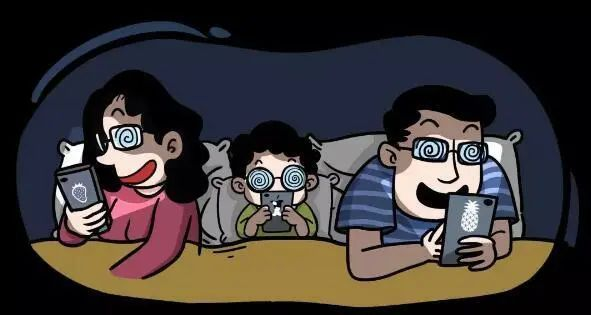
Many people have been given blue-ray glasses for long periods of work using mobile phones and computers; many parents have been told that they can protect their eyes and prevent near-sightedness. Gradually, blue-light glasses became "eyes."。

But is there such a god? What kind of light is blue light? Why guard against it? Can blue-ray glasses really prevent near-sightedness? Listen carefully to us。
What's the blue light? What's the impact on the eyes
The natural light that we often refer to, the solar light, is made up of red, orange, yellow, green, blue, beryllium, purple, seven different colours, of which the "blue" is the blue light that we call, and its wavelength ranges between 380 nm-500 nm。
The effect of blue light on the eyes is mixed:
Long-wave blue light between 440 nm-500 nm is good
It can reach the optic nerve through the retina, passing through synthetic melanoma and serotonin to the lower dome, which can help sleep, improve emotions and improve memory。
Short-wave blue light between 380 nm-440 nm is harmful
It reduces the quality of sleep and even causes light damage to the retina。
Apart from solar light, the light, the light on the electronic screen, all of which is distributed in blue. All regular lamps that are qualified to leave the plant are now in a safe zone with the energy of blue light, so the impact on normal people's eyes can be overlooked by the daily use of blue light。
The proportion of short-wave blue light in the screen is higher than in the solar light, but the total energy is much smaller than the solar light, and the electronics that are qualified to leave the plant are also insufficient to damage the retina。
At present, experiments have confirmed that large, long-term sustained blue light exposures can lead to the demise of retinal sensory cells. However, there have been no cases of direct damage to human eye retinas from screen blue light, due to the low energy distribution of the screen light, and the fact that most people use electronic screens within a reasonable range of time。
What's the principle of blue-light glasses
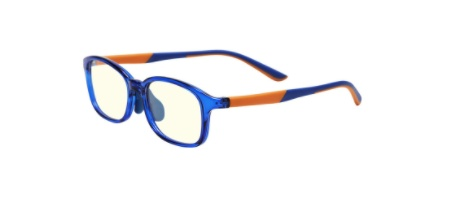
Blue-ray glasses appear to have a yellow membrane, reflecting short-wave blue light through a plating film on the surface of the lens, or adding a blue-ray factor to the base of the lens, thereby absorbing the blue light。
In accordance with the criteria of the technical requirements for the application of light health and light safety in the blue light protection membranes, the light-perceived ratio of long-wave blue light is more than 80 per cent, meaning that the beneficial blue light, long-wave blue light, does not need to be protected; it is harmful blue light, that is, short-wave blue light, that really needs to be reflected and absorbed。
However, the quality of the blue-ray lenses currently available on the market is poor, and some of the inappropriate blue-ray glasses, although they can be effective against short-wave blue light, also block long-wave blue light; therefore, in selecting blue-ray lenses, care must be taken of their light-perceiving ratio。
Can blue-light glasses avoid a perigee
There is no direct evidence to suggest that blue-ray lenses can avoid a deepening of near-sightedness。
We often say that prolonged viewing of computers, television and mobile phones can result in a loss of vision because of changes in the radiant system or eye axes caused by prolonged observation of close objects。

Therefore, there is no need to wear it for young children who wish to slow down the growth of near-sightedness。
Although the link between blue light and near-sightedness is not significant, it has a clear impact on persons with détour. In 2016, minako kaido, a japanese dry eye specialist, confirmed that short-wave blue-light exposure to the eye can be effective in improving dry-eye symptoms for people with dry eye diseases. So people who need to work on the screen for a long time feel comfortable wearing blue-ray glasses。
These people suggest wearing them
1 for screen workers with dry-eye symptoms: due to the barrier of short-wave blue light, the tear membrane stability of dry-eye patients can be improved in case blue-ray glasses reduce the visual fatigue of screen workers。
2 fits to the already yellow-coloured population: short-wave blue light can be better penetratored than normal people for people with ophthalmic pathologies and may have some effect on wearing blue-ray glasses。
3 persons suitable for special jobs, such as workers who burn glass and use welding: such populations may be exposed to large doses of blue light and therefore require more specialized protective glasses to protect the retina。
People like that don't fit
There are currently no reports that the wearing of blue-ray glasses can slow the development of near-sightedness, and the yellow colour of blue-ray glasses may affect the visual development of children。
2 is not suitable for people with colour recognition requirements: blue-ray glasses can block the blue light and expose the blue supplementary yellow, and the colour of the screen will be distorted, which may have an impact on the work of such groups。

So..
The blue light of different wavelengths affects the eyes differently
We need to guard against short-wave blue light
And blue-light glasses don't prevent near-sightedness
But it improves the symptoms of dry eyes
And not everyone is fit to wear it
Did you learn
Source: science china



