As close-vision controls become more and more important
Angular plastic mirror (commonly known as ok mirror)
It has become one of the interventions of many parents
However, the concern is whether the cornea will be worn out
It's always been there
The child wears lenses in his eyes every day
Is it safe?
Today, we're looking at science
Show you the truth
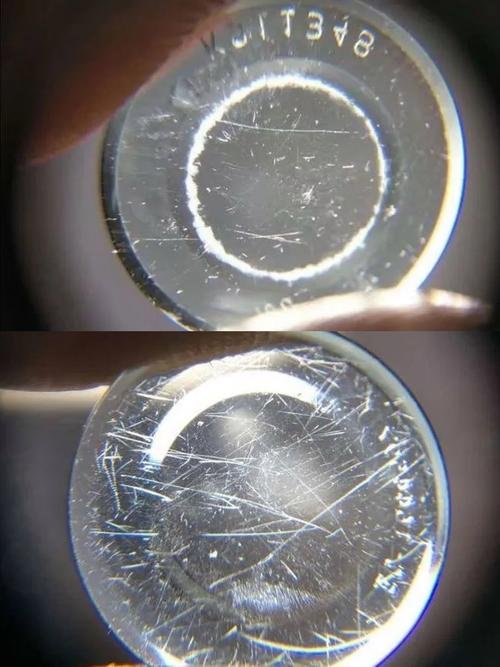
How did the part 01 go?
Orthopaedic lenses:
Angular plastic mirrors are specially designed to reverse geometry, wear them during night sleep, and physically re-distribution of upper skin cells in the central area of the corneal is effected in such a way as to temporarily alter the corneal curvature so as to achieve a clear vision during the day without the need for mirrors. This process is reversible, and the hindsight is gradually restored。
In addition to the ease of de-filing during the day, the more important value of a cornea plastic lens is to slow near-sighted progress. Clinical studies have shown that the rate of near-sighted growth can be reduced by an average of 40 per cent - 60 per cent for adolescents who regulate the wearing of corneas。
Parrt 02 "change" ≠ wear and tear. Here's the key
Many parents are concerned that the lenses will “boil” the cornea. Indeed, we need to distinguish between “plasticity” and “abnormal wear”。
The membranes are divided into five layers, the most surface layer being the upper cortical cell layer, which has a strong self-rehabilitation and renewal capability and is naturally updated once in an average of 7-14 days. The main area in which the corneal plastic lens function is this layer, which, through the hydrodynamic effect, causes the transitory movement of upper skin cells from the central zone to the surrounding area, thereby altering the membrane form。
This process can be visualized as a light push around the sand in the middle of the sand pile, re-distribution, rather than grinding thin with tools. The effect on the cornea is safe, manageable and reversible as long as the lens is well matched。
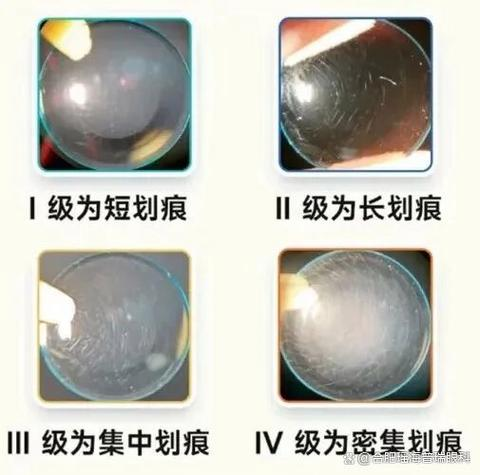
Part 03 key to safety: professional matching + periodic review
Matching must be "eye custom"
A series of precision checks, such as:
Angular topography: analysis of membrane morphology;
Angular curvature and diameter measurements: determination of the basic parameters of the lens;
(a) eye tension assessment: to determine the impact of eyelids on lens positioning;
Tear quality check: ensure that tear provides enough lubrication。
Only lenses that are customized on the basis of comprehensive data personalization can be matched with the ideal of a cornea to ensure safety and comfort。
Periodic review cannot be ignored
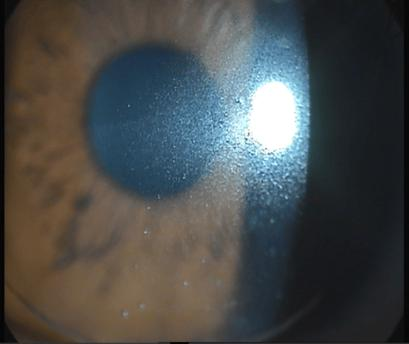
It is recommended that it be reviewed on day 1, week 1, month 1 and month 3, and every three months thereafter, with a full inspection every six months. The review will focus on:
The health of the cornea (with or without impairment or signs of infection);
(b) capricular changes and plastic effects;
Visuality and visual quality;
Mirror cleaning and integrity。
Through regular monitoring, problems can be identified and adjusted in a timely manner to ensure the effectiveness and safety of long-term use。