Spring transport in 2026 will commence on 2 february and end on 13 march. High levels of cross-regional mobility across society are expected during spring. There is a strong demand for road transport of passengers and cargo, a significant increase in road traffic traffic flows and increased traffic safety risks. In recent days, the department of transfer control of the ministry of public security, taking into account the characteristics of road traffic accidents during previous spring transports, has conducted a study on the safety of traffic in the spring of 2026 and issued traffic safety warnings。
According to the study, road traffic safety throughout the country this spring is facing the following salient risks:
First, there is a concentration of traffic, and there is a high incidence of illegal traffic. With a holdings of 321 million minibuses and an increasing number of car-owning families, combined with free passage on the spring holidays highway, the self-driving ratio is expected to reach approximately 80 per cent during the spring run. Over the past three years of spring transports have resulted in more than half of the deaths caused by car crashes, over 70 per cent of larger accidents and a high proportion of violations。
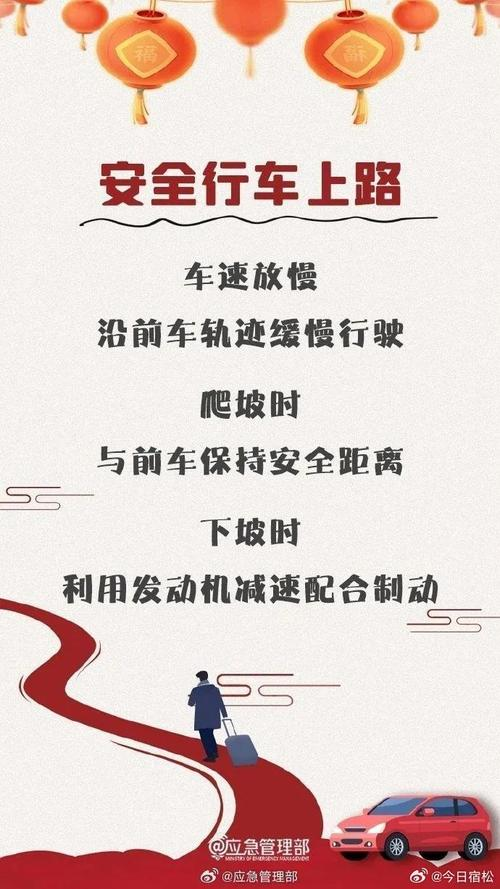
The second is the high demand for post-section passenger transportation and the high security risks associated with road passenger transport. The movement of people across the region during the spring season will be characterized as “relatively dispersed before the festival, vacation tourism and high concentration after the festival”. The “longest in history” spring holidays last nine days, and the trend of “go home first, then travel again” is evident, with increased demand for road passenger transportation, especially in areas of concentration and hotspot lines at peak times, and increased risks of overloading, exhausting driving and illegal operations。
Third is the increase in rural returnees and vehicles, which are prone to vehicle crashes and crashes. Rural returnees and vehicles are concentrated before and after the spring festival, many visits to friends, red and white events, festivals, etc., spring tillage is busy after the new year's eve, more group trips are taking place, more illegal problems such as “two violations” in rural areas, together with poor conditions of rural roads, vehicle crashes and crashes, leading to mass casualties。
Four is the number of holiday parties and the risk of drunk driving. During festivals, family and friends gather to drink and drink, and the risk of drunk driving is high. In the past three years of spring holidays, the percentage of deaths due to drunk driving was significantly higher than on average。
Fifth, there is a high volume of freight after the preceding section, with high stage security risks. The need for transportation of energy and human goods before spring holidays is high, trucks are running fast, overloading and exhausting driving are at high risk of offending. After the new year's eve season, businesses resumed production, road cargo resumed active and cargo safety risks would rise again。
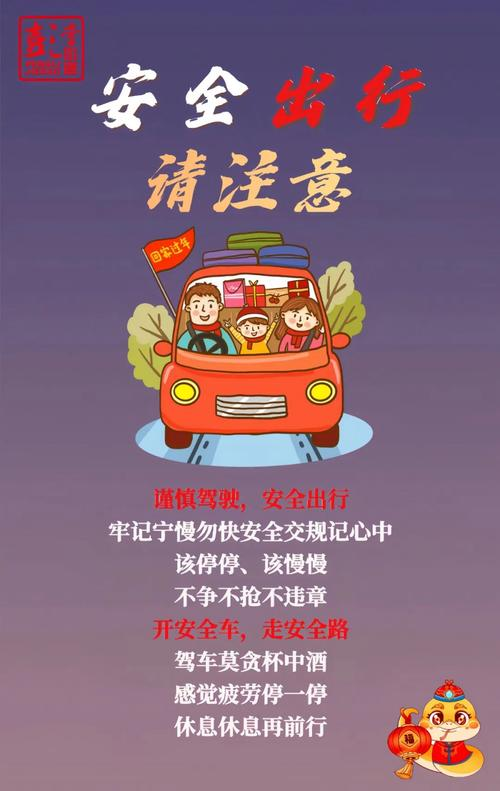
Sixth is the high temperature and volatility of the weather, which adversely affects movement. The meteorological sector predicts that the heat rises and increases during the spring run-off, with two cold airs before the festival, affecting the north, east, central and parts of south-west china. In the run-up to the spring holidays, there is a potential for gradual cooling and heavy snowfall in the northern part of the country, as well as a potential for seasonal rain and ice freezing in the north-east, north-central china and south-west regions, which could trigger vehicle side crashes and multi-car crashes。
The transfer authority of the ministry of public security suggests:
Self-drive should be informed in advance of traffic conditions, weather forecasts, reasonable travel times and routes, not speeding, and not exhausting driving. In driving the vehicle, focus is placed on ensuring that the vehicle is controlled at all times, without regard to heart driving, especially when the auxiliary driving function is activated. Family, family and friends parties, remember, “no driving, no drinking after drinking”。
The highway shall be operated at all times at a safe distance, in a crowded and slow section of the road and shall be followed in an orderly manner, with no arbitrary diversion or occupation of emergency lanes. There were traffic accidents or vehicle failures, bearing in mind that “the car is side by side, the person is evacuated, the police is called”. Close to the highway exit, be careful to observe and change the course ahead, and when the exit is missed, not to move out of the front exit without an emergency diversion, brake or pull over at the exit。
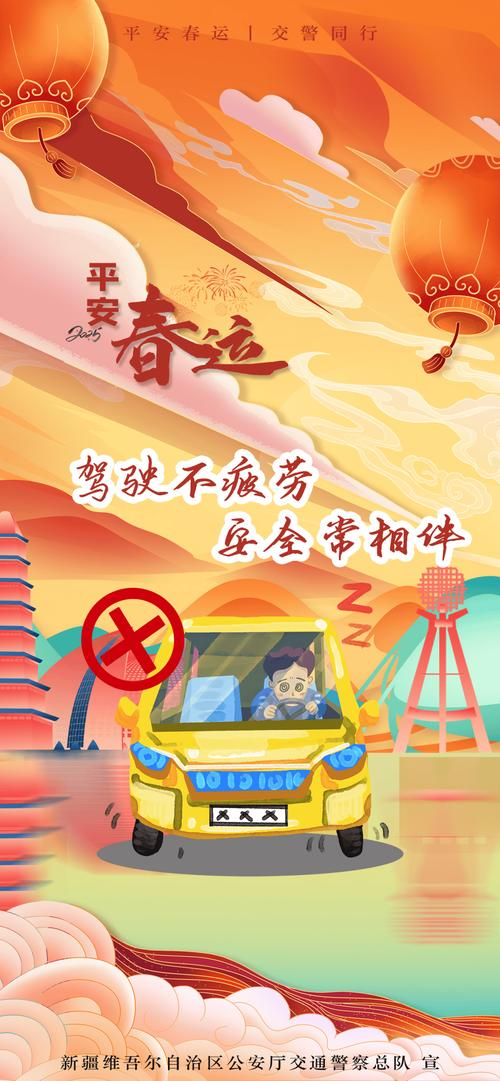
Rural roads travel slowly and carefully to protect against vehicle collisions and crashes, in the event of steep slopes, long slopes, narrow sections and waterfalls. Through the village through the town section, care is taken to observe vehicles and pedestrians on both sides of the road and to make the required way。
In the event of cold, cold and cold weather, which minimizes the need to drive, vehicle safety checks are carried out prior to travel, with less speed and control of distance, less diversion, less direction, less brakes to prevent vehicles from sliding or tailing out of control。
To travel by bus, it is essential that tickets be purchased at the regular bus terminal, that there be a conscious resistance to the "black car" or "superbus" outside the station, that there be no light trucks, tricycles, tractors, etc., and that safety belts be fastened throughout the journey。