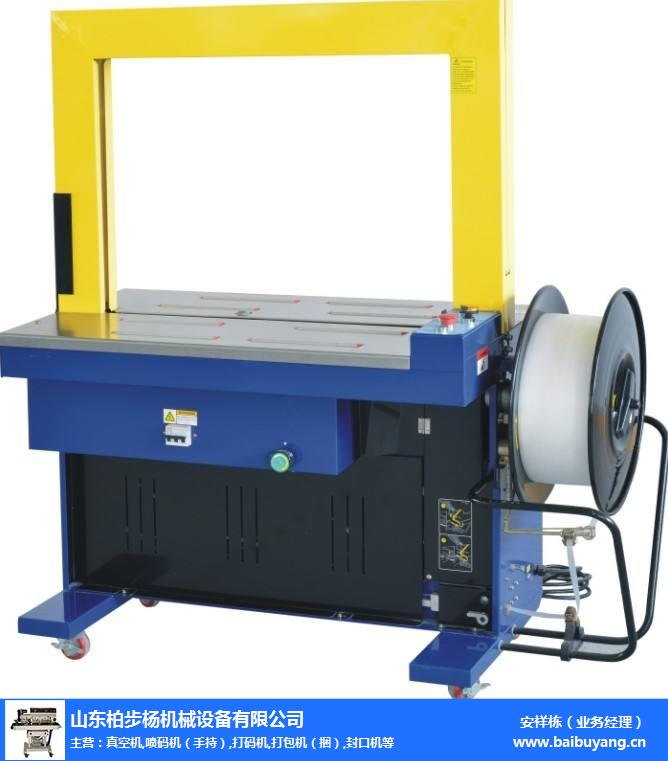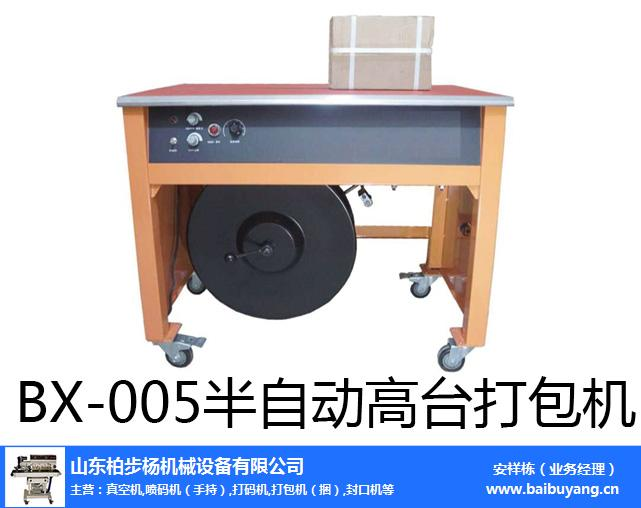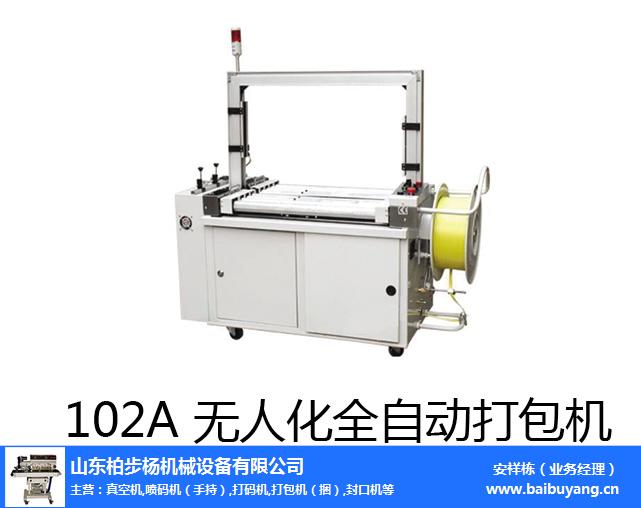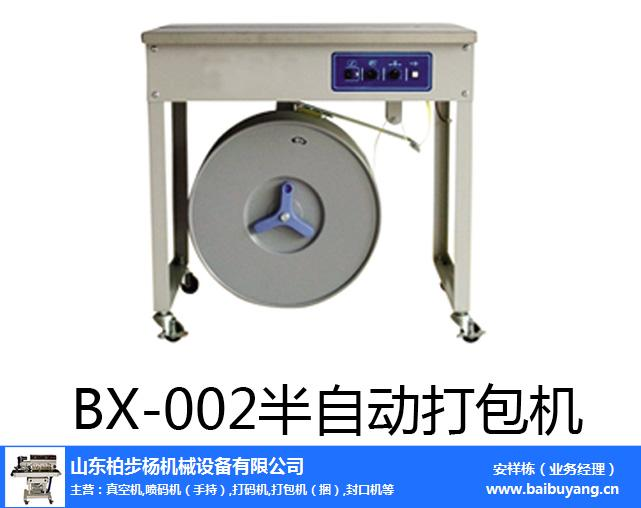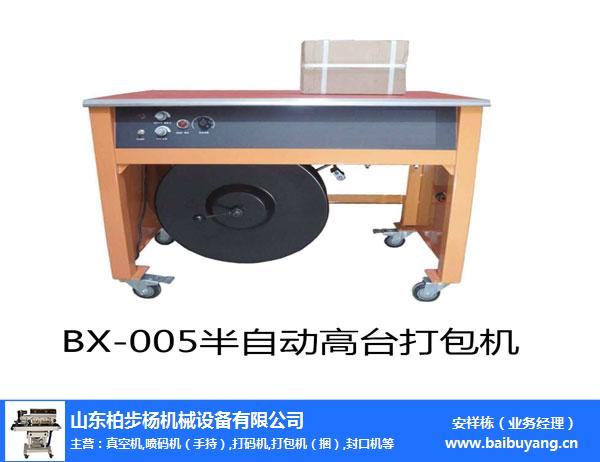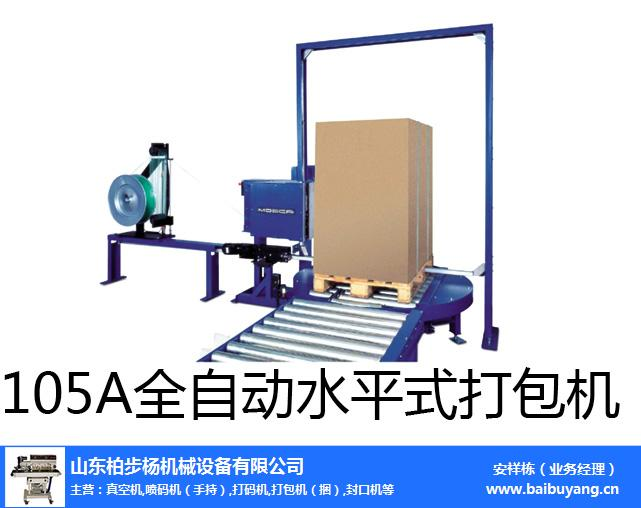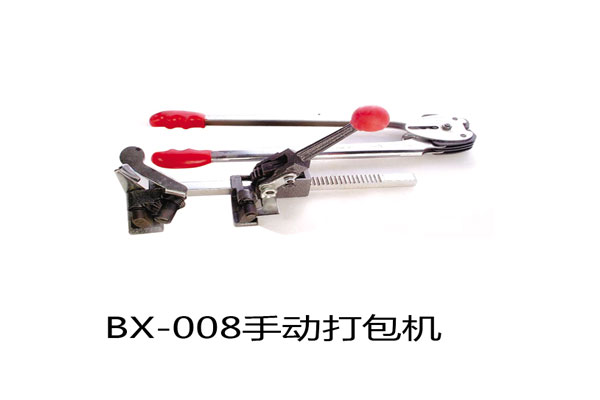

Plastic packaging spare parts
Plastic wrapping parts have a self-evident effect on some products! Protection for products, especially for packaging requirements. The following elements need to be taken into account when selecting for spare parts for plastic packaging:
We now need to understand the multiple weights of the products that need to be packed, so we can choose plastic-packed spares at different levels of pull to be packed; assuming that you need to customize special plastic-packed spare parts, or to mark them on the plastic-packed spares, the printing company can raise the profile of the enterprise by tailoring specially designed plastic-packed spares to make paper boxes, which belong exclusively to the company's common, single-box-packed accessories. Paperbox binder characteristics
Paper-box bundlers are designed to be modular aluminium and can be easily dismantled
A fully automated design and easier operation of the cardboard binder
The large size of the bundle of boxes is determined by the bow, which can be tailored to the needs of the user
(b) paper box-mounted motors, brakes, cams, austerity arm operations
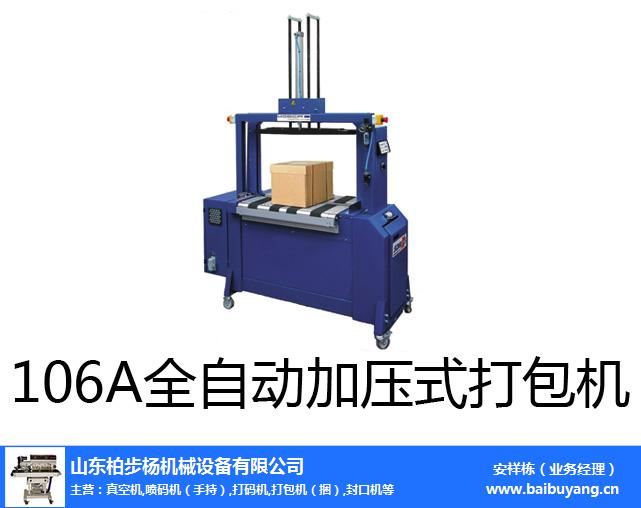
High-speed pressurized charters
The mg-600ap high-speed pressurized charterer is a fully automated packer specially designed for varnish paper packs, which is characterized by the use of 5 mmpp bands, resulting in significant savings in the production costs of the enterprise. The machine has an upward pressure function and can compress and then bundle loose paper. Service motor-driven, human interface operations, client choice of one-way, two-way, three-packing operations fast, 26 packages (one-way) or 16 packages (two-way)/min, adjustable by different weights depending on the size of the product, adjust range 8-60kg work process silently so as to automatically reset the tape, press the belt button when the packer drops off, the machine automatically delivers the tape, without having to wear the surface height again, adjust range 754,200 mm easily, simple, humanized
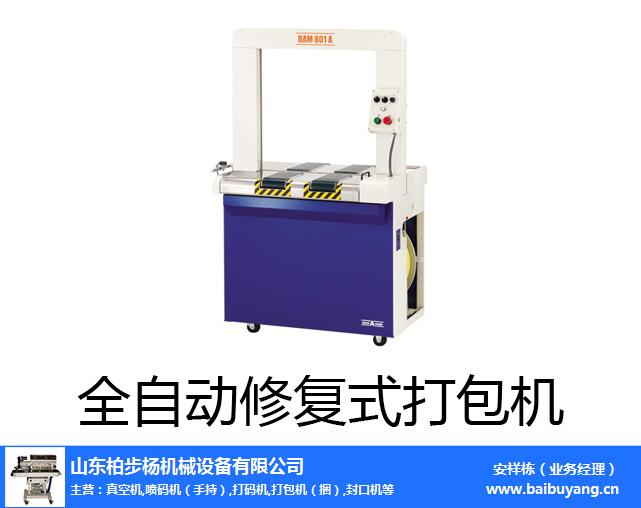
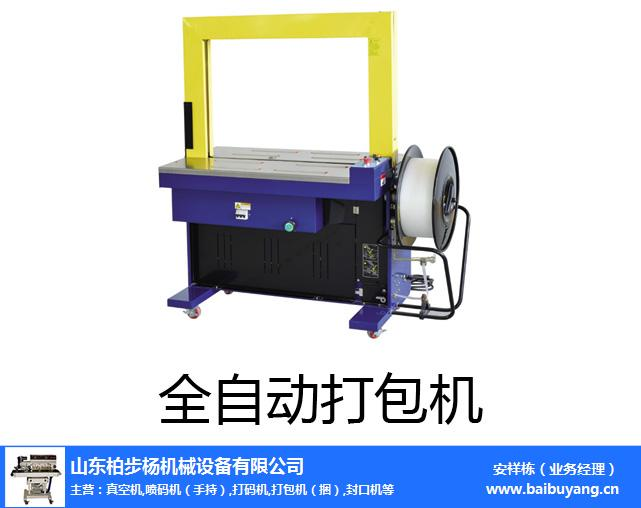
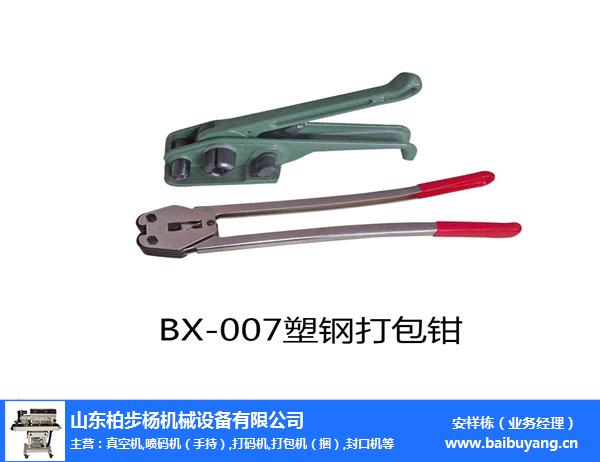
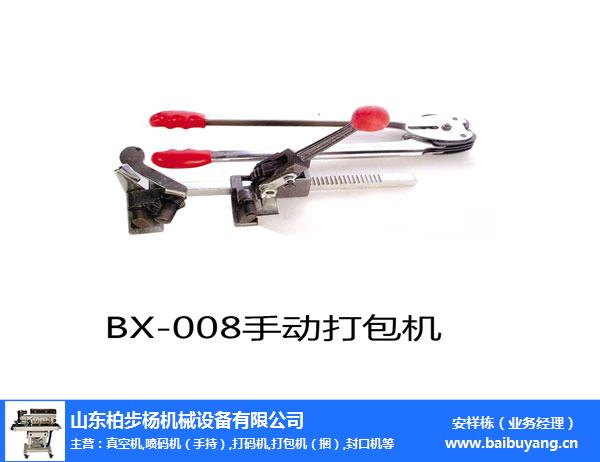
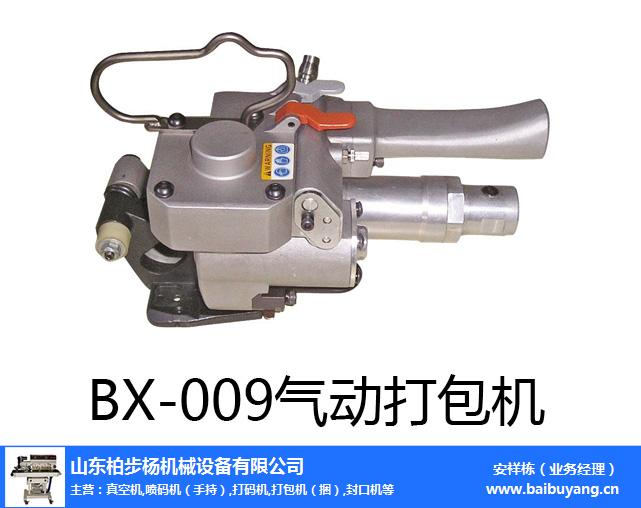
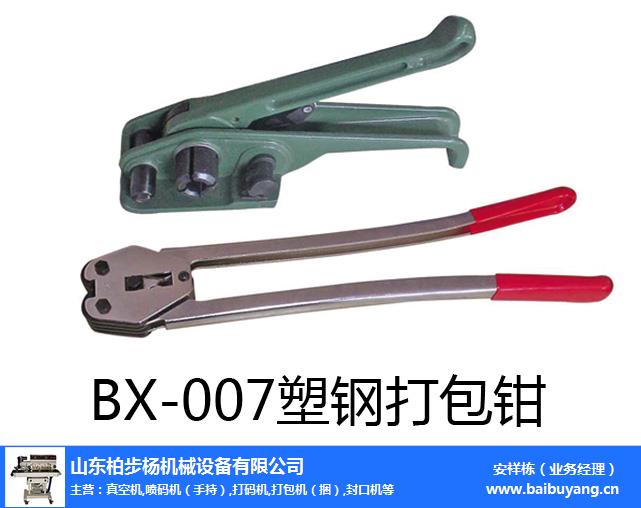
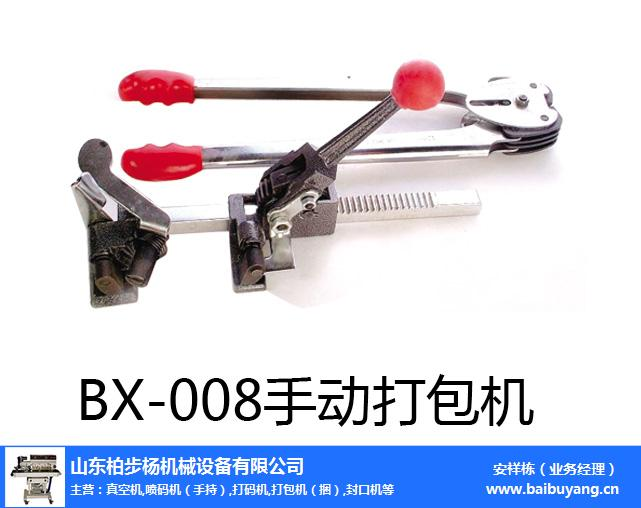
Packing and maintenance
Plan preventive maintenance
It is based on mastery of the pattern of wear and tear of mechanical and electrical equipment, based on the speed and duration of wear and tear of the various components, the application of the principles of prevention and treatment, and the corresponding organizational maintenance and repair to avoid premature wear and tear, compensation for wear and tear, prevention and reduction of malfunctions, extension of life, and saving of maintenance time, thereby contributing to greater efficiency and economic efficiency。
The specific implementation of planned preventive repairs can be summarized as “regular inspections, timely maintenance, planned repairs”, which are suitable for macro-management of repairs. The implementation of the planned preventive maintenance system requires the following: (a) a statistical, test and experimental study to determine the repair cycle for the total and main parts and components, with a reasonable breakdown of the repair category; (b) the establishment of a corresponding technical quota standard for the maintenance team; and (c) the existence of a system of preventive maintenance based on a functional division of labour and a rational layout of the repair base d plan, the main drawback of which is a poor economy, a fixed repair cycle and a fixed range, resulting in the unnecessary maintenance of parts of the machinery, i. E. Over-maintenance or inadequate repair. In the course of maintenance, the maintenance is divided into levels and categories of major repairs, intermediate repairs, minor repairs, repairs, alterations and unplanned repairs, determined by the size and content of the maintenance workload。
(1) major repairs or basic restoration of electromechanical equipment are generally performed by maintenance teams within the plant or by maintenance centres located in areas where industrial facilities are concentrated. During major repairs, total or large disassembly of mechanical and electrical equipment will be carried out, emphasis will be placed on the repair of the infrastructure, replacement and repair of lost and about-to-be-defunct spare parts, the adjusted accuracy will be almost equal to the water level of the original plant, and the outside world will be retrofitted。
(2) moderation is a level between major and minor repairs and is for balancing maintenance。
(3) minor repairs are intended to replace or repair spare parts that have suffered severe wear or are about to lapse during the maintenance interval and do not involve maintenance of the base, which is troubleshooting. The three levels of major, medium and minor repairs objectively reflect the time process of the electromechanical equipment and are therefore suitable for time-based implementation of planned preventive maintenance, with d in place for most units, but it needs to be supplemented by other levels of repair to meet unforeseen maintenance needs。