The chinese seismic network determined that an earthquake of 5. 5 magnitudes at 0233 hours on 0608 occurred in the plain county of shandong tezhou (37. 16° n and 116. 34° e) at a depth of 10 km。
Many netizens in beijing, jiangsu and anhui said that there was a strong sense of shock。
It's an earthquake
It's the right science to avoid shocks
To minimize the loss and damage
In case of an earthquake
How can we avoid the shock
How to make the right choice of the hideout
1. Be indoors during the earthquake and look for shelter points
First, shut down the power, fire。
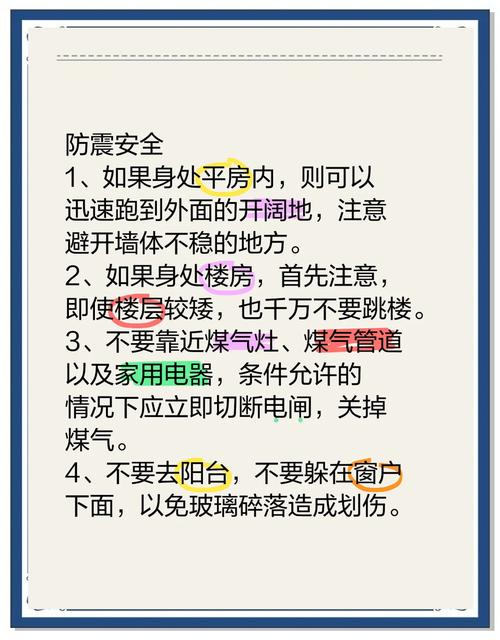
Take cover, get down and grab the stuff. Learn to use the writing desk, the space under the table, or the body close to the inner wall as a cover, and then grab a solid object with both hands。
In the absence of such a shelter, the head and face can be protected with both arms and in the corner of the room。
Items that are far from glass products and that may fall。
If they lie on the bed, do not move at will, protect their heads with pillows and blankets, or evacuate if they have chandeliers on the bed。
2. Outside of the building during the earthquake objects
At the time of the earthquake, they were just outside, taking care of objects that might collapse, such as buildings, trees, utility poles, etc., and looking for an empty site, crouching down and waiting with their hands on their heads。
When trapped in ruins, try to keep your strength
If unfortunately buried, do not move at will to stabilize yourself。
Cover your mouth with handkerchiefs or cloths to avoid inhalation of dust。
The sound of a knock-on pipe or wall was brought to the attention of relief personnel。
If none of the other options worked, the cry would be more physical and risk inhalation。
How do we avoid the escape zone
It is important to note that:
(b) do not flee buildings blindly: the short warning time of the earthquake, coupled with the damage to the body of the house, the disfigurement of the doors and windows, is not easy to escape from the building and is likely to be put at risk by the aftershock during the escape。
Do not choose to escape from the window: it is dangerous in itself and is less likely to survive the aftershock。
Don ' t push away from life: when you flee, you get crowded with each other, and if there are incidents of trampling, it will be a second injury and very dangerous。
Do not take an elevator when fleeing: it is likely that it will drop at extreme speed during an earthquake。
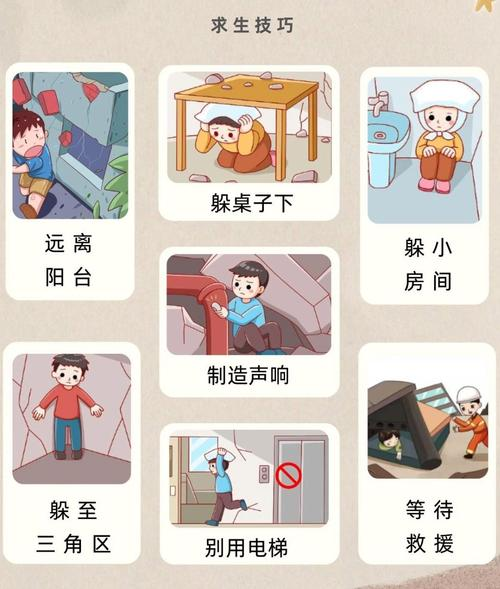
Do not hide under a bridge or a rain shed: these shades are extremely vulnerable to collapse during an earthquake。
Watch out for secondary hazards
The earthquake also triggered a series of secondary disasters:
Aftershock: after the great earthquake, there was an aftershock. The aftershocks last a long time, possibly hours, days and even months. It is important to be vigilant at all times and not to think that the earthquake is over。
Landslides, mudslides: earthquakes in mountainous areas can trigger landslides and mudslides。
Fire: after the earthquake, there were several shakings of the land, which could lead to gas pipeline bursting, short circuits of electrical wires, and fires。
Tsunamis: earthquakes in coastal areas are highly likely to trigger tsunamis. Similarly, earthquakes in water storage areas (dams, etc.) can cause varying degrees of flooding。
Earthquake warning is not a warning, but an alert