Introduction
The current state of the refrigerator maintenance industry is a prism reflecting a little-known aspect of the consumer market. In recent days, the news of a $4. 8 recharging of the refrigerator, which received $1610 in spare parts, was like a boulder pouring into a calm lake, prompting an instant wave of public opinion and provoking a deep social interest in pricing mechanisms and consumer protection in the domestic electricity maintenance sector。
Case analysis
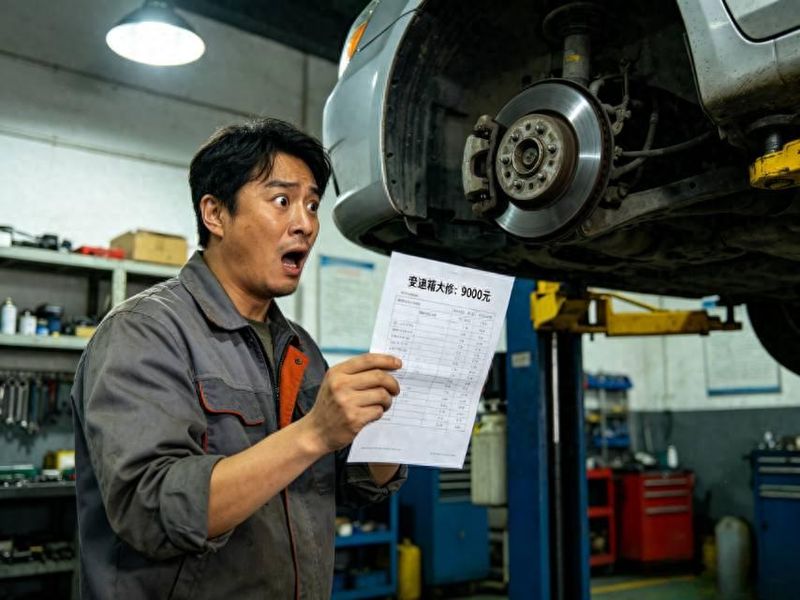
Let us focus on the core of the controversy: a seemingly unusual refrigerator repair, with only $4. 8 for critical parts, but consumers eventually received a bill of up to $1610. This is a dismal number, as a gap between consumer understanding and reality. In depth, this case is not a simple replacement of parts, but involves complex technical diagnostics, dismantling processes, time accounting, etc. Even so, however, hundreds of times the increase in fees remains unacceptable to the public, and the voices of doubt are running out。
"inside the industry."
Three feet cold, not a day cold. The high fees in refrigerator maintenance are embedded in its unique pricing mechanism. First, labour costs are high. Professional maintenance technicians require extensive expertise and practical experience, and their labour value cannot be ignored. However, the lack of transparency within the industry with respect to the hourly billing standard often leads consumers to bear excessive labour costs without knowledge. Second, the service costs cover multiple items such as door-to-door fees, testing fees, materials, etc., and the vagueness of the fee rates for each chain provides an opportunity to “go-to-day prices”. Moreover, although the cost of spare parts is low, the ultimate sale price is pushed upwards in the intangibles of supply chain management, inventory costs, transportation losses, etc. In addition, information asymmetries and the lack of consumer-to-consumer expertise give repair firms room to manipulate prices。
Consumer rights
Consumers are not helpless in the face of the fog in the maintenance industry. Our consumer protection act clearly provides that consumers have the right to know the true state of affairs of goods or services and the right to fair trade. In practice, however, other industries, such as catering, electricians and others, are relatively mature in terms of price publicity and clearly coded prices, and consumers can easily compete and choose among their merits. In contrast, there is a marked lag in price transparency in the domestic electricity maintenance industry, where consumers are often informed of the total price after the repairs have been completed and lack the right to know and choose in advance. It is therefore urgent to promote a standardized and transparent pricing system in the servicing industry to enhance consumer protection。
[social echoes]
As soon as this happened, social media blew up. Netizens have come out of the “maintenance trap” that they have suffered from their homes, and have been angry at the “unrepairable electricity”. There is no doubt that the reaction in public opinion was a collective torture of the entire refrigerator maintenance industry, and the public is eager to see the industry overhauled and call for a just, fair and open service environment。
The future of the industry
Looking ahead to the future of the refrigerator maintenance industry, the seeds of change have swung in the wind. On the one hand, greater regulation of the sector is expected at the policy level, leading to stricter pricing rules and service standards, forcing enterprises to improve the quality of services and reducing the space for unreasonable fees. On the other hand, net market power is also waking up, and a more rational consumer perception and rights-based consciousness will prompt repairing firms to proactively increase price transparency in order to gain long-term consumer confidence。
Conclusions
The case of the “refurbishment of $4. 8 for spare parts” is like a mirror, mapping many of the pressing problems in the refrigerator maintenance industry. Faced with this alarm, consumers should learn to be vigilant in servicing services and actively exercise their right to know and choose, while the industry itself is in dire need of shaving poisons, working together to create a new picture of fair and honest household electricity maintenance by improving transparency, regulating pricing and strengthening services and restoring consumer confidence。