At a time of deep digital and intellectual convergence, the pains of traditional equipment management, such as “man-made dependence, data faults, risk management”, have become more pronounced, making it difficult to adapt to high-quality development needs of matching enterprises. The entrepreneurship support smart device management platform, centred on "intelligence technology empowerment + full life cycle management" and embedding high-tech technology such as artificial intelligence, sensory technology, virtual site, into the entire equipment management process, building a new management system of "data drive, smart control, risk alert" through a combination of labour, material, video surveillance, interlinking equipment, and five modules of mechanical equipment, to inject scientific and technological power into the enterprise's downscaling efficiency and competitiveness。

China foreign exchange network trading platform -- $400 for opening accounts
Science and technology building: breaking traditional barriers and building the core logic of smart management
Unlike the “retroactive, manual” model of traditional equipment management, the core breakthrough of the entrepreneurship platform is “technology implantation + data closure”. The platform deploys sensors, face recognition devices, smart monitoring terminals, real-time collection of dynamic data on people, equipment and materials at key nodes, such as construction facilities, mechanical equipment, man-to-person wear equipment, site gates, etc. — down to material consumption, up to mechanical operating parameters, up to personnel safety, all data “one-key access” entrepreneurship systems, feedback from intelligence analysis to management end, and upgrades from “man-made control” to “smart perception”. This logic completely breaks down the “information island”: in the building landscape, data such as mechanically operated speeds, temperature, etc. Are transmitted in real time through sensors, automatically alerting in case of anomalies; when a person wears equipment to monitor heart rate and positioning, enters a dangerous area or health anomaly, the system immediately warns, moving from “passive response” to “active prevention”
Modular synergy: cover the whole scene and build the smart management matrix
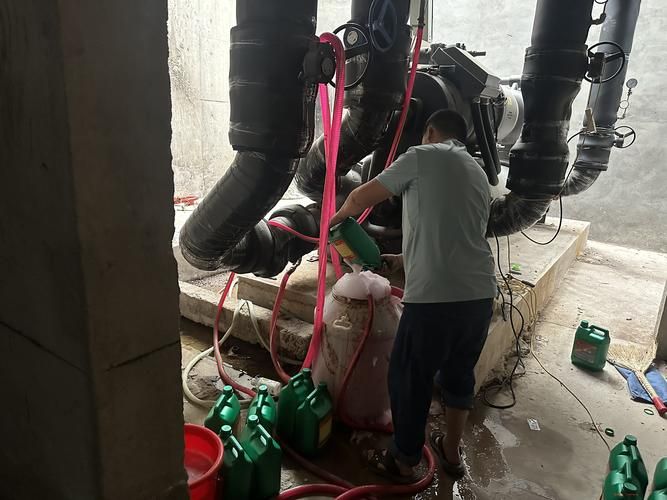
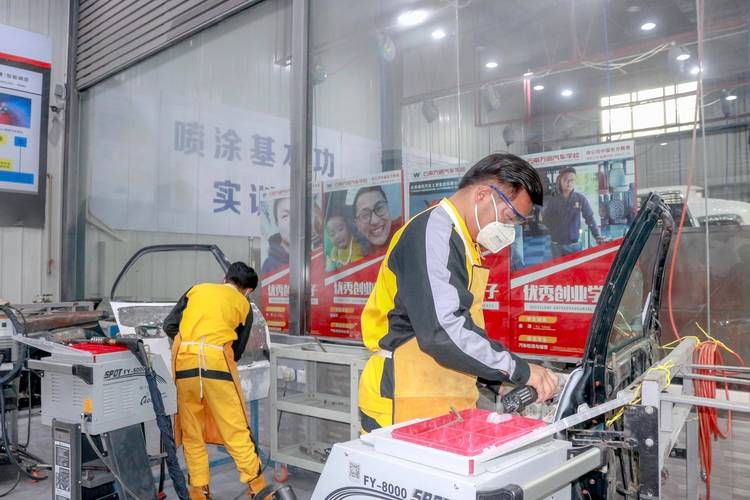
The five core modules do not operate independently, but rather form an associated “smart matrix” covering the entire life cycle of the equipment, taking into account human and material co-management. Labour management: precision of personnel control; digitalization of the entire process of personnel management based on face recognition and intelligent wear. Personnel enter through face recognition, real-time location and track tracking during operations, and are archived on the security training log line. Under a high-risk scenario, the system defines the security zone by location of personnel, triggers sound alarm across borders, optimizes scheduling and reduces human waste by combining the length of operations and the completion of tasks. Material management: transparent allocation of resources; material is “calculated, trackable, inventory controlable” through the technology of networking. Material entry codes are registered, real-time consumption is measured in use, residual recovery sweeps are written off, data are automatically recorded and overstatement and waste is eliminated. On-site control visualization; video surveillance combined ai analysis, automatic identification of irregular operations (without helmets, high-altitude parabolics) and equipment anomalies (mechanical oil spills), real-time delivery of alarms to mobile phones and realization of “monitoring or warning”. Ipo management integrates all smart hardware, uniform viewing of equipment status, operating data, remote movement parameters and reduced manual inspection costs. Mechanical equipment: intelligent transport management; as a core module, mechanical equipment management has shifted from “aftercare” to “predictive maintenance”. The system captures operational data to build equipment health files, ai algorithms predict the risk of failure and advance maintenance alerts; consolidate maintenance records and spare parts inventories, automatically generate optimal programmes and avoid delays due to equipment failure. For tower cranes, the platform calculates the maintenance cycle based on the number of liftings and wear and tear of the wire to ensure optimal state of equipment
Values are on the ground: downloading, risk management, efficiency gains, strengthening enterprise competitiveness - the platform translates technological advantages into business advantages and achieves three core values through “automation, intelligence, precision”。
Reduced management costs - smart surveillance and automatic early warning reduced the frequency of manual inspections and reduced human costs; material precision control, predictive maintenance of equipment, and reduced resource waste and failure losses。
Control of operational risks - from personnel security alerts, material compliance retrospectives, to equipment risk warning, to the construction of a “full-dimensional protection and control network”. Face recognition eliminates undocumented induction, material tracking avoids theft, equipment warns against security incidents and avoids safety and compliance risks。
Improving the competitiveness of enterprises - smart management improves the efficiency and quality of project delivery, and data accumulation forms a “management experience base” to underpin the optimization of subsequent projects; transparent management enhances client trust and becomes market competition “plus subdivisions”
Technology empowers and opens the way to a new future of equipment management
The enterprise supported smart equipment management platform, with the concept of a “life cycle” and a “data drive” at its core, reframes the equipment management process. It makes the decentralized management chain more precise, moving from “experience management” to “science management”. For enterprises facing cost and risk challenges, the platform is not only a management tool, but also a “strategist” to enhance core competitiveness, enabling firms to take the lead in the wave of smartness and achieve high-quality development。