The blueberries are long-born leaves or green shrubs, with blue fruit, near circle, with a single fruit weight of 0. 5 to 2. 5 g, and very small seeds. It is thin, sweet, fragrance, fresh, and can process fruit sauce, juice, wine, etc. Blueberry cultivation began in the united states, and our original blueberry varieties are almost all wild and unsuitable for cultivation. More than 20 years ago, we began to introduce good varieties abroad, and more than 20 have so far been introduced, but have not yet developed large-scale productive capacities。
Landing
One is land selection. The range of blueberries is wide, and the greenhouses should be selected according to local climate. Soil ph should be 4. 0-5. 5 with a maximum range of 4. 3-4. 8. Soil organic content should not be below 5 per cent. In addition, the soil needs to be lax, well-ventilated and wet without water. The second is land preparation. After the selection of the sheds, a year before the planting was completed, they were condensed with green fats, which were suitable for 20 to 25 centimetres in depth, and then refined. Pre-planting also involves the improvement of soils that do not fully meet the requirements for blueberries to grow. Three is fixed. Blueberries and autumn plants are available in the greenhouses, with a high rate of survival in autumns, which should be done sooner or later. The length of the line is 1. 2 m x 2 m for high bush blueberries and 0. 5-1 m for short bush blueberries x 1 m. High- and short-christ blueberry white flowers yield higher rates, but the configuration of pollination trees can improve fruit quality and yields. The distribution ratio of the main plant species to pollination species is 1:1 or 1:2。
Land-based water management

Soil management. The blueberry root system is relatively shallow and thin, with no hair, and therefore requires the soil to be loose and well ventilated. (1) clean cultivation. Cleaning can be carried out from early spring to august, and after autumn it will be detrimental to its winter. High-strength blueberries cultivate the usual method of ploughing on sandy soil. The plowing depth is 5-10 cm, which is too deep to harm root systems。
Weed law. Weeding is used in rows and herbicide is used in rows. Weeding also contributes to higher yields compared to tillage and has the advantage of maintaining soil moisture and facilitating mechanical operations。
Soil cover. Soil cover is widely applied in the production of blueberries, with multiple effects such as increasing soil organic matter, improving soil structure, regulating and maintaining soil moisture, reducing soil ph and controlling weeds. Covering the raspberry soil with 5 to 10 centimetres of sawdust, yield could increase by 30 per cent over three years, plus 50 per cent for single fruit. Leaves, straws and other crop straws can also be used, but not as effective as sawnouts。
Weeding. Weeding is very important in the management of the blueberry sheds and can lead to a more than one-fold increase in yields. In blueberry production, the use of chemical herbicides is widespread because of the high cost of artificial weeding and the vulnerability of root systems, in particular the swarms of blueberry cultivation, which after several years have taken place, the whole orchard has been cut apart from artificial weeding. Herbicides commonly used in blueberry gardens include dichlorfon, simazin, chlorbenzo-amino, 2. 6 dichlorobenzene, lysin, etc
The type of fertilizer. The combination of potassium nitrous phosphorus is better than the application of a single fertilizer; the ratio of nitrogen, phosphorus and potassium fertilizer is appropriate at 1:1; nitrogen fats such as ammonium sulphate are not suitable for nitrogen fertilizer; and blueberries are chlor-sensitive and do not select chlorine fertilizers such as ammonium chloride and potassium chloride. High-strength blueberries can be applied in ditches, with depths ranging from 10 to 15 centimetres; the bushes of blueberries form a series of gardens and are mainly distributed. Fertilizers can be applied before early spring buds or again during berries recombining. Excessive application of fertilizers can easily cause damage to the blueberries and even death in their entirety. Therefore, the determination of fertilization is very careful, depending on soil fertility and tree nutrition。

Water. The blueberry roots are thinly distributed, wet and necessary for timely water. Blueberry irrigation requires attention to water sources and quality, deep well water is generally ph high and sodium and calcium content is high, long-term use can affect the growth and production of blueberries, and soil ph values can be increased to 4. 5-5. 5 by sulphuric acid during irrigation。
Cutting technique
Teenage trim. This period is dominated by deflowering with the aim of expanding the canopy, increasing the number of branches and promoting the growth of the roots. In the second and third springs after planting, the weak branches were removed, while in the third and fourth years, the expansion of the tree canopy was predominant, but the result was adequate. In general, the third year of production should be controlled below 1 kg, mainly as a result of growing branches。
Age tree trim. At this point, shears are mainly designed to control tree heights, improve light conditions and tend to branches, so that the branches, the thin branches, the insect branches and the roots are removed. They tend to be weaker than open varieties, with vertical varieties going to the centre for drying, skylights and medium branches. The best result is five to six years of age, which is more than the need to retrace and update. Weak branches erase the buds and make them grow. Growing-up trees have a large amount of flowers and cut off some of them, usually with two to three buds per sprouts。
Old tree update. Some 25 years after planting, parts of the tree area have grown old and require tree-wide renewal, i. E. Cutting off all parts of the ground from the ground and re-emerging new branches from the base. 2. Scratch of blueberries (1) fire shears. Fire shears, i. E., burn the whole part of the ground during the hibernation, so that it can rekindle new branches, form buds in the year, and start the next year. Thereafter, shears every two years, maintaining the results of her strong branches。
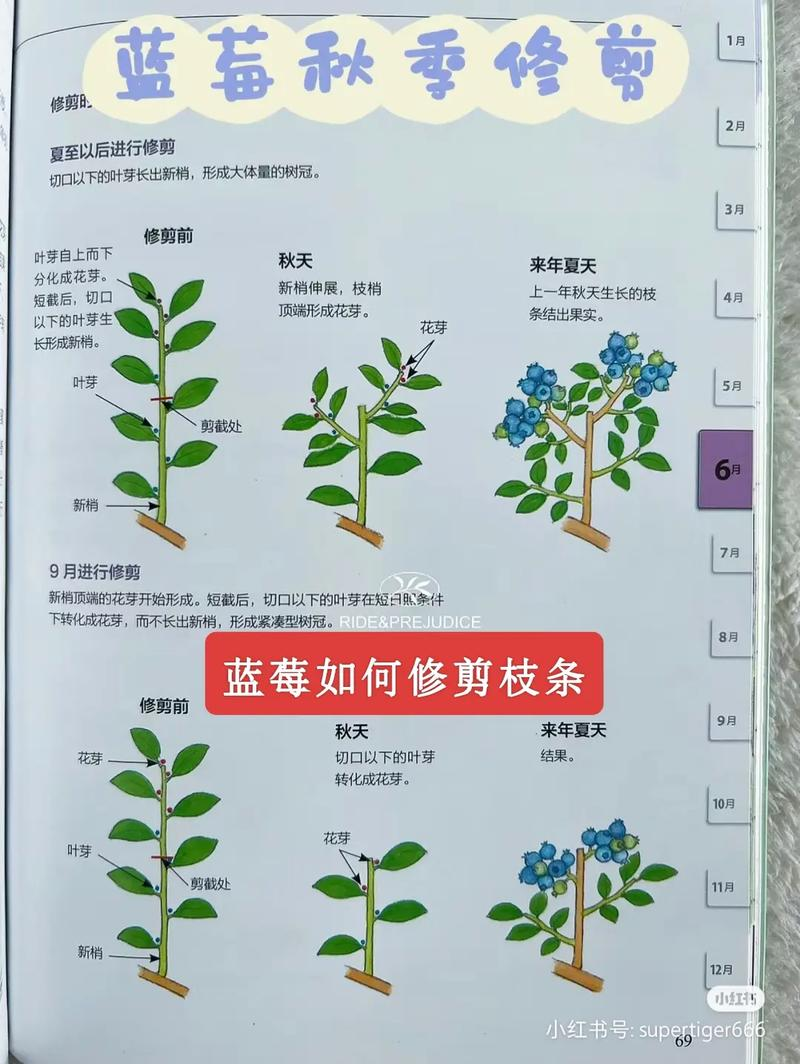
Tight cut. Prior to the early springs, the ground was completely flatted from the plant base and the sawed branches were kept in orchards, which served to cover the soil and improve organic matter。
Blueberry harvest
Short bush blueberry fruit matures more consistently, and early ripen fruits are not easily released and can be harvested when they are fully mature. When the fruit is harvested, the waste branches, leaves, stones, etc. Are removed and packed in containers. The maturation period for high-strength blueberries does not coincide and generally takes 20-30 days, usually once a week. Food from fruit is collected manually and used to process machine harvests。
(according to the net)