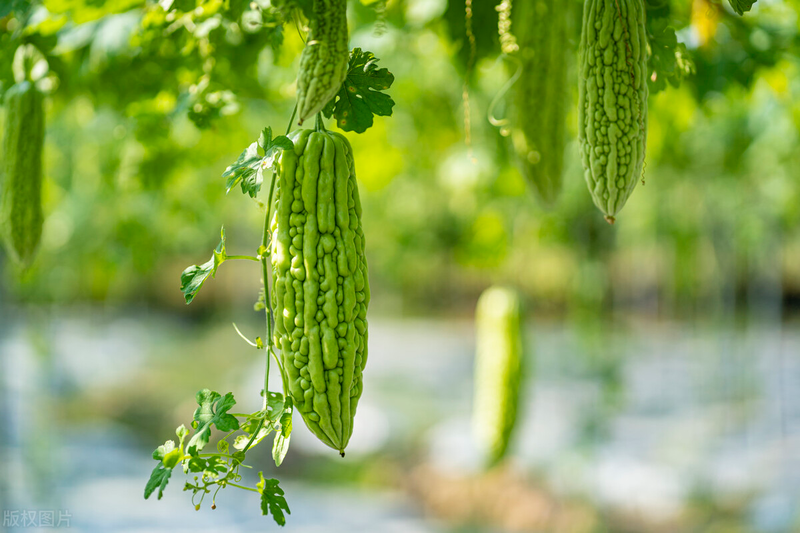
A bitter melon is a vegetable of very high food and medicinal value. Here are some of the basic messages of the poor:
1. The bitter melon is a summer vegetable growing at a suitable temperature of 20°c ~ 38°c and with a long-term life of approximately 4-5 months。
2. The bitter melon is nutritious and contains nutrients such as proteins, carbohydrates, calcium, phosphorus, iron and vitamin c。
3. There are many ways in which a bitter melon can be eaten alive or cooked into a variety of dishes, such as a bitter melon of eggs, a bitter melon of soup and a bitter melon of ribs。
Bitter melons are also of pharmaceutical value and are considered to be able to reduce sugar, lipids, dermal detoxification, etc., and apply to diseases such as diabetes, hypertension, scabies, etc。
5. In planting bitter melons, attention needs to be paid to maintaining soil moisture, rational fertilization and pest control in order to improve the production and quality of the meadows。
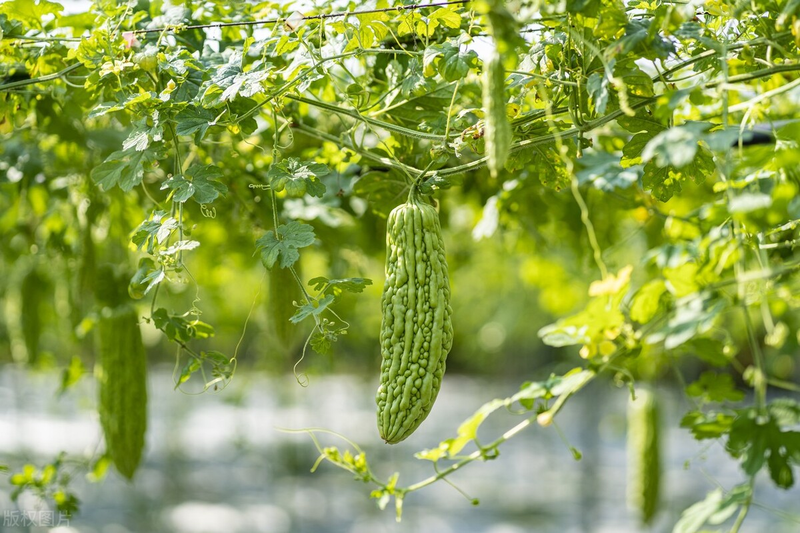
Plantation time
The planting time of the poignant melon varies from region to region, usually during warm seasons. In general, bitter melon cultivation is more appropriate in spring and summer。
Spring planting: in the spring, it is necessary to choose when the temperature is right, and generally between march and may, the temperature is rising and the time for sunlight is increasing in favour of the growth and development of the bitter melon。
Summer planting: in summer, it is appropriate to grow at higher temperatures, usually between may and august. The high summer temperatures favour the growth and development of the bitter melons, but care needs to be taken to maintain the appropriate soil moisture levels, together with pest control to avoid affecting the production and quality of the bitter melons。
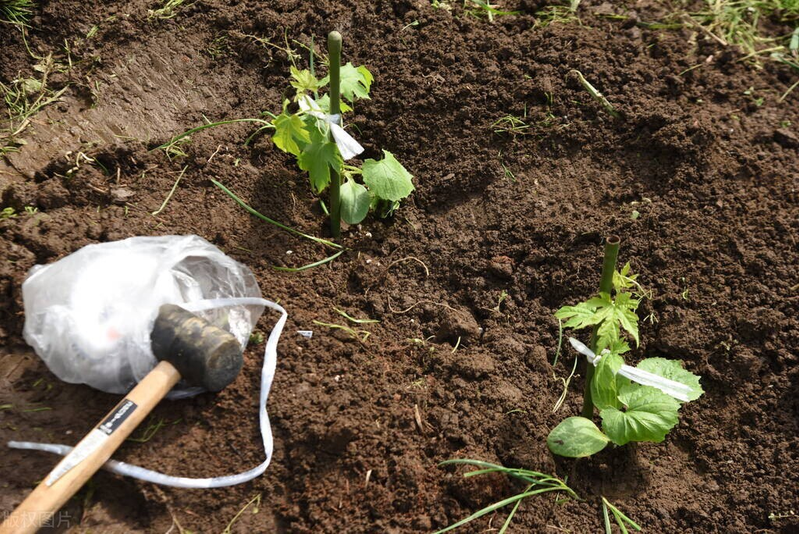
Sowing method
There are two ways to sow bitter melons: direct seeding and post-plantation。
1. Direct sowing: the seed of a bitter melon is distributed directly in the soil of the vegetable garden at a certain distance and distance, and then covers some thin soil. This approach requires the selection of appropriate temperatures and humidity, usually in spring or summer. After seeding, the soil is kept humid, promoting the growth and growth of bitter melons。
2. Post-plantation: the bitter melon may also be given seedlings, which are given to seedlings in greenhouses or nurseries, until the seedlings grow to a certain extent. This can be done at a time when the season is too early or too low, or it can control the growth and quality of the bitter melon。
The following points need to be noted in the planting of bitter melons:
1. Select suitable soil and temperature to provide adequate moisture and light。
Before seeding, bitter melon seeds can be immersed for 3-4 hours at 50°c water temperature, which can help to increase the growth rate of bitter melons。
3. Soil moisture should be maintained after seeding, with appropriate fertilizers and nutrients to promote the growth and development of bitter melons。
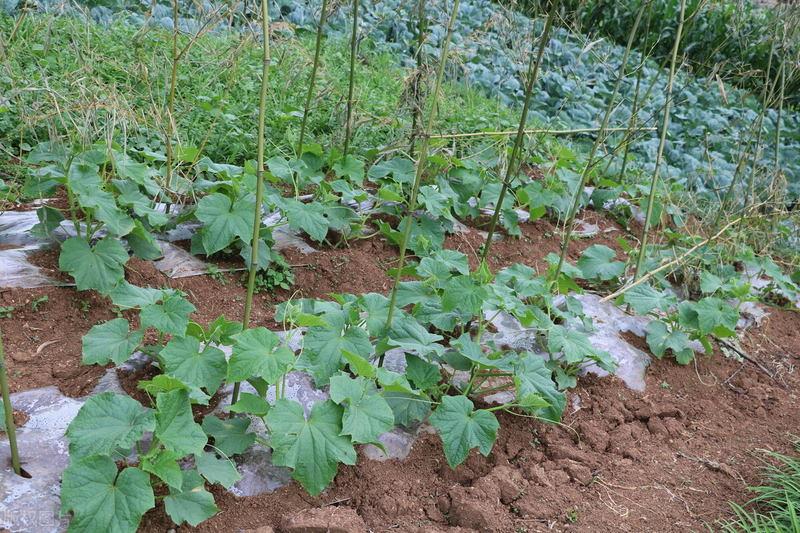
Soil requirements
The requirements for soil are more stringent, and the suitable soil should be fertile, well-drained, soft and rich in organic and trace elements, with ph values in the range of 6. 0-7. 5, with good water retention and ventilation。
In particular, the soil suitable for the draught shall have the following characteristics:
1. Ph is appropriate: the ph should be in the range of 6. 0-7. 5 for the soil where the bitter melon is suitable for growth, and its growth and development may be affected by being too low or too high。
2. Artificial abundance: bitter melon growth requires adequate nutrients, soil should contain organicity, and usually be desirable in fertile sandy or sandy soil。
3. Sufficient trace element content: the growth of bitter melons requires many trace elements, especially zinc, copper and manganese, which should be sufficient in soil。
4. Good drainage: the growth of bitter melons requires good soil drainage to prevent flooding and oxygen deficiency at root。
5. Sufficient water: bitter melons need sufficient moisture to grow, but at the same time be careful not to be overwet in order to avoid root disease。
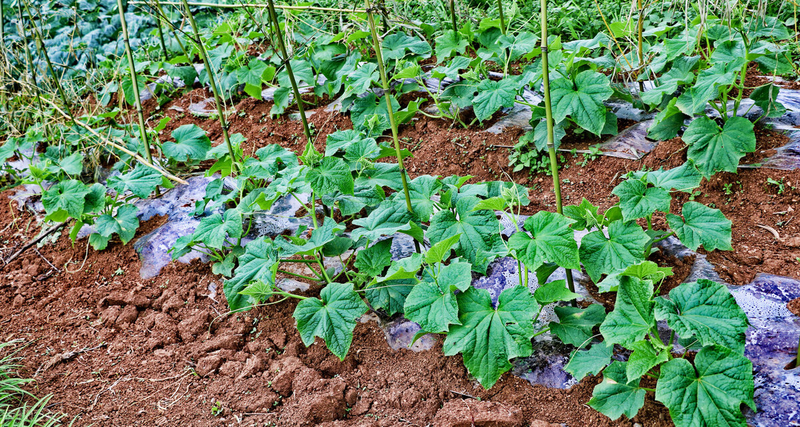
Water
The bitter melon is a water-rich plant and water is important. The following are some of the highlights of the watering of the bitter melon:
1. Determination of the timing of the watering: the radiant light of the bitter, generally better watering time after the first sun rises and after the sun sets. In high-temperature, dry weather, the frequency of water recharge can be increased appropriately。
2. Control of water recharge: the growth of the bitter melon needs to keep the soil wet, but not too wet to cause root disease. When water is used, it is generally ensured that the water is sufficient, but not soaked in the soil as to prevent water retention。
3. Increased water efficiency: the roots of the bitter melon are concentrated in the surface soil and water is recommended for drip irrigation, ditch irrigation, dive irrigation etc., which can be effective in increasing water efficiency and reducing loss of moisture。
4. Strengthening water-water management: during the growth of a bitter melon, the amount of water to be poured must be adjusted in a timely manner in accordance with temperature, humidity, etc., so that the bitter melon cannot remain in a state of drought or overwet for long periods。
To sum up, careful control of the timing, amount and methods of water watering the bitter melon can be effective in promoting its growth and development and improving its production and quality。
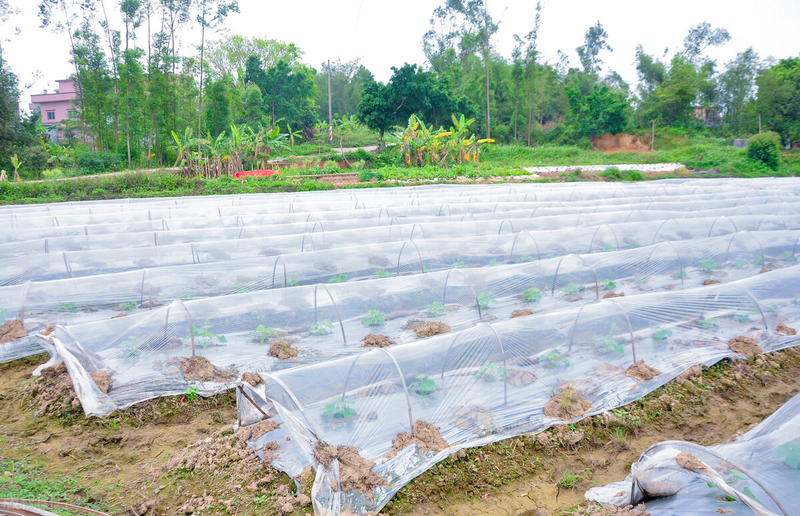
Fertilizing
There are many methods of fertilizing bitter melons, but they should include a variety of fertilizers, such as organic, nitrogen, phosphorus and potassium, as well as the following commonly used fertilizers:
1. Organic fertilizers, such as decomposition, animal manure, straw cover, can provide nutrients and improve soil structures, but they are less effective and should be applied early before planting。
2. Nitrous fertilizers: nitrous fertilizers play a major role in the growth and development of bitter melons and their resistance to disease. A lack of nitrogen fertilizer can easily lead to poor growth of bitter melons, slow growth of fruit and the choice of fertilizers such as urea, ammonium sulfate and calcium melamine。
3. Phosphorus fertilizer: phosphorus fertilizer not only promotes the growth and development of the bitter melon, but also improves its quality. Application may be made using ammonium phosphate, compound phosphorus fertilizer, etc。
Potassium fat: potassium fattening is an important element in the growth and quality formation of bitter melons, which can be applied with fertilizers such as potassium sulphate and potassium chloride。
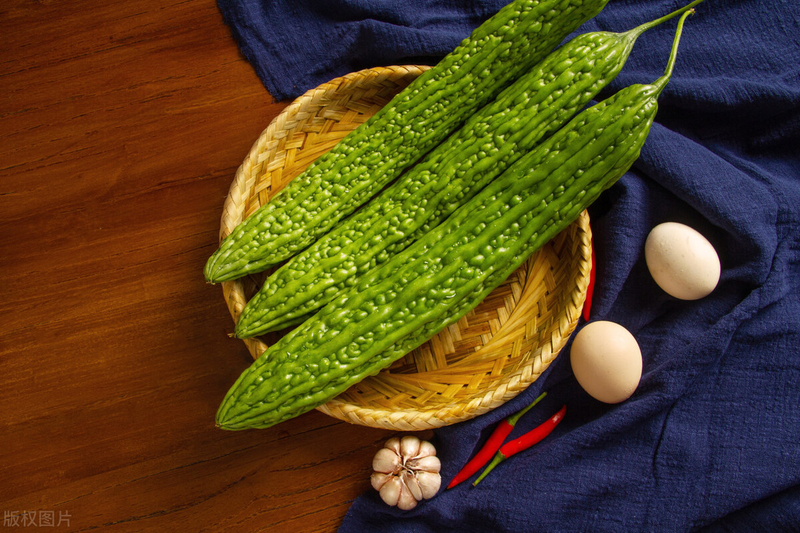
Pest control
The following are some of the main points for the pest control of bitter melons, a vegetable vulnerable to pests and diseases:
1. Disease prevention and treatment: the diseases of bitter melons include, inter alia, frost, anthrax, powder, etc. The following should be noted: rational rotation to control the spread of disease in the field; the use of well-developed bitter melon seeds and healthy seedlings; timely observation and disease control; and the use of chemical agents, spray, microbiological agents, etc。
2. Pest control: the common pests of bitter melons are mainly aphids, bees jumping, white ticks, etc. Pest control should be sensitive to: the cultivation of parasitic predators, such as wedges, bees, etc.; the selection of biological agents with better prophylactic effects; and the implementation of field cleaning and specimen management and the timely removal of pest strains in conjunction with the prevention of bitter meadows。
3. Management measures: it is also relatively effective to combat pests and diseases of bitter melons through scientific management measures, such as control of plant density, improved ventilation and maintenance of appropriate humidity. In addition, protection measures such as sunnets and deworming nets are effective in preventing the occurrence of pests。
In general, the management of pests and diseases requires a combination of physical control, control of the use of chemical pesticides and increased awareness of prevention and management measures to reduce the occurrence of diseases。
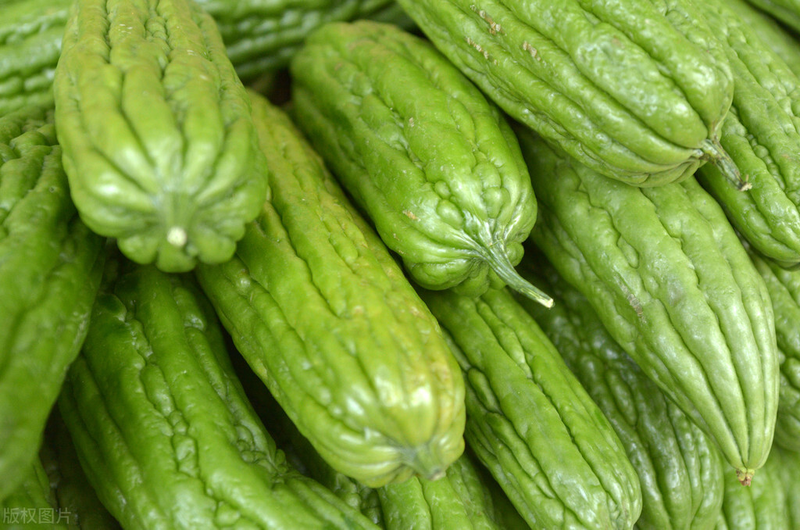
Growth cycle and harvest
The growth cycle and timing of harvests of bitter melons vary according to the variety and culture environment, generally divided into the following stages:
Seeds are sprouts: bitter seed is often sprouts within 7 to 10 days。
2. Precubation period: from germination to the height of 20 cm。
3. Long-term: from 20 cm tall to the whole process of flowering results called long-term。
4. Outcome period: the period from the beginning of the flowering season is known as the result period, lasting about 30 to 35 days。
5. Harvest period: the harvest period varies according to variety and generally takes 45-60 days。
The normal bitter melon is born 60 to 90 days long, and the harvest period begins when the fruit has matured. The maturity of the fruit may be judged by its size, changes in colour, etc. In the process of planting, care needs to be taken to manage rational fertilization, watering, weeding, pest cleaning, etc. In order to improve production and fruit quality。