Oxyx is a common fruit, especially for the fall and winter festival, and now it's the best time to eat oranges, and there's a lot of potential in the nutritious oxyx market, and many people want to go into the oxyx cultivation. Do you know what science management is about? Let's study it next。
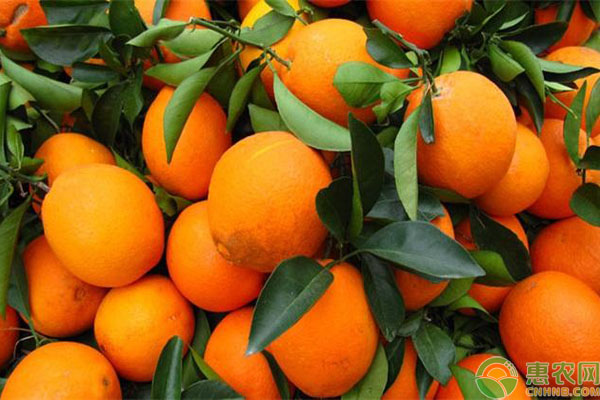
I. Settlements
(c) micro-acid soils with high organic content with good drainage performance, deep and humid soil, with no sources of pollution in the vicinity, slopes below 25 degrees, slopes above 250-400 metres above sea level。
Integrated planning, with a pedestal of 2. 5-3 metres in width, digs caves of 80 x 80 cm long, wide and deep, with a range of 2-3 x 4 m and 55-80 units per acre (667 m2)。
Base fat: 20-25 kg green fat per lacuna, 10-15 kg organic fatty, e. G., 2-3 kg organic fat for gold organisms, and 2 kg calcium per phosphate, fully fermented with gold. After fertilizing the soil, 20-25 centimetres were produced to plant the earth。
Ii. Orchard management
1. Soil management
(1) green fertilizers, soil improvement
The hilly hills are mostly red, yellow and purple sand soils, with soil clay, acid, thinness, permeability, poor water retention and low organic content. As a result, the umbilical orange garden set of green fertilizers can improve the soil structure, continuously improve soil organic and fertility and reduce fertilizer inputs; prevent soil erosion, protect fattening, protect water and combat drought; regulate temperature to promote normal physiological activity; promote the growth of the umbilical orange, significantly improving the yield and quality of fruit products; attract a large number of natural enemies, improve the biological control capacity of the umbilical orange garden and reduce the effects of disease and pesticide use。
This is done by artificially planting the adaptive, fresh grass, short and shallow roots outside the tree plate after weeds have been completely eliminated, in a manner that is conducive to the breeding of grass by the natural enemy of the pests (e. G., weeds, groundnuts, ryegrass, steeds, etc.) or, when weeds are removed from the umbilical orange garden, the main weeds (e. G., dog roots, weeds, vanillas, etc.) fall off, while natural good weeds (e. G., shrubs, dog tails, fragrances, etc.) remain outside the tree plate. Teen-age citrus gardens, small tree crowns, can be used to plant cash crops (e. G. Peanuts, beans, purple clouds, radish, etc.) in rows, which are not suitable for tobacco, maize, watermelon, sweet potatoes, etc。
(2) peak-up conversion
It is usually done annually after three years of planting, and it is done by deep-spreading along the cleavages or the outer side of the previous giraffe, by requiring that walls not be separated and that the damage be avoided. Roots; 50-60 cm wide and 60-80 cm deep in glaucoma; 20-35 kg of organic fertilizer + 5-8 kg of organic weight + composite weight (12-6-12) + 0. 5-1 kg of calcium perphosphate + 1. 5 kg of organic fertilizer applied with full fermentation of golden fungus. The fermentation is required, the fat is on top, the soil is fertilized, and refilled and watered in time。
The den expansion period was combined with the application of the base fertilizer, which generally took place after the autumn of september-november; the unresulted citrus citrus garden, which could take place until mid-november。
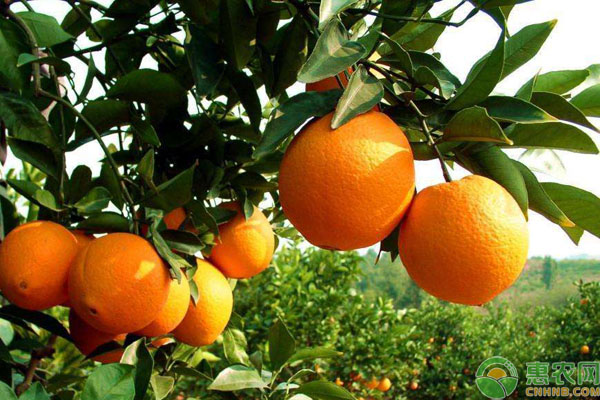
2. Fertilizer management
(1) fertilization of larvae
1 the fertilization of larvae was scheduled for the year. The larvae planted in that year were mainly designed to keep them alive, but their roots were underdeveloped. Fertilizers are used more often than not with hard work and a few times more. From the second half of the season, until mid-august, 40-60 kg/acre per fungular organic fertilization per 10-15 days + 1 group of 2-3 acres, e. G. Gold-planted liquids, with an appropriate re-application of base fertilizers during autumn and winter。
Before the result, the larvae fertilized. The larvae (ages 2-3) uses the principle of hard-doing, predominantly nitrogen fertilizer, in conjunction with phosphorus and potassium fertilizer. 6-8 fertilisations throughout the year, nitrogen, phosphorus and potassium ratio: 0. 25-0. 3:0. 5. In spring, summer, autumn, 10-15 days before or 10-15 days after the birth of spring, summer and autumn, fattening of 1-2kg organic fertilizer is applied to each of them。
After each new cut, one or two fats are followed up and used with a combination of 1 - 2kg organic weight applied to each of the gold-like organisms. As the age of the tree increases, fertilization increases every year. For the next year's hanging fruit tree, appropriate increase in phosphorus and potassium fattening, combined with external fatting, was discontinued after late august。
A deep application of base fertilizer was made during the autumn and winter holidays. 2-3kg + calcium perphosphate + 0. 25-1 kg + compound fat 0. 25-1kg + + + + + + + + + + + + + + > + + + + + + + + + + + + + + + + + + + + + + + + + + + + + + + + + + + + + + + + + + + + + + + + + + + + + + + + + + + + + + + + + + + + + + + + + + + + + + + + + % % % % % % % % % % % % % % of % % % %。
(2) fertilization of fruit trees
Oxygen enters (over seven years) with a relatively balanced nutritional and reproductive growth. The result is that the mother branch is predominantly spring, so fertilizer is focused on spring sprouts and fertilizers, and on the application of fertilizers and the timely replenishment of trace elements. Annual application:
1 spring sprouts. In mid-february, 3-5 kg of organic fattening per application of gold + 0. 3-0. 5 kg of calcium perphosphate combined fertilizer。
2 strong and fat. In mid-june, three to five kilograms of organic fattening + large amounts of elemental high potassium 200-300g per application were applied。
3-based fat. From september to october, winter fermentation was carried out in conjunction with the conversion of caves, with a combination of 30-35 kg of organic fermentation + 6-8 kg of organic fermentation for gold + 1-1. 5 kg of calcium per phosphate。
Four fruit fertilisers. After picking fruit, 1 - 1. 5 kg of organic fattening per application of gold + 0. 5 kg of calcium perphosphate combined fertilizer。
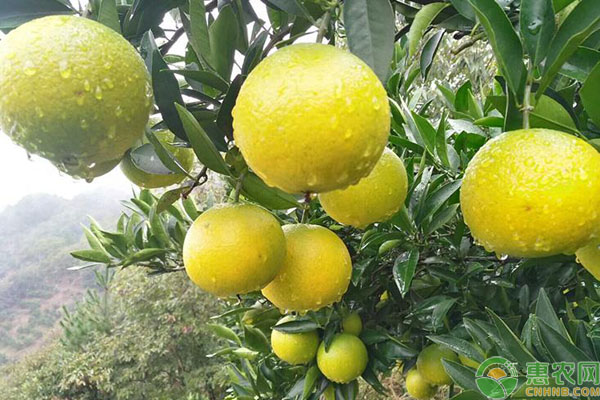
Iv. Pest management
Red spider:
It may endanger the leaves, the fruits, and the fresh leaves, so that they may stoke green new leaves. When red spiders suck in, the leaves are green, unsweet, white, causing leaves to fall and branches to die。
Method of prevention: pyramethrin, dicofrin, fluorocarbide, etc. N. B.: do not use the same agent on a continuous basis for long periods to prevent resistance。
2. Cyclops:
The vermin endangers the leaves, branches and fruits, resulting in yellow leaves, atrophy of trees, a decline in tree positions and prone to coal pollution. The high temperature of the summer and the high wet weather are periods of high infestation, the resistance to drugs is high, the general medicine is difficult to enter and the prevention is more difficult。
The method of prevention and treatment: some of the individual branches or foliages have been given, which can be easily brushed with soft brushes, or combined with trims, cutting out the foliage and leaf. In the case of insecticidal sprays, use can be made of amphibians, ketone, high-efficiency cyanide esters, permethrin, pine resins, etc.; 2-3 times every 7 to 10 days. Phosphates are painted on winter trees。
You may be interested in, and welcome to read, the text of the following recommendations:。