A unique high-altitude climate is highly appropriate for the planting of treasure, with abundant resources of chinese medicine in the mountains of the 100 gardens of the town of megawa, wuju. However, the lack of local technology and marketing has made it difficult for farmers to keep a “green treasure”. The technology agent, li fong, has brought life and hope to the land, making the qingma a farmer's revenue-producing tool。
In 2022, li fong returned to the 100 gardens and went deep into the forest fields of the mountains, carrying out a detailed survey and analysis of the soil, climate and ecological environment, and found that the local natural conditions were very suitable for the cultivation of tungsten and sisma。
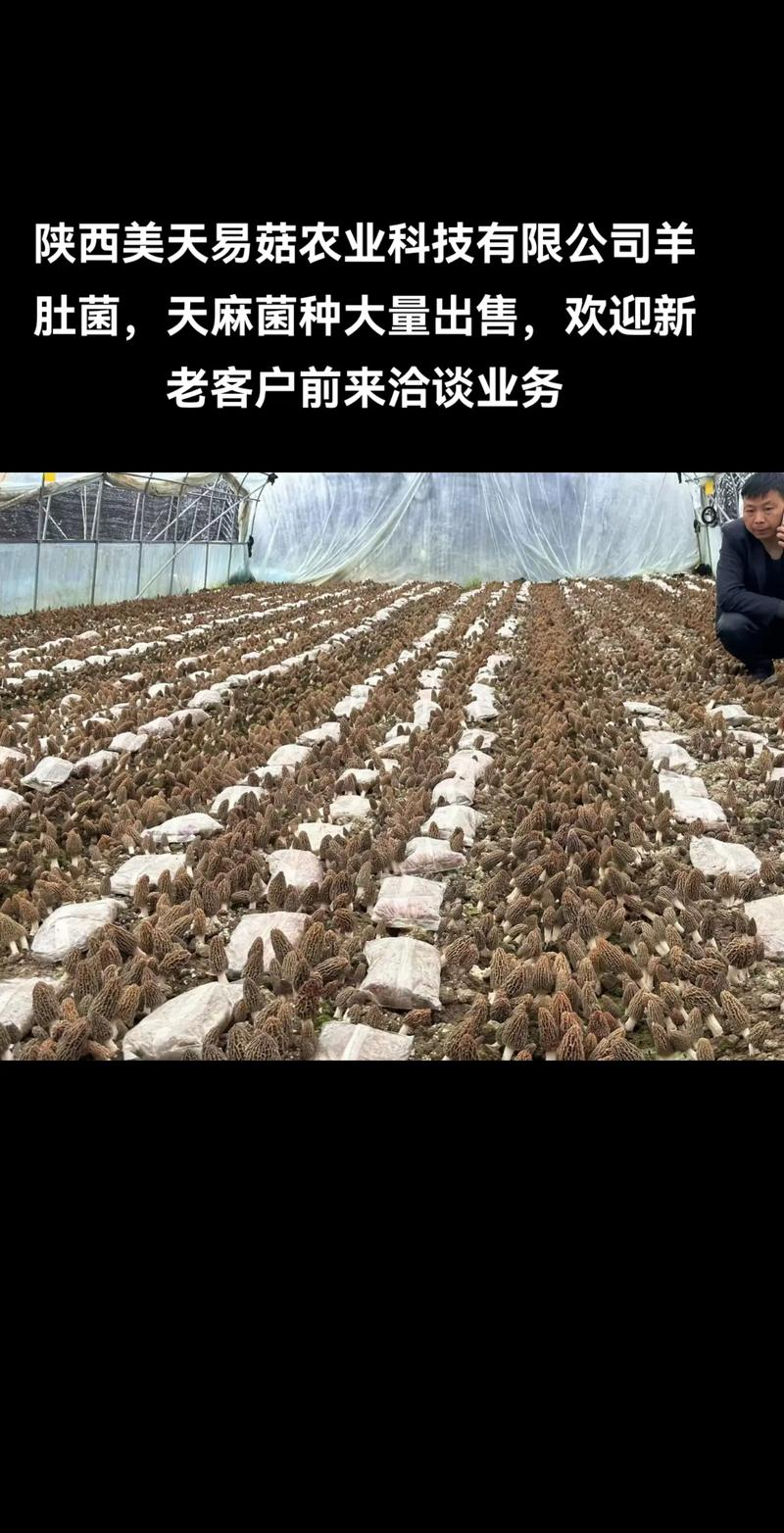
To change the situation, li fong began with technical training. He organized more than 20 training courses on planting techniques to translate deep theory into an easy-to-understand operating method and to teach farmers face to face with hands. From germs to breeding, to sexual and non-sexual reproduction techniques, he speaks and demonstrates them in every instance. He stressed the importance of the selection and treatment of bacteria in pyrotechnic cultivation, guiding farmers in the selection of quality pines and ensuring that the bacteria provided sufficient nutrients through rational logging and drying. With regard to tima cultivation, he gave detailed instruction on the symbiosis of honey circulosis with tima and on the development of high-quality honey circulosis strains to equip farmers with high-yielding key technologies。
On the basis of the terrain and soil conditions of the local landscape, li fong is planning rational planting areas for farmers, helping to design standardized shades and drainage facilities and creating a good growth environment. At the same time, he introduced advanced green-control techniques for pests and diseases, using physical and biological control, to reduce the incidence of pests and diseases, reduce the use of chemical pesticides and guarantee the safety of the quality of medicines and sustainable ecological development。
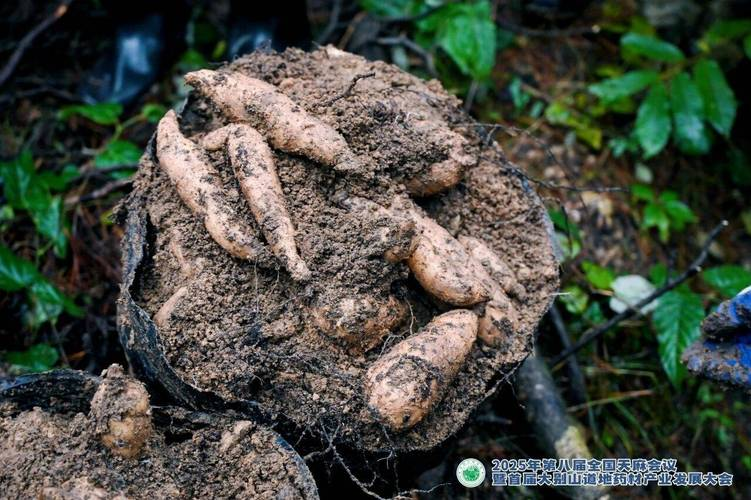
To address the practical problems of farmers, li fong has established a platform for technical services that combines online and offline. Questions are answered on the line by micro-letter and telephone at any time; under the line, in-theatre field patrols are conducted on a regular basis to detect and resolve in a timely manner issues such as scavenging cellars and the growth of cynic malformations. During the harvest season, he guided farmers to take the best opportunity to use scientific harvesting methods to avoid losses. Under natural conditions, he had set up a processing plant in wang sheng village, where he had been drying the tung-ting and processing it and selling it to large markets of medicine, such as yuzhou and the state of angola。
It is understood that since 2024, li fong has been a technocratic attaché, which has provided technical services to professional cooperatives working in rural farming at the top of the city of wucheng, conducting 17 technical training courses, training more than 500 people, training 13 technical cadres and collecting more than 800,000 yuan for cooperative farmers. He demonstrated 400 acres of medicinal products for cooperative farmers, with 60 new jobs, to help clients earn an annual increase of 20,000 to 30,000 yuan。
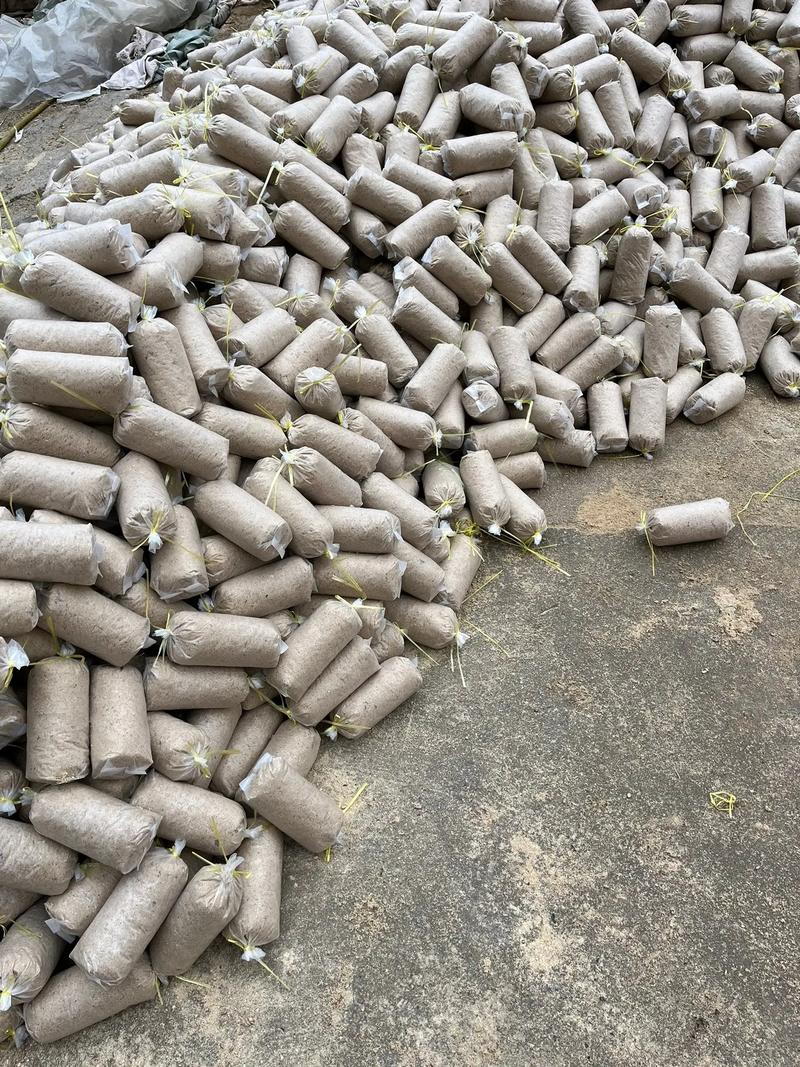
With the widespread expansion of cultivation techniques, the quality of local production has improved significantly and the benefits have increased, gradually bringing together the farmers of fanghong village, the village of may, the village of lingshan and the village of zhao joon village in megawa town, with the establishment of six cultivation bases and a processing plant. Today, local farmers are turning to wealth through typhoid cultivation。
The technologist, li fung, has dedicated his expertise and tireless efforts to write an exciting chapter on this land on science and technology to support farmers' incomes, making tsing-ming a “swirl of money” for farmers to inject strong scientific power into rural renewal。