The recent incident of ms. Lee in zhengzhou, who had been forced to pay for the elevators because she lived on the first floor, had been sued in court by the property industry and had lost her money. It's a matter for many to wonder: i can't live on the first floor more than once a year, why do i have to pay the same money as a senior owner? But turning over the judgment, the court's reasoning is not complicated at all: the elevator is a “public organ” of the entire building, just as the heart does not give blood to a few organs, and you cannot refuse to keep it because you use it less。
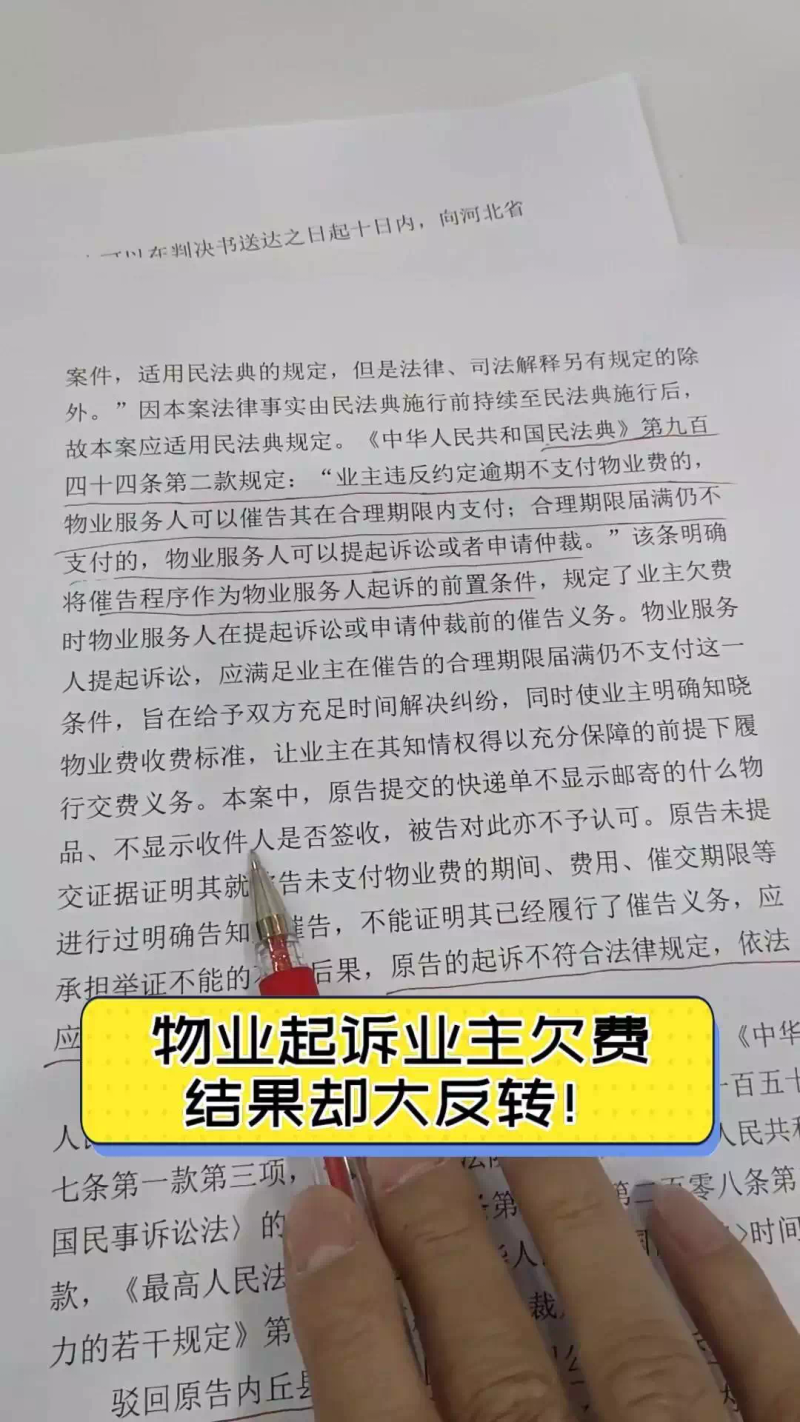
It may be felt that this decision is not personal, but the text of the law is clear and clear. Article 273 of the civil code states that the owner has both rights and obligations with respect to the communal portion of the district and cannot “vote by foot”. This was the case of ms. Xu of beijing futai, who refused to pay $6836 for her property on the grounds that she was “not able to use the elevator on the first floor”, and the court decided to pay the full amount. More interestingly, a similar case was decided in beijing as early as 2009, when mr. Koo's reason for losing the case still sounded strong: “the elevator is not a shared bicycle, it can't only be cleaned”
The contradictions in reality are often more complex. Ms. Qingdao refused to pay $20,000 for the elevator, not only to lose the case but also to pay $3,000 for the breach of contract; lee, the owner of the second floor of kao shui shui county, was brought before the court for the 400-dollar premium, when the judge stated that “the elevator service was not customised for a particular floor”. In the most extreme cases, property was used to force the owner of the first floor to pay $50,000 plus charges, which directly cut off household water. Behind these conflicts is actually a central issue: how is the cost of elevators even reasonable? It has been proposed to charge the number of times used, but lawyers generally shake their heads. Counsel for zhidong shanxi calculated that the cost of installing sensors and constructing back-office systems might be higher than the cost of maintaining the elevator itself. Besides, visitors and couriers use elevators, so they can't pay for the scan, can they? Even more troublesome is the “window breaker effect” — today the first floor is closed, tomorrow the second floor is less useful, and the last elevator maintenance of the entire building becomes a problem. Just like a small district in beijing's hoangyang district, the elevator stopped for three weeks because of the refusal to pay maintenance fees on the first floor, the senior elderly had to climb the building and finally the owner of 602 paid $2237 to resume operations. However, local policies are changing. In guangzhou, a zero-cost rate was set for the first floor when the elevators were installed, harbin made it clear that the first floor of the ground floor was in principle free of elevator fees, and jan county even checked for non-compliance charges. A section of the wuhanhong mountains is smarter, allowing first-floor owners to use public area access rights to offset elevator fees, both to maintain equity and to avoid conflict. These cases are in fact a wake-up call for a more flexible distribution formula, rather than a question of whether it should be paid, rather than looking at property contracts at the time of purchase or negotiating a more flexible distribution formula through a general conference of owners. After all, the elevator operated safely and ultimately benefited the owner of the entire building。