The working principles of the vacuum debugger
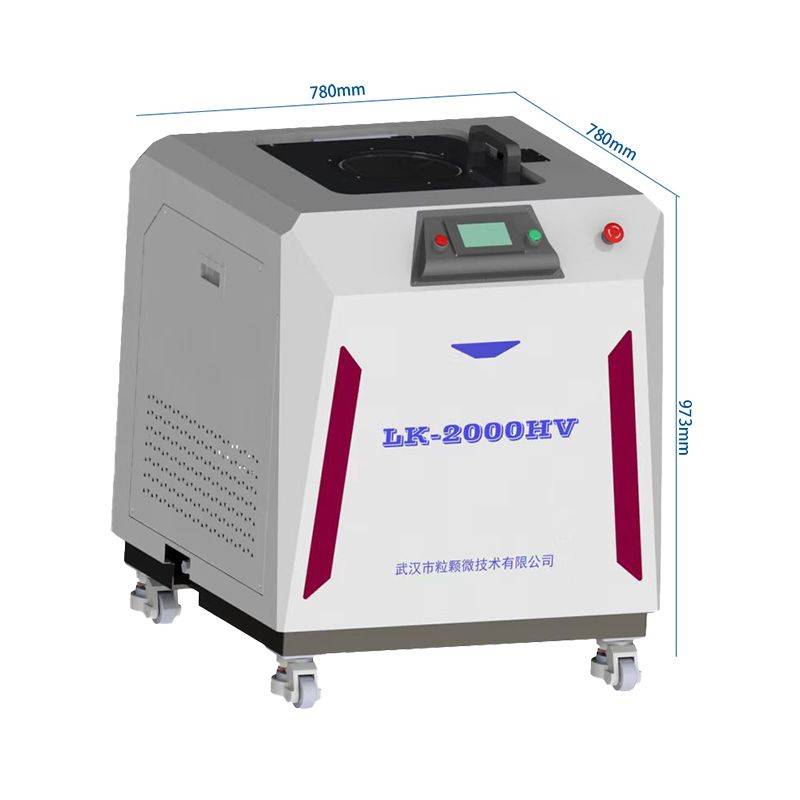
Vacuum debuggers are specialized equipment that is widely used in the chemical, electronic, pharmaceutical, food and other industries, mainly to remove bubbles from liquids or slurry while achieving even mixing. By combining the two effects of vacuum environments and mechanical mixing, the equipment has effectively addressed bubble problems in the preparation of many materials, improving product quality and performance。
Basic composition of equipment
The vacuum debugger consists mainly of the following core components:
1. Combination packagings: generally stainless steel, with good sealing and corrosive resistance, for material to be disposed of。
2. Combination systems, including electrics, speed-reducing machines, mixing axes and mixing oars, which provide mechanical mixing。
Vacuum systems: composed of vacuum pumps, vacuum meters and vacuum pipes, which are used to create and maintain the required vacuum environment within the packaging。
4. Heating/cooling systems: some units are equipped with temperature control devices that can regulate the temperature of materials according to the process requirements。
5. Control systems: modern equipment is mostly controlled by plc or microcomputers, which can accurately set and regulate parameters such as mixing speed, vacuum, time, etc。
6. Safety protection devices: including pressure sensors, overload protection, etc. To ensure the safe operation of the equipment。
Ii. Examination of the methods of work
1. Vacuum deflation principles
The core of vacuum deflation lies in the use of low-pressure environments to change the physical condition of bubbles. According to henry's law, the solubility of gases in liquids is proportional to pressure. When system pressure is reduced:
- the gas dissolved in the liquid begins to dissect
- existing bubbles swell
- increased internal and external pressure of bubbles, causing bubbles to break or float
In a vacuum environment, bubbles are subject to increased buoyancy and are more likely to rise to the surface of the liquid and break. At the same time, lower environmental pressures reduce surface tension of liquids and further contribute to the release of bubbles。
2. Mechanical mixing
The mixing system plays a number of roles during the debble process:
- dispersion: the shears generated by the rotation of oars break the atmosphere into tiny bubbles, increase the surface area of the bubble and speed up the deflation process。
- convection: forced convection resulting from mixing causes the material to be evenly mixed, avoiding local concentrations or temperature differences。
- alteration of surfaces: the mixing continues to bring deep liquids to the surface, increasing the exposure of internal bubbles to vacuum environments。
The mixing rate needs to be optimized according to the material properties, which may result in secondary bubble formations and too low mixing。
3. Cooperative working mechanisms
The synergy between vacuum and mixing is key to the efficient deflation of equipment:
1. Commencement of a mixing system to equalize the initial mixing of materials。
2. The vacuum pump is then activated and the pressure within the container is gradually reduced。
3. In a vacuum environment, mixing contributes to the rapid release and discharge of bubbles。
4. Maintain a vacuum mix for a certain period of time to ensure full deflation。
5. Slow release of the vacuum and completion of the debugger process。
This phased working model ensures both a bubble effect and avoids material spatters or boiling problems。
Iii. Control of process parameters
The effects of vacuum debunkers are influenced by several parameters:
1. Vacuity: usually between -0. 095 ~ - 0. 1 mpa, excessive may lead to volatilisation of low boiling point components。
2. Blending speed: based on material viscosity, generally within 20-200rpm。
Processing time: from minutes to hours, values are to be determined by experiment。
4. Temperature control: appropriate warming can reduce viscosity, subject to the heat sensitivity of the material。
5. Gradient order: for multi-assembly subsystems, the addition sequence may affect the end effect。
Iv. Applications
Vacuum debuggers are widely used in several industries:
1. Electronics industry: preparation of electronic chemicals such as conductive glue, sealed materials, optical glue, etc。
Chemical industry: production of highly demanding chemical products such as glues, sealants and coatings。
3. Pharmaceutical industry: preparation of pharmaceutical preparations such as plasters, gels and emulsions。
4. Food industry: degasting for foods such as sauce, spices and candy。
5. New energy sector: lithium cell slurry, even mixing of photovoltaic materials and debuggering。
V. Technological advantages
The vacuum debugger has a clear advantage over the traditional mixer:
1. Flow-out effects are good: micrometer class bubbles can be removed and bubble residue rates below 0. 5%。
2. Mixed evenness: stratification and deposition were avoided and product consistency was high。
3. Process controllability: parameters can be accurately adjusted to different material requirements。
4. Production efficiency: reduction in the time required for traditional static ejection。
5. Broad scope of application: from low viscosity liquids to high viscosity ointments。
Vi. Trends
As material science advances, vacuum debuggering technologies continue to evolve:
1. Smart control: introduction of ai algorithms to optimize process parameters and achieve self-adaptation。
Multifunctional integration: a combination of decentralized, grinding and reactional functions。
3. Green energy conservation: developing low-energy-consuming vacuum systems and reducing carbon emissions。
4. Nanomaterial applications: adapted to special requirements for the preparation of nanomaterials。
5. Online monitoring: integrated bubble detection sensors, real-time monitoring of debugger effects。
Vacuum debuggers, through their unique working principles, address bubble problems in a wide range of industries and become essential equipment in modern industrial production. As technology progresses, its areas of application and performance will be further expanded and upgraded。