The use of chillers has gradually increased in life, but there is some doubt as to what a chiller is. And what does the heater do? Can it replace the air conditioner? This is a short time to tell you how the heater compares with the air conditioner。
The cooler (evaporation cooler) cooler principle is that when the winder operates, negative pressure is generated into the cavity, resulting in excessive humid flow of wet curtains outside the air, forcing the dry ball temperature that passes through the air to decrease to the wet ball temperature close to the air outside, i. E. The dry ball temperature exported by the chiller is 5-12°c below that of the outdoor dry ball (up to 15°c in the dry heat zone), and the air is dryer and hotter, the temperature difference is higher and the temperature is better. Since air is always imported from the outdoors, it is possible to keep indoor air fresh (at this time called a positive pressure system); at the same time, using the evaporation cooling principle, the machine has the dual function of cooling and damping (relative temperatures of about 75 per cent) and is used in workshops such as textiles, knitting, etc., which not only improves the conditions for cooling and humidification, but also cleans the air, reduces the needle break rate in the needle swirling process and improves the quality of needle textile products。
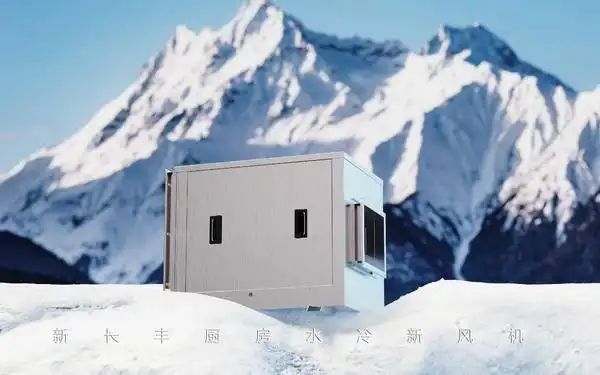
Small chiller
The heater is a combination of ventilation, electric motors and heaters. The various types of workshops that allow recycling in the air may be used for recycling air heating when the air is free of dust and flammable gases. It consists mainly of air heaters and wind machines, which heat up the air heaters and then send them out, so that indoor air temperatures can be regulated. Air heaters consist of spiral wings. For example, a steam-type heater with a heat-discretion tube is surrounded by aluminium-banded special equipment at a wall thickness of 21. 5 seamless boilers at a distance of 2. 5 mm, a drain and heat-media flow pipe is the overall welding structure and the working pressure of the heater is below 0. 8 mpa。
Energy efficiency
(b) energy efficiency ratio: 1:1 , 1,000 watts of electricity consumed to produce 1,000 watts of heat, suitable for local heating only, with little effect on improving the temperature of the room as a whole and poor comfort。
(b) energy efficiency ratio: 1:3, 1,000 watts of electricity to produce 3,000 watts of heat, which improves the temperature and comfort of the entire room by 20 degrees。
Energy efficiency
Compared to air conditioners, it has many advantages in terms of environmental degradation, energy conservation, temperature and ventilation! One fifth of the energy consumed is air conditioning, which is indoor and outdoor air flow and does not in itself produce air pollution; because it is a cooling purpose for evaporated filtration by water through wet curtains, it is brought into the room by wind machines, so it cools quickly!
This is a brief description of the basic elements of a chiller, and it is hoped that if there are problems or doubts in choosing whether to use an air conditioner or a chiller, it will help you。