In modern commercial kitchens, the air system is no longer a support facility but an important link in determining kitchen efficiency and security. As the catering industry moves towards scale and intelligence, the selection of a new wind system for the kitchen becomes a key issue that many enterprises must focus on during the construction phase. The advantages and disadvantages of a new wind system have a direct impact on the air quality of post-cooking, the temperature effect and the work experience of staff。
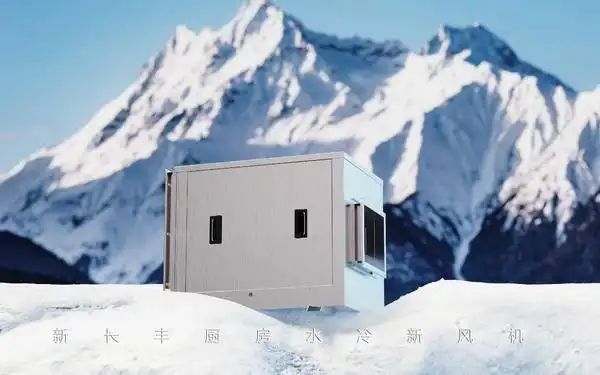
Traditional wind and water coolers are the two most common types of equipment. Both are capable of air circulation, but there are significant differences in rationale, effectiveness and application. Understanding these differences is the first step in science selection。
I. Rationale for the new wind system in the kitchen
The main task of the new wind system in the kitchen is to filtrate the outdoor air into the room and to balance it with the smoked system。
Owing to large amounts of heat and smoke generated within the kitchen, the air flow imbalance is prone to negative pressure, resulting in plumeing or air mixing. Therefore, a rational new wind system must combine three core functions: ventilation, cooling and balancing air pressure。
Traditional wind machines are designed to replace air mainly by mechanical wind delivery, while water coolers add evaporation cooling and air purification links during wind delivery, so that indoor air is not only fresh but also effective in cooling and dust removal。
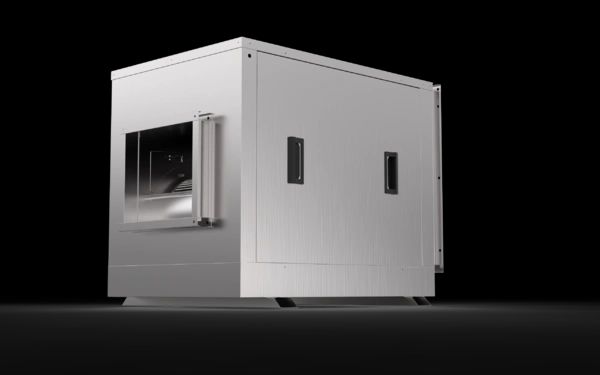
Ii. Characteristics and limitations of traditional wind machines
Traditional wind machines are relatively simple and usually consist of wind leaves, electrics and wind cylinders, which rely on power to transport outdoor air directly to the interior. The advantages are that they are low-cost, easy to install and simple to maintain, and are therefore widely applied to kitchens and ventilation sites over time。
However, traditional wind turbines are clearly shortboarded in the commercial kitchen environment. First, it can only transport air and cannot cool or purify it. When outdoor temperatures are high in the summer, hot air delivered into the kitchen increases the heat load and makes the kitchen environment more hot. Second, the conventional wind machine delivers large amounts of wind, but the wind pressure is unstable and prone to wind decay as a result of wind resistance or negative pressure changes, resulting in inadequate wind recharge. Furthermore, the direct entry of air into the kitchen without treatment carries dust and particles and increases the clean pressure of the oil-smoke system。
Traditional wind machines are suitable for sites with a mild climate, small kitchen area or low ambient temperature, but for large, high-intensity, man-intensive kitchens, the dual need for comfort and energy conservation is difficult to meet。
Iii. Advantages and technical principles of water coolers
Water coolers are technical upgrades based on traditional ventilation systems. It uses the evaporation cooling method to evaporate outdoor air through the wet curtain evaporation system. Thermal heat in the air is absorbed in contact with moisture, thus achieving physical cooling. The treated air is then sent into the room, not only with a marked decrease in temperature, but also with a filter of dust and fine particles to keep the air clean。
In practice, water coolers can reduce outdoor air around 30°c to between 23 and 26°c, reducing overall kitchen temperature by 5 to 8°c. At the same time, the system continues to remediate, effectively balancing negative pressures, increasing smoke discharges and making the kitchen air cycle smoother。
In terms of energy consumption, water-cooled new wind machines rely mainly on water evaporation to cool, consume much less energy than conventional air-conditioning equipment and are more energy-efficient and environmentally friendly than simple wind carriers. The operating cost is only about one fifth to one tenth of the air conditioner system, which is particularly suited to the special environment of the kitchen, which is high-heat, high-wet and high-smoking。
Core differences between water coolers and traditional wind machines
In terms of technical structure, traditional wind machines are a single mechanical wind delivery device, while water coolers are complex systems that incorporate wind, cool, cleanse and balance air pressure. The former addresses air flow, while the latter achieves a combination of improvements in air quality and temperature。
In terms of cooling effects, traditional wind machines can only send external hot air indoors and cannot mitigate high kitchen temperatures, while new water coolers can effectively reduce wind temperature by evaporating cooling, bringing kitchen temperatures closer to comfortable areas。
In terms of energy efficiency performance, the conventional wind engine is more powerful and energy-intensive, while the water cooler, new winder, relies on the water cycle system for cooling, with lower unit energy consumption and significant energy efficiency。
In terms of air cleanliness, traditional wind machines have little filtering and can easily introduce dust and impurities; new water coolers with multi-stage filtering systems can remove suspended particles and odor from the air and improve the kitchen air environment。
In terms of long-term maintenance, while traditional wind machines are simple to maintain, the inability to cool and filter often requires additional equipment. While the water cooler is more complex in structure, maintenance is less frequent and has a longer useful life through modular design and debunkable structures。
V. How to scientificly specificly promote the applicable new fower system
When selecting a new wind system for the kitchen, the size of the kitchen, the heat load, the structure of the wind channel and the intensity of the ventilation are identified. For sites with large space, high soot concentrations or long-term high kitchen temperatures, priority should be given to the installation of new cooler wind systems to meet both ventilation and cooling needs. For small kitchens or cool areas, traditional wind machines may be selected as a basic wind-remediation programme, provided that they are equipped with a reasonable smoke-discharge system to prevent negative pressure imbalances。
Second, care should be taken to match the wind pressure of the equipment with the wind volume. The kitchen windways are usually long and convoluted, and a lack of wind pressure leads to wind failure. It is recommended that the total wind barrier be calculated at the design stage on the basis of the kitchen condition and that the machine with a static pressure above 350 pa be selected。
In addition, materials and preservative performance are as critical. For wet kitchen environments and oily fumes, priority should be given to metal bodies with oil-resistant, rust-resistant coatings to ensure long-term operational stability. For the high-humid areas of the south, consideration should also be given to the introduction of automatic drainage and circulatory water purification to prevent problems of dust and odor。
Finally, post-sale security cannot be ignored. Kitchen equipment is frequently operated and electrical appliances, pumps, spray systems, etc. Are vulnerable components. The selection of brands with well-developed after-sale systems and spare parts supplies could significantly reduce downtime risk and maintenance costs。
Concluding remarks
The core objective of the new wind system in the kitchen is not only to regenerate, but also to create a safe, cool and clean working environment. Traditional wind machines are still useful in general locations, but their single-wind delivery model is no longer sufficient in the face of high temperatures and humidity in large kitchens. New, long, water-rich, cold, new wind machines are gradually becoming the mainstream choice for a new wind system for commercial kitchens with the advantages of cooling, filtering and energy conservation。
For catering enterprises, the rationalization of new wind systems not only improves the work experience of staff, but also reduces energy consumption and prolongs equipment life. The choice of science and the design of norms are key to achieving a truly stable and efficient operation of the kitchen ventilation system in the long term。