Screening is carried out for populations at high risk of a disease but without any symptoms (see also). Screening allows doctors to detect diseases early and begin treatment early. Early treatment can sometimes prevent a fatal outcome from disease. For example, cervical or colon abnormalities can be diagnosed and cured before cancer changes。
Screening projects have significantly reduced the number of deaths caused by a number of diseases. For example, cervical cancer, once the most common cause of cancer among women in the united states, has declined by 75 per cent since the prevalence of cervical cancer screening in the 1950s. However, the decrease varies from region to region, depending on the type of disease, availability of screening and affordability, among other factors. Screening also detects incurable diseases and treats them before they have serious consequences (e. G. Hypertension)。
Screening recommendations usually come from government or professional organizations and are based on the best available research results, such as those of the united states working group on preventive services. However, different organizations sometimes make different recommendations. There were different suggestions, since even the best research results were not necessarily decisive. In addition, screening recommendations must take into account the risks and costs that people are willing to accept, but these factors cannot be determined. Decisions on screening are therefore always based on individual circumstances. The patient should discuss the screening with the doctor to determine the best way to do so。
It may be thought that any test that detects a serious disease should be carried out. Screening can bring great benefits. But it also raises questions. In some cases, for example, screening results for health patients are positive. Some of these persons are then subjected to additional follow-up examinations and/or treatment, which are unnecessary and often costly and sometimes cause pain or danger。
Also, in some cases, the detection of abnormalities is untreated or does not require treatment. Prostate cancer, for example, is often slow to grow, so it may not affect the health of older males until they die from other causes. In such cases, treatment may itself be more harmful than disease. Another example is the use of all-body computer fault scans (ct) to screen everyone for cancer. This approach is not usually recommended, as its benefits (e. G. Saving lives) are not greater than the risk (e. G., in the case of diseases caused by radiation exposure, including cancer). In addition, when people are told that they may be suffering from serious diseases, they often become anxious, which affects health。
On the basis of these, screening is only recommended for:
Some screenings (e. G. For cervical and colon cancer) should be recommended to all persons of a given age or sex. For those at increased risk due to other risk factors, earlier or more frequent inspections than the general risk population are recommended, or additional inspections may be recommended. For example, if the patient has a family history of colon cancer or suffers from a disease that increases the likelihood of rectal cancer (e. G. Ulcer colonitis), screening of colonoscopy is recommended to be more frequent than normal for the general risk population. If a woman has a close relative with breast cancer () it is recommended that breast cancer be screened through mri, in addition to breast x-ray photography。
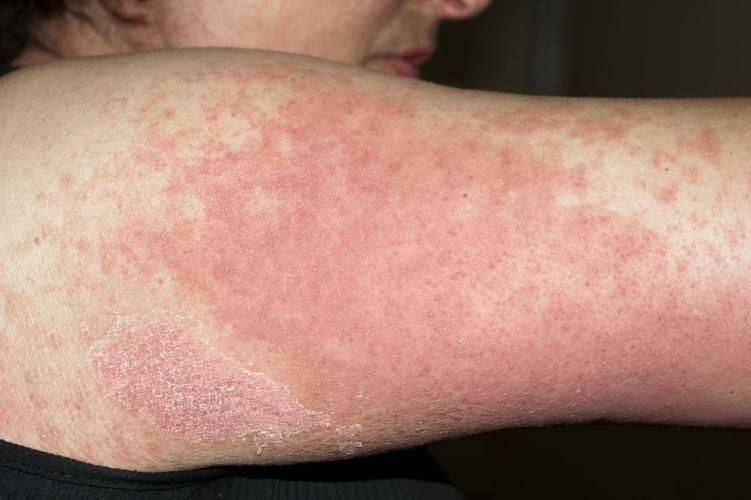
Some screening measures are recommended to people with specific diseases. For example, diabetes patients should check their feet for red and ulcer at least once a day, which, if ignored, could lead to serious infections and eventually amputations。