Many people have the impression that ants are simply “move, carry food, unite”。
But small ants are actually one of the smartest, most disciplined, most intelligent creatures on earth
Today, we have 30 super cold ants. 90% of the people don't know one
I. Cold knowledge of physiological structure (1-7)
1. Ants have no lungs: air spreads through small holes to all-body cells, relying directly on the gas door + pipe system on both sides of the body。
Ants have no ears: they “hear” ground vibrations and low-frequency sounds from a vibration sensor with legs and feet。
3. Most ants have very poor, if not non-observed, eyesight: species such as marching ants are completely blind and are guided by tentacles and communication。
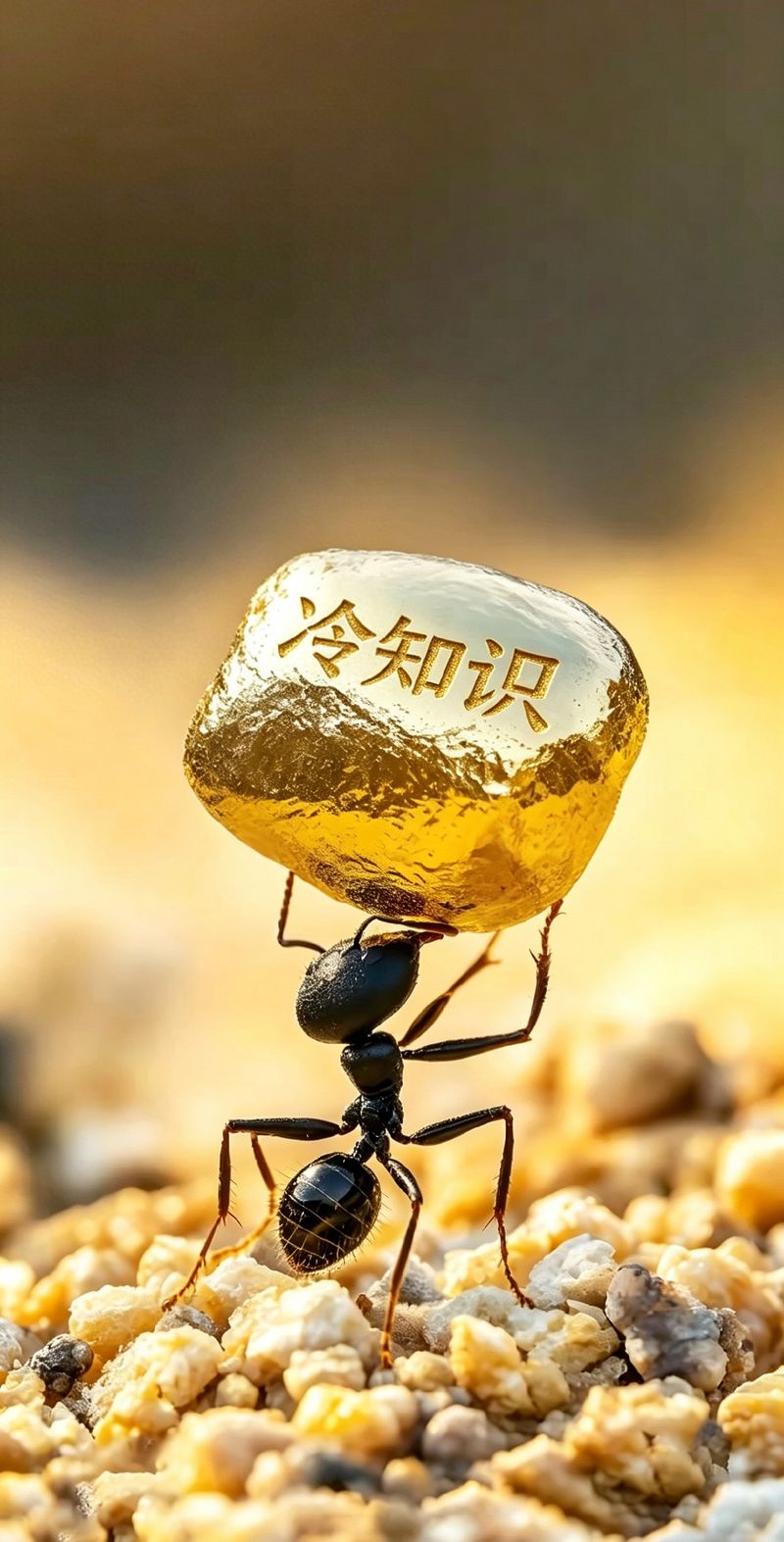
Superweight gift: an object capable of carrying its own weight 10 to 50 times the weight of the body, and the external bone + muscle leverage structure is key。
5. Unique sleep patterns: approximately 200 fragmentations (about one minute each) per day for workers and longer ants; some hibernate for four months。
Super strong water-resistant pseudo-mortem technique: surface wax + low metabolism false death, capable of survival in water for hours to days, or even “restoration” within 24 hours。
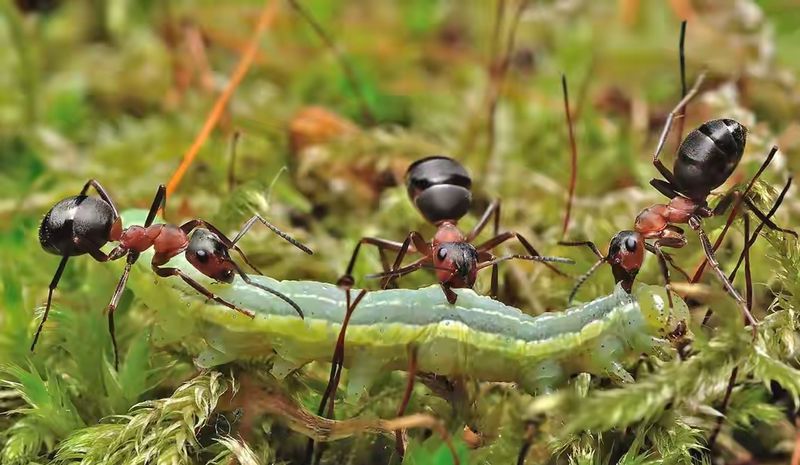
7. Total deviant development: through four stages of larvae over a lifetime, larvae are unable to feed themselves and feed themselves by working ants。
Social and division of labour knowledge (8 - 14)
8. Ant class is determined by larvae food: when high-protein food is developed as an ant, the general food is developed as a working ant/male, with a natural division of labour rather than training in the day after tomorrow。
9. Worker ants are largely sterile: most work ovaries are degraded, and the entire colony usually disappears within months after the death of the queen。
10. Males are responsible only for mating: they die very quickly after marriage, usually with only a few weeks of life, and are not involved in labour for a lifetime。
The queen is the champion of the insect community for longevity: ordinary queens can live for more than 10 years, and some varieties can live for 20-30 years, with special anti-age genetic repair mechanisms。
There are “slaved ants”: slavery ants invade other nests to take larvae and then hatch to force them to work for their own communities。
Military ants have exclusive defence skills: some of them use their heads to block entrances to their nests, and the distaste of their glands when they encounter enemies。
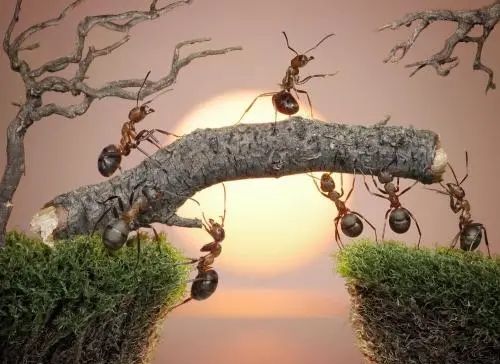
Ants are “super-organisms”: a single ant cannot survive. The whole group is like a whole living body, making collective decisions about feeding, nesting and migration。
Exchange and navigation cold knowledge (15-19)
“write signposts” by infophers: feeding leaves chemical traces and peers identify routes by tentacles, while releasing warning informers to transmit dangerous signals。
16. Solar oscillation + steps counter navigation: desert ants can return to their nests by calculating the number of steps, the angle of the sun and the line of the geography, and are virtually unscathed。
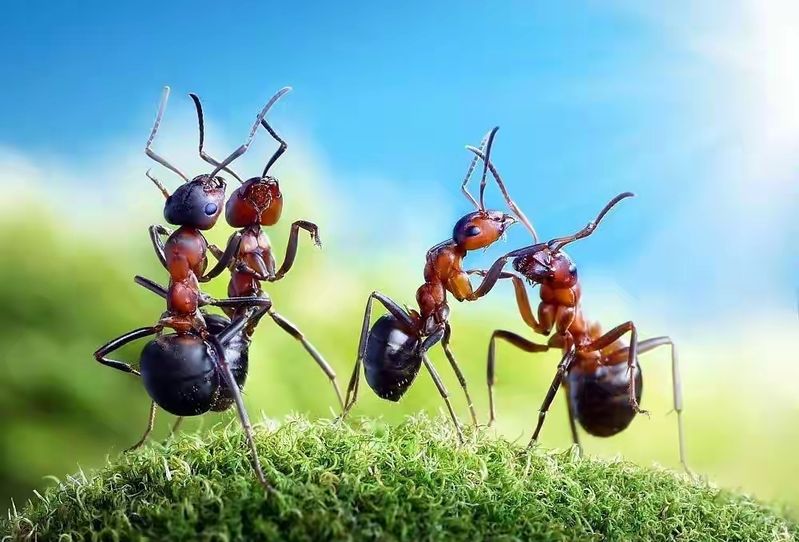
The tactile “kissing” conveys the message that groups of workers are synchronized by feeding, touching and exchanging food and intelligence。
18. Perceptions of earthquake precursors: leg sensors capture low frequency vibrations undetected by humans and move nests several days in advance。
I am identified by the smell: each colony has its own “family smell” and foreign ants are immediately attacked and expelled。
Food and survival cold knowledge (20 - 24)
Not just sweet food: leaf-cutting ants do not eat leaves, but instead use leaves to produce fungus as their staple food, while honey ants store their abdomen as “living honey drums” to feed their communities。
Aphids are “farmers” for aphids: ants protect aphids from natural enemies in exchange for “remuneration” of aphids。
22. Bullet ant has the strongest pain in the insect world: the pain of an ant in an amazon bullet is comparable to that of a bullet, with severe pain lasting 24 hours。
“sun-burning”: regulates body temperature through sun-tan, accelerates metabolism, and uses ultraviolet microbicide to deworm and keep nests dry and healthy。
24. Some ants mimic disguises: detached insects and ants imitate each other and avoid predators such as birds and spiders。
V. Stockpiling and electronic climate (arts. 25-30)
25. More than 12,000 ants are known globally: it is estimated that there are up to 22,000 real species spread across all continents except antarctica。
26. The global total of ants is about 200 million: surface ants have a total carbon stock of about 12 million tons, close to one fifth of human biomass。
27. Transcontinental distribution of the argentine supertrenchment: the largest colony is approximately 375 miles wide, with multiple ants coexisting and working together across countries。
28. Ants originated in the late jurassic period 157 million years ago: they evolved from exclusive predators to one of the most successful social insects on earth。
There are no fixed nests for marching ants: group hunting during daytime, grouping of living ants at night, and the whole group moving to hunt for other insects and small animals。
30. Ants are ecological engineers: nesting is contributing to soil gas, spreading seeds and controlling the number of pests, deeply affecting the balance of terrestrial ecosystems。
So we're pedestaled every day with so many magical secrets! What's the most interesting act of an ant? Have you ever been stung by an ant? Come to the comment section and talk about your knowledge of ants cold