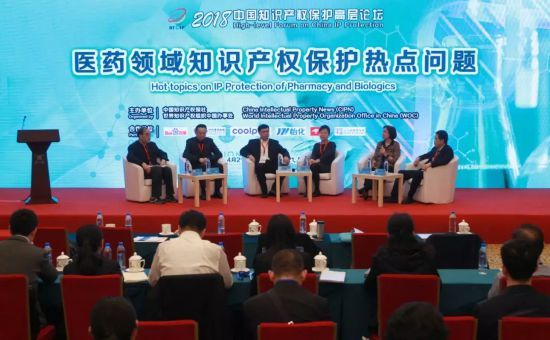
Good rain, when spring comes. On the morning of 21 april, the high-level forum on the protection of intellectual property rights in china continued with remarkable success in the spring rain. At the thematic forum on the theme “house issues of intellectual property protection in the field of medicine”, there was an in-depth exchange of views on the challenges faced by chinese drug patent protection, how to promote drug innovation and generic pharmaceutical development, with real knowledge shared in the field as much as in the air after the rain。
The forum was divided into thematic presentations and guest exchanges. In the view of the panellists, intellectual property protection of chinese medicine could be explored to include traditional chinese medicine protection in the context of intellectual property rights by combining technical secrecy protection, patent protection and trademark protection. At the same time, the field of medicine and biology is vital for the well-being of people, and there should be sustained efforts by all sectors of society to improve the quality of patents in this field. The forum was hosted by the china intellectual property rights newspaper and the world intellectual property organization office in china. Nearly 100 delegates from government departments, institutions of higher education and enterprises participated. The symposium was moderated by lee sun-dee, a researcher at the institute of law of the chinese academy of social sciences。
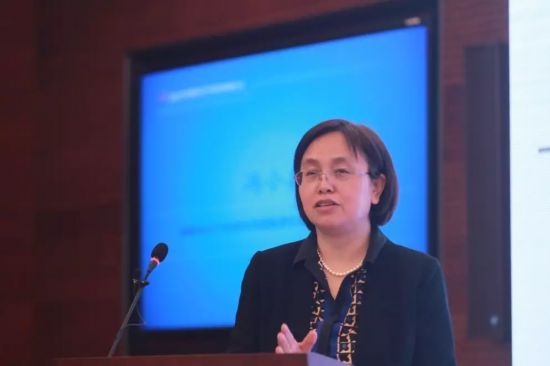
According to private feng, the minister for the examination of medical biological inventions of the patent office of the national intellectual property agency, over the past two decades new achievements have been made in the area of chinese medicine “modernization, standardization, internationalization” as a result of a series of national policies. At the same time, from a patent point of view, china had an absolute advantage over 72 per cent of the global number of active patents in chinese medicine between 2007 and 2016. However, based on the uniqueness of the chinese medicine theory system and the nature of the patent system, there are still a number of dilemmas and challenges to the protection of chinese medicine patents. For example, compared to scientific institutions, enterprises are less able to express and prove the creative contribution of chinese medicine in their inventions; and the industry has difficulties in proving the infringement of chinese medicine patent rights. She stated that she looked forward to better patent protection for the results of the modernization of chinese medicine and that chinese pharmaceutical companies were expected to continue to strengthen their overseas patent distribution。
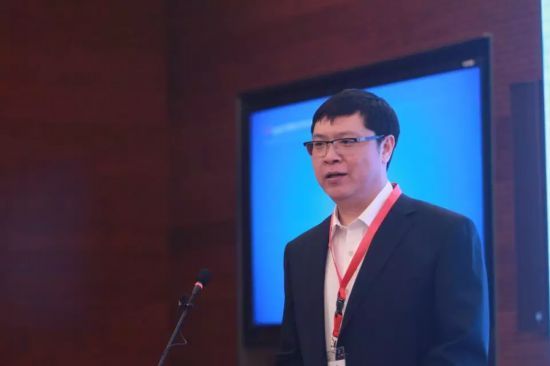
Zhang fai, director of the registered department of the national directorate of food and drug supervision, gave a keynote address on “strengthening intellectual property protection, promoting drug innovation and generic pharmaceutical development”. He indicated that the drug research and development environment in his country had improved significantly through the introduction of the reform of the drug review and approval system, the speed of approval of innovative drug reviews had accelerated, the backlog in registration had largely been eliminated, the effects of excellence were emerging, research and development in the pharmaceutical industry had increased and the innovation-driven ecological environment had been created. However, our pharmaceutical industry still faces problems such as the weak capacity of domestic pharmaceutical enterprises to innovate and the incomplete domestic system of innovation in drug protection. In response, the medicines regulatory authority is exploring ways to further strengthen the protection of intellectual property rights in pharmaceuticals, such as drug data protection, the drug patent link system and the drug patent term compensation pilot。
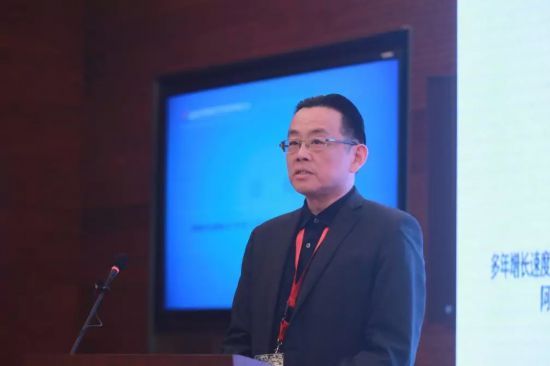
The forum featured a presentation entitled “innovation in original medicine: paradoxes and incentives”, delivered by seo bo, regional director of intellectual property for asia and the pacific, asliccon pharmaceuticals ltd., china. He indicated that the cost of a new prescription drug from development to approval for listing was very high; the long time from development to approval for listing was necessary to further strengthen intellectual property protection of medicines to stimulate innovation. In his view, experimental data protection, drug patent-linking systems, etc. Could have a positive impact on pharmaceutical innovation and stimulate it, and relevant government departments should play a leading and collaborative role。
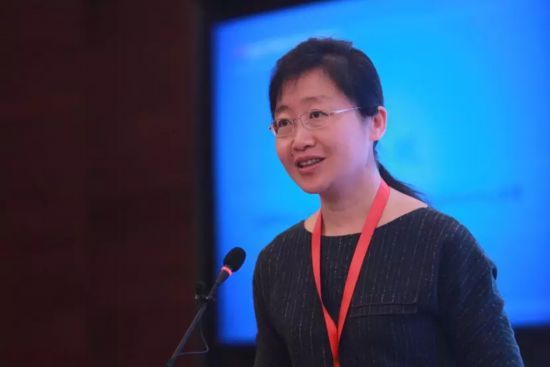
Yeung yeo, director of the international food drug policy and legal research centre, shenyang pharmacy university, gave a presentation at the forum entitled “encouraging innovation and policy reorientation related to intellectual property protection of medicines”. She explained that, in recent years, important documents had been produced on issues relating to intellectual property rights in medicines, including issues relating to the acceleration of the review and approval of drug listings, the promotion of drug innovation and generic pharmaceutical development, and the exploration of the establishment of a drug patent link system. In her view, the future policy orientation of our country with regard to intellectual property rights in medicines should be to combine data protection systems, compulsory licensing, patent links and piloting of patent term compensation in order to achieve interconnectivity, balance and constraint of systems。
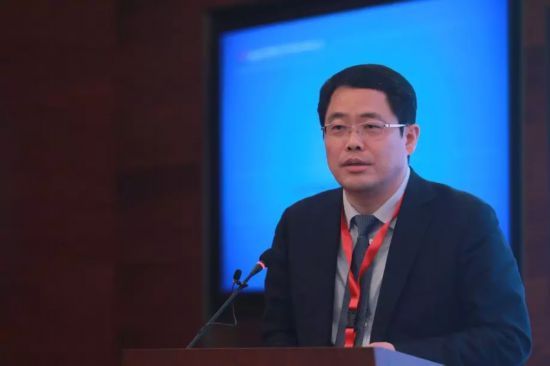
U xinhua, a senior partner of the beijing bar association, gave a presentation at the forum entitled “legality of registration of medical trademarks under the new trademark law”. He stated that the use of medicines by human beings was a special commodity directly related to the health and safety of the lives of a large number of consumers, and that, in the case of medicines for human use, trademarks applied for registration had been rejected for violating the ban on the use of trademarks and the non-footing clause, resulting in a great waste of state and social resources. U xinhua recommended that the trademark review authority should amend the criteria for the examination of medical trademarks and their public disclosure as soon as possible, and strengthen the relevant training of medical trademark applicants and agents in order to reduce blind applications and increase the level of protection. (note: marked guests are in departments and positions that pre-reformed institutions.) (texts are compiled by hu jingyang intern, lee yang fong, based on live recordings, and pictures are taken by zong jia)