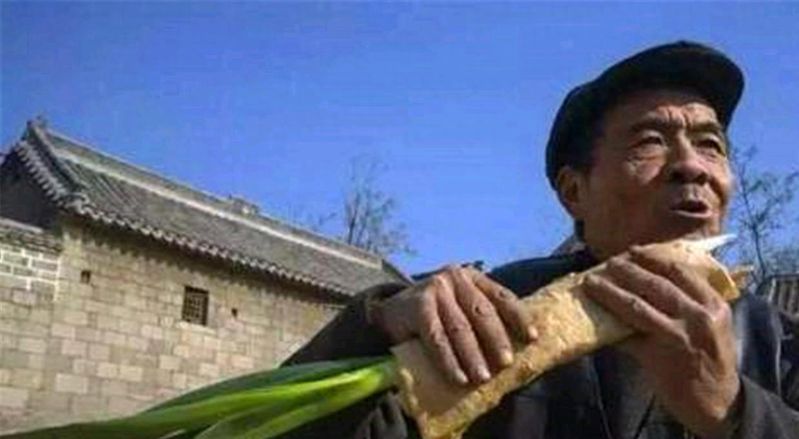
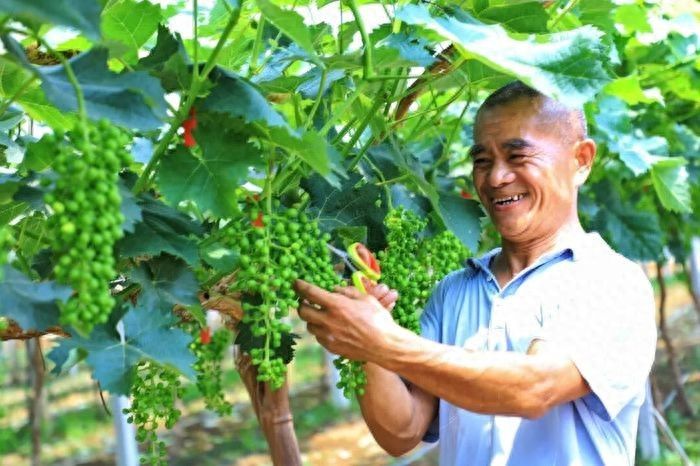
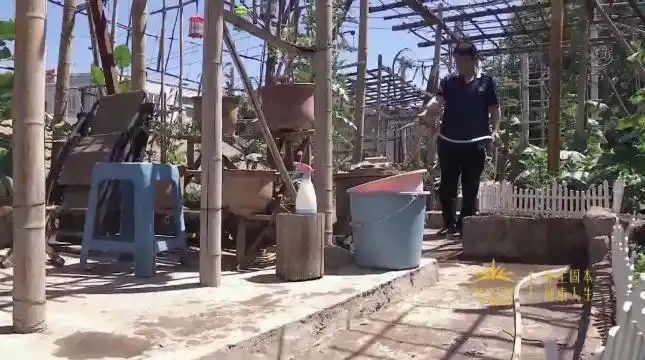
In one of the main vineyards of shandong, the planter yoo sun-sun's army bowed himself into the grape line, pulled a layer of grape branch up his hand, turned his finger towards the twirling grains to check the skin of the skin, and ran the field by ear to check for the sunburn damage, which lasted for over three volts of heat for 40 days this year, and his family's grapes were always tanned with a large amount of fruit. In 2026, 40 days of super-hot summer, high-temperature intimidation of the vineyards in the area was concentrated, and the vines were most prone to sunburning。
Many growers are stuck every year on this challenge, looking at the tan of the fruit in the field and falling apart, with a marked decline in production and the commodity rate of the fruit, and with a year of care wasted. Most farmers ' defaults for sunscreening and watering seem to be no fault, and are in fact faulty, and the faster they work, the easier they can drag down trees and damage the ears。
As a matter of fact, most farmers have stepped on two deadly pits, either in small-scale and costly forms of protection, or when water is poured out in the wrong amount of time, and to do bad things in a way that exacerbates sunburn and fig disease. Among them, high-temperature watering is the leading invisibility cause of a three-volt burning of grapes and the most widespread and harmful form of care in the field。
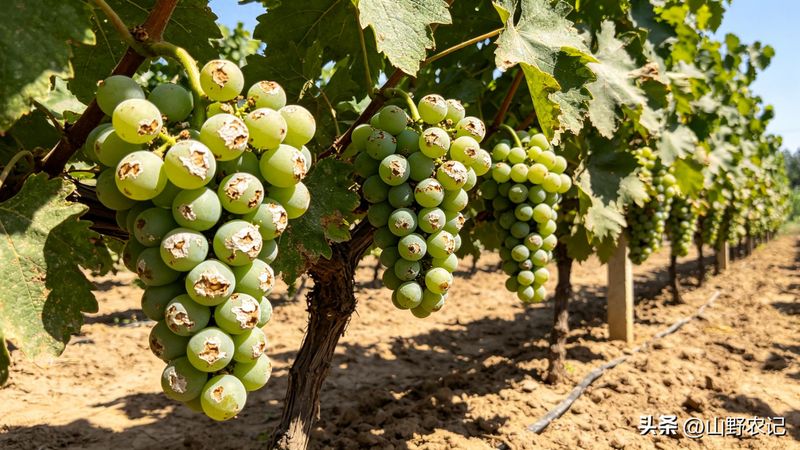
The surface temperature in the field can soar to 40 degrees in three volts, and the soil is so hot all day. At this point, cold water is pouring directly into the pits, the water and soil are very hot, and the fine roots of the prairie are soared by severe temperature differentials that the roots fall, the nutrients and nutrients are blocked and even root cell damage is caused。
Many of the old people did so, and at noon they saw grapefruits and fruit ears dry, so they started pouring water and trying to cool down the fruits. But that is the problem: once the stimuli are damaged, the whole tree's water flow is completely messed up, the fruit meat is in short supply to soak, and the bark can't grow as fast as it can, it's coming out of nowhere。
Liu zhenjun has also been in charge of the old man in past years, and has never been short of water in midday, the sun is covered with no slack, and he has been talking to the neighborhood. The water is so fat that he can't keep up with the fruit。
After the roots have been damaged, the resistance of the tree body to the sun will be significantly reduced, and even if the sun is no longer strong, the dryness and fallout of the fruit ears will continue to increase, with more and more water and more fruit and sunburning. Many farmers do not understand the reasons for this, considering the sun to be too toxic, repeating the same mistakes year after year and losing year after year。
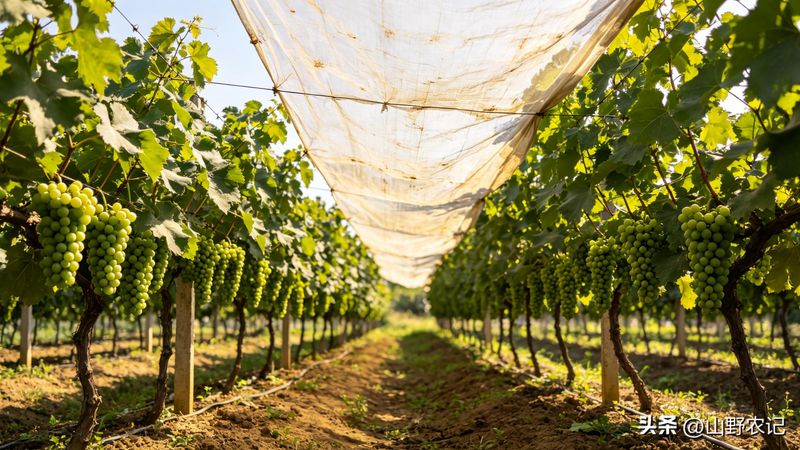
To be honest, the real day-burning of orchards does not work at all with high-priced piles of materials. Old farmers in the industry use one-sided shades, water-filling in the evenings, two cold-blooded, low-cost and secure, and families can do it。
It is the least cost-effective to have a whole garden covered with thick sunnets, which is too tight, with poor ventilation, insufficient light, uneven colours at the end of the grapes, insufficient accumulation of sugar, and a direct discount on the taste of fruit and sales. Multi-year grower practice has concluded that grape burning will only occur in the outside of the ear of the bright face, and that the internal branch leaves are adequately covered and need no additional protection at all。
Following its own orchard, liu sun-sun's troops pulled a line in the fruit tree towards the sun, with a thin old anti-worm net and a sun-covered one-sided shade, blocking only the hot, straight light between 11:00 a. M. And 4:00 p. M。
Such an operation would protect the exterior fruit ears from sunburn, preserve sufficient dispersing light, ensure a smooth ventilation in the garden, do not affect normal grape expansion, colour, sugar, and a acre of materials are extremely low-cost and can be used repeatedly over the years。
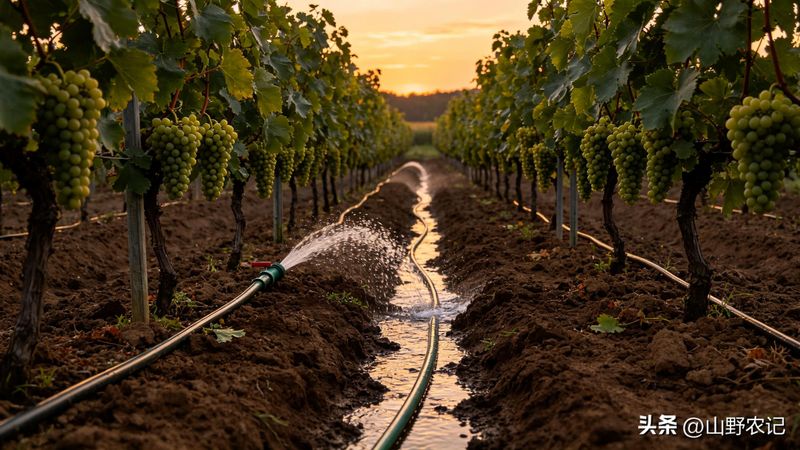
It is far more critical to water than to water the sun, and it is the right way to keep warm at night and to keep away from the dangerous times of high temperatures。
After the sun has fallen completely and the surface heat has dried up, the water is filled in a slow-watering, interlocking pattern. At night, the temperature of the soil and water is almost flat and does not stimulate damage to the root systems, and during the day, high temperature evaporates the water, which can be steadily absorbed and stored by the roots。
The fruit tree was rooted through the all-night water storage, and the next day the tree body was fully watered, and the pellet was so resilient that its capacity to carry high temperatures and to withstand the sun had increased dramatically, reducing the problems of sunburning and dry ears from the root causes。
While many farmers are used to water early in the morning, it is only possible to mitigate the drying of the surface soil, which has a relatively limited effect on the water recharge of trees that have been evaporated throughout the day, and which is not conducive to sunscreening. And in the evening, water can be refilled, so that the trees can be truly raised, and so that they can stay in the state of the tree。
Liu zeng's adherence to this system of care lasted throughout its initial and intermediate stages, and in 2026 his vineyards had hardly a single piece of sunburned fruit, which was evenly full of grains and much more stable than in previous years。
The worst thing to worry about is using the wrong force. Looking for a small technique would reduce production。
It is clear to those who have grown grapes for many years that old experience may not work year after year, and that it is not easy to collect fruit. Were you used to pouring water at noon in the last three days, and being dragged down by sunburn fruit
Carnation note: the methodology described here is based on local experience, and agriculture-specific operations need to be adapted flexibly to their home gardening, climatic conditions and tree age。