On twitter: what's the difference between flu and common flu? Is vaccination against influenza still necessary at this time? Were vaccinations not available earlier, would they be appropriate at this point? In recent days, the national agency for disease control has published a question and answer on influenza vaccination
What's the difference between flu and common flu
Influenza is also known as influenza, unlike common flu. Common influenza can be caused by a variety of pathogens, such as nasal viruses, which usually occur under conditions of cooling, climatic mutation, excessive fatigue, etc., and are prone to disease when immune capacity is low. However, influenza is an acute respiratory epidemic caused by influenza viruses and is seasonally prevalent. It is a category c infectious disease under the law of the people's republic of china on the prevention and control of infectious diseases. Influenza viruses are volatile, the population is generally vulnerable, post-infection symptoms are often more common than the cold, and annual influenza vaccinations are effective in preventing influenza epidemics and reducing the incidence of serious diseases。
How did the flu spread
Influenza is spread mainly through respiratory foam, and can also be transmitted indirectly through exposure to contaminated hands, routine appliances, etc. When cases of influenza occur in homes, collective dormitories, offices, schools, etc., the concentration of people, poor air circulation and inadequate protective measures make them more susceptible to outbreaks of influenza。
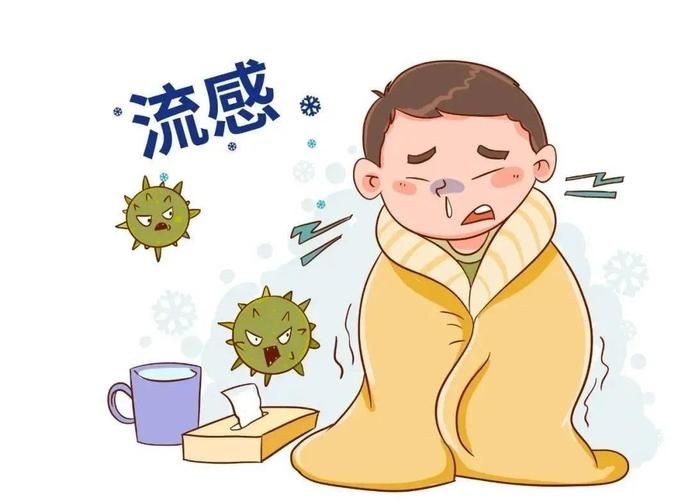
What are the main symptoms and hazards of influenza
Influenza is followed by acute and common fever, with temperature ranging from 39 to 40°c, with all-body symptoms of headaches, all-body cortex acidic pains, indulging in strength and appetite, and often with throat pains, coughs, nose plugs, aldicarb, etc. Influenza tends to be self-restricted, mostly after three to five days of fever, and has improved overall symptoms, but coughing and physical recovery often take longer. Children, the elderly and people with chronic underlying diseases are also at risk of serious illness or other complications following influenza. The symptoms of continued high fever should be addressed in a timely manner, and effective treatment drugs are available in the country。
What is the state of the influenza epidemic this year
Influenza is characterized by a marked seasonal epidemic, with a high incidence in winter and spring. The country is currently experiencing a seasonal influenza epidemic, dominated by the a-h1n1 subtype, with overall epidemic intensity below that of the same period last year. With winter holidays in primary and secondary schools, influenza activity will gradually decline. However, after school, there may be some rebound in influenza activity。
What are the good precautions for flu
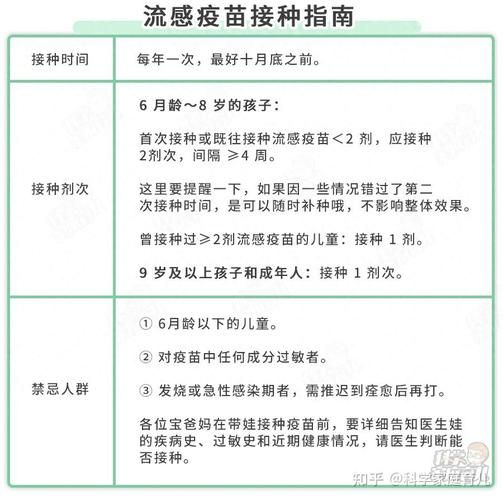
Vaccination is an important means of preventing influenza. Influenza vaccine can stimulate specific immune protection for humans by simulated influenza viruses and effectively reduce the risk of disease. For individuals, inoculation against influenza can reduce infection, reduce symptoms, shorten the pathology and significantly reduce the risk of development to serious illness and death. For groups, high vaccination rates can slow the spread of the virus among populations and reduce the risk of a concentrated outbreak. In practical terms, in zhejiang province, influenza vaccination was administered to persons aged over 60 years, and the reported incidence of influenza among this population fell by 26. 0 per cent. In addition, good hygiene practices such as maintaining scientific masks, hand washing and frequent ventilation can effectively reduce the spread of disease。
What should we do with the triple and tetravalent influenza vaccine
The “price” in the “triple price” influenza vaccine refers mainly to vaccine-preventable influenza virus types such as h1n1, h3n2 and type b victoria virus. The surveillance found that the “trivalent” influenza vaccine currently in use in our country can be matched to the current prevalence of the influenza a h1n1 sub-virus, and that people over the age of 6 can opt for the appropriate vaccination according to the certificate of vaccination or recommended by the vaccinator, with better preventive results。
When should we be vaccinated against influenza
As vaccination usually takes some time to reach protective levels, it is generally recommended that people be vaccinated before the flu season begins. For individuals, however, vaccinations can be used to prevent infection as long as they are not infected. Unlike the effects of drug prevention and treatment, vaccines can prevent influenza by increasing their own specific immunity and provide more sustained protection. Indirect protection of family members can be achieved after vaccination, so that other members of the family who have babies, children and older persons should also be vaccinated against influenza as early as possible。
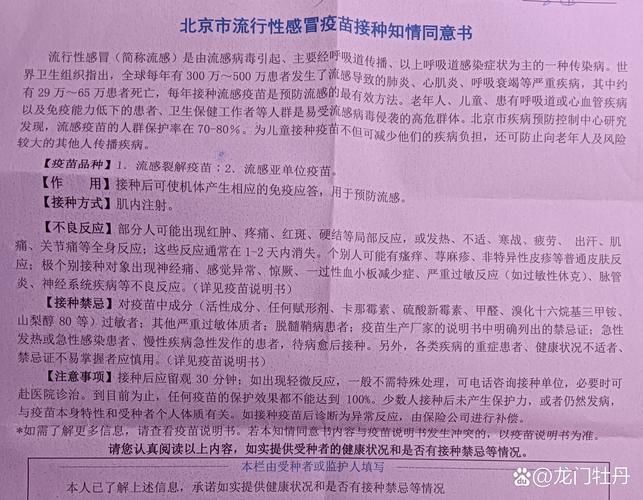
Is vaccination against influenza still necessary at this time? Were vaccinations not available earlier, would they be appropriate at this point
It is recommended that all persons aged over six months should be vaccinated against influenza every year, provided they are not vaccinated against taboos (e. G. Allergic to the ingredients contained in the vaccine). For those who have not yet been vaccinated against influenza this year, immunization is still available, as it provides some protection throughout the epidemic season and can help reduce the risk of influenza virus infection, reduce the severity of post-infection symptoms and reduce the occurrence of complications as long as the pandemic virus is active and vulnerable。
Where should the flu vaccine go
Vaccination must be carried out by qualified medical institutions. Vaccination units are permanently located in community health centres, townships or general hospitals. Health and health or cds also publish, as required, the list of district inoculation units. Specific information on the location, contact details of the vaccination units can be obtained through the network of relevant agencies or via micro-clinics, micro-programs, etc. You can go to the vaccination unit as soon as you can。