In this spring season
Everything recovers
And the children are like spring buds
Under the sun and the rain
Grow up
As the children grow up happily
Vaccination is indispensable
It protects children's health like a spring wind
Build them a solid immune barrier
Vaccination is against infectious diseases
The most economical and effective means
Child vaccination
It's about the healthy growth of the next generation
Thousands of families
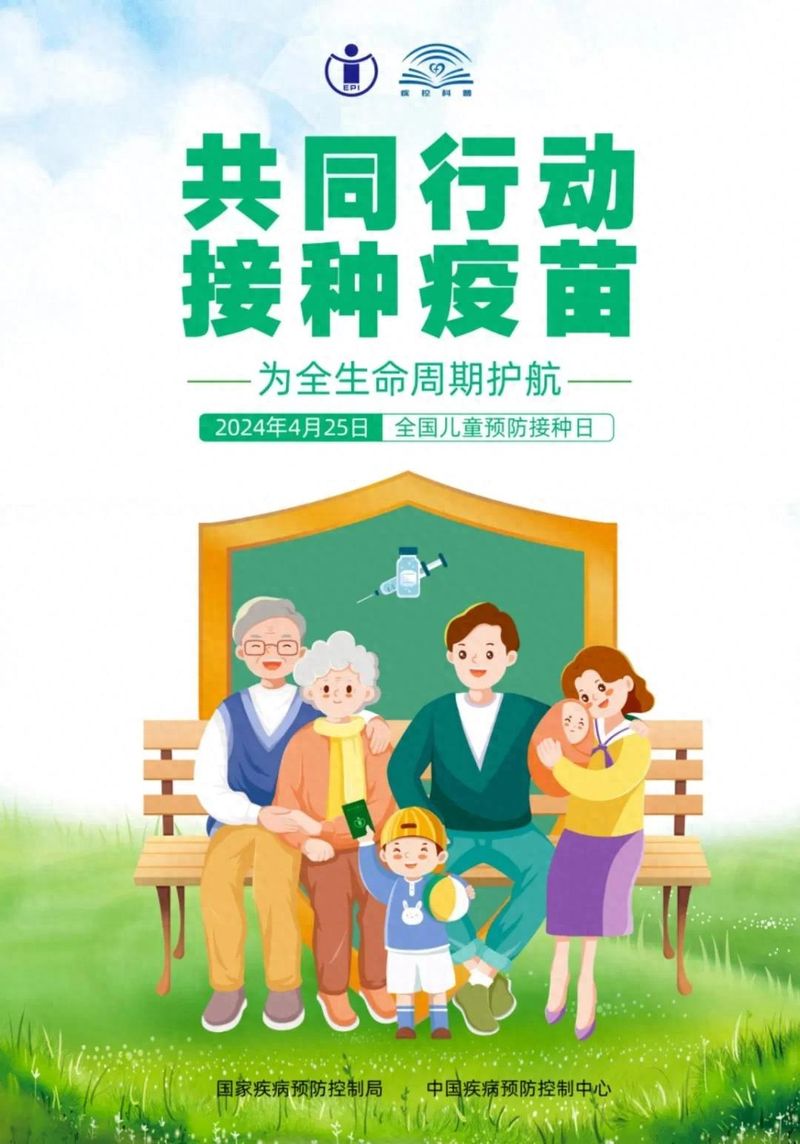
25 april: “national day for child vaccination”
The theme of this year's campaign
“common action, vaccination, protection for the entire life cycle”
So about "vaccination" for children
What do you know
Let's get some knowledge
Why immunize the baby
Vaccines are recognized as vital and effective tools for the prevention of infectious diseases. When a child is born, a certain amount of antibodies can be obtained from the mother in order to combat the epidemic. However, as the age of the child increases, the effectiveness of mother-to-child transmission in the body diminishes and disappears; the vast majority of children are vaccinated in accordance with the immunization procedure, and each child completes the vaccination process and forms a strong immune barrier. Vaccination is the most economical, effective and accessible means of protecting the health of children。
What's the vaccine classification
The law of the people's republic of china on vaccine management provides that vaccines are divided into immunization and non-immunization planned vaccines。
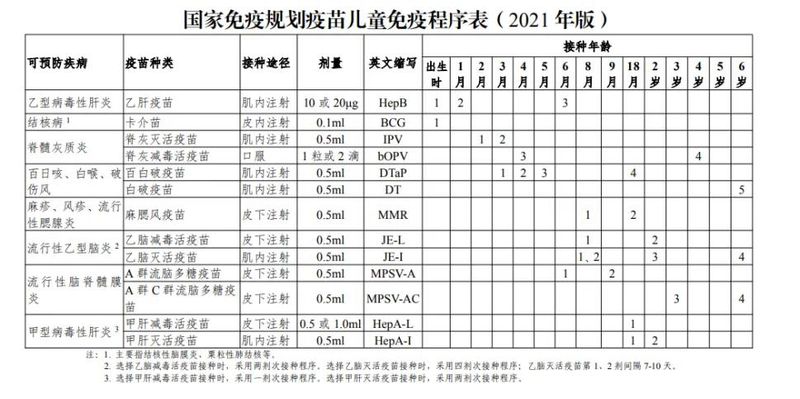
Immunization programmes refer to vaccines that the population is required to receive in accordance with government regulations, and children of appropriate age have the right to receive them free of charge in accordance with the law. The current national immunization plan (npi) children's immunization procedures table (2021 edition) prevents 12 infectious diseases, including hepatitis b, tuberculosis, poliomyelitis, pertussis, diphtheria, tetanus, measles, rubella, mumps, meningitis b, meningitis and hepatitis a。
Non-immunization planning vaccines are other vaccines that are voluntarily administered at the expense of the population. Common non-immunized planned vaccines include pox, flu, cervical cancer, pneumonia, etc. Non-immunized planning vaccines also play an important role in protecting the health of the affected population and are a useful complement to immunization planning vaccines。
What are the concerns about vaccinations
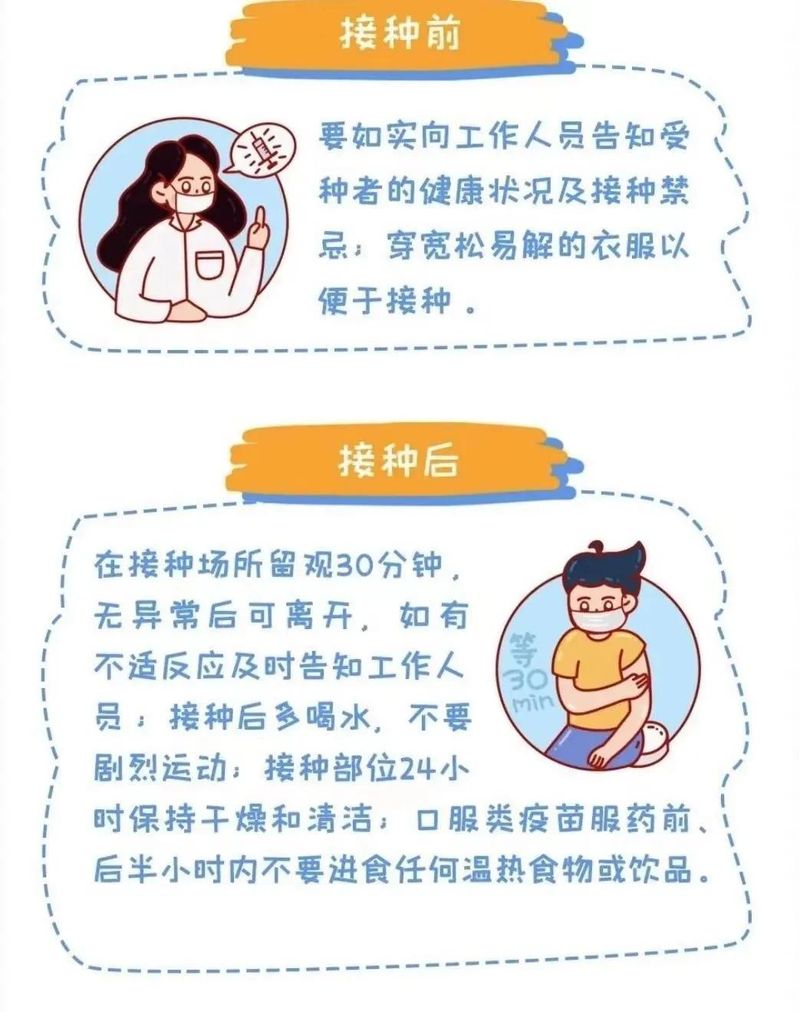
How to deal with abnormal reactions after vaccination
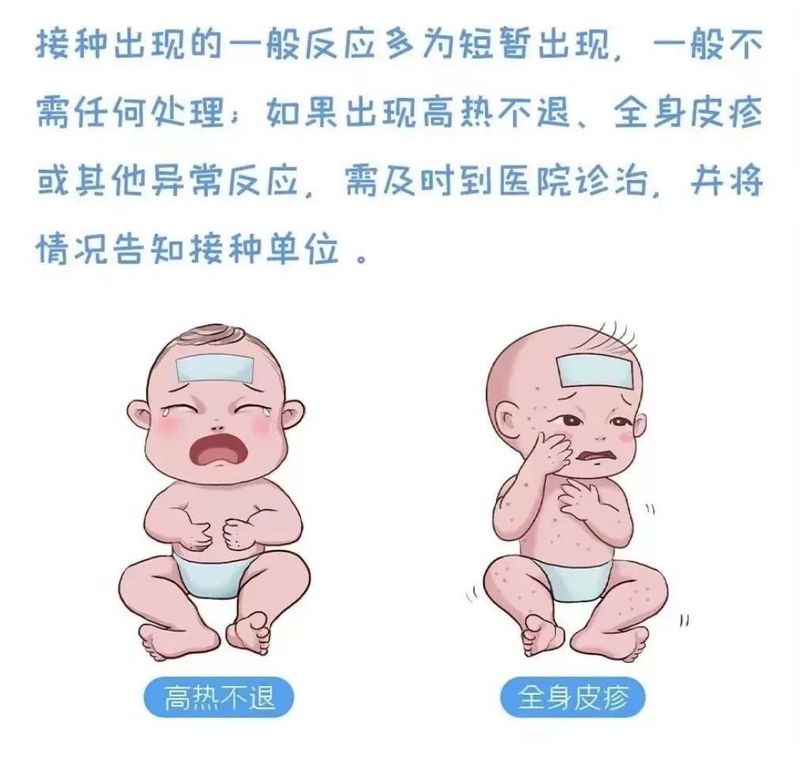
Did you take a closer look at the vaccinations
To improve access to vaccination
Deepening public awareness of the importance of immunization
Today
It's released at the county cdc
I'll bring you one
4. 25 “national child vaccination day”
Awarded questions and answers
Before answer
Kim, give us a focus
Let's go over it
1. Annual vaccination days are held on 25 april。
2. During the child's departure from his/her place of residence, the vaccination unit, which is responsible for the vaccination of the child, is responsible for his/her vaccination。
3. The mumps vaccine and the noncellular pyrote vaccine are part of the national immunization programme。
The first doses of hepatitis b vaccine and bcg vaccine were administered to children in maternity hospitals after birth。
5. A child needs four doses of polio vaccine。
6. Two doses of brain detoxification vaccination。
7. The first dose of the a+c congener influenza vaccine was recommended before the age of 4。
8. Children should be vaccinated as early as possible within the recommended age。
9. The immunization procedure provides for the vaccination of children at the age of six years。
10. China's technical guide for influenza inoculation recommends priority vaccinations for children of school age, medical personnel, chronically ill persons and the elderly。
11. The format of vaccination certificates is defined by the state council's health and health department。
12. The rabies vaccine is generally used for post-exposure immunization。
13. Immunization is active。
Bcg is a detoxification vaccine。
15. The national immunization programme (pni) has been jointly procured by provinces, autonomous regions and municipalities directly under the central government。
16. The recipient should remain on-site for 30 minutes after vaccination。
17. Polio vaccine can prevent polio。
18. Inoculation classes are designed for mothers or other guardians of children aged between 1 and 3 years under the jurisdiction。
19. The heavier local response can be covered with clean towel heat, except in the case of bcg。
20. A small number of people are exposed to fever within 24 hours of being vaccinated against life, usually lasting between one and two days。
21. Measles is a contagious disease。
22. Vaccination is administered to children's places of residence。
23. The vaccination procedure for hepatitis b is 0, 1 and 6 months。
Leprosy vaccine against measles, rubella disease。
25. The prevention of the abdomen is both a life-saving and a detoxification vaccine。
26. The vaccine against hand-and-foot oral disease, which is currently available in the country, targets the intestinal virus 71 pathogens。
27. Newborns are vaccinated against the bcg virus, which is used to prevent epilepsy tuberculosis and tuberculosis meningitis diseases。
28. 23 the population at high risk of pneumococcal hypersugar vaccinations are those over 2 years of age and the elderly。
29. Fourteen vaccines are currently included in the national immunization plan, preventing 15 diseases。
30. The first dose of hepatitis b vaccine should be administered within 24 hours of birth。
From today until 30 april
Every day you can have an award question and answer
Five questions for the answer competition
20 points each
After four questions, you can get a red bag
Identify the two-dimensional code on the poster below
Join the question