In today's rapidly changing and competitive business environment, the success of enterprises often depends on the efficiency and implementation of the project. A standardized project management process is particularly critical if objectives are to be achieved within limited time and resources。
Whether internet companies develop new products or traditional enterprises promote transformational upgrading, good project management not only enhances team efficiency but also effectively controls costs, avoids risks and ensures that projects are delivered on time。
So, what's the project management process? How is implementation regulated
What is the project management process
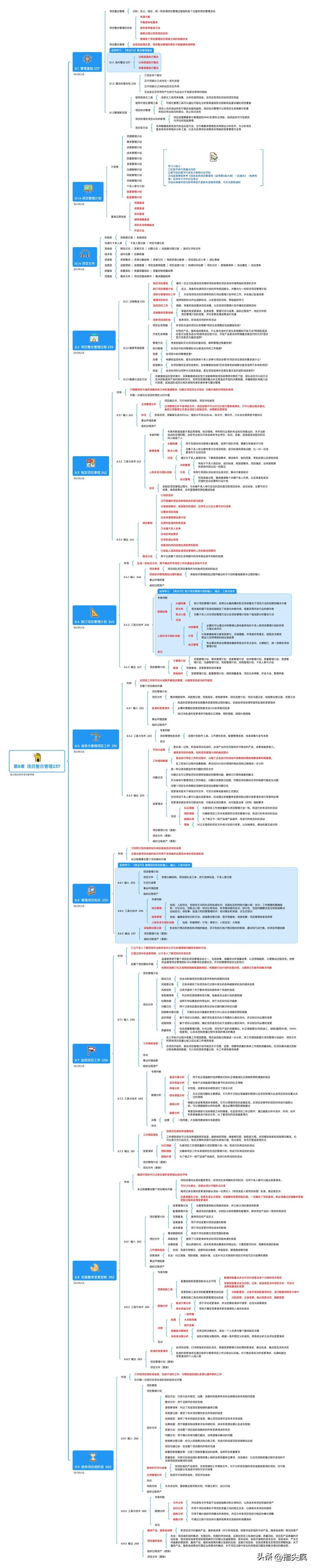
The project management process refers to a structured set of processes to be followed throughout the project life cycle in order to achieve specific objectives. According to the pmbok (project management knowledge system guide), projects are usually divided into five key phases:
Start, plan, execute, monitor, monitor, finish
Each phase has clear objectives, tasks and outputs that help project teams to maintain unity of direction and pace in complex work。
Five core phases 1. Start-up phase: clear objectives and borders
The start-up of the project is the starting point for the project as a whole, and the main tasks include:
Petty: the good start is half the success, and a project with no clear scope and objectives can easily be confused in the middle and late。
2. Planning phase: developing a detailed blueprint
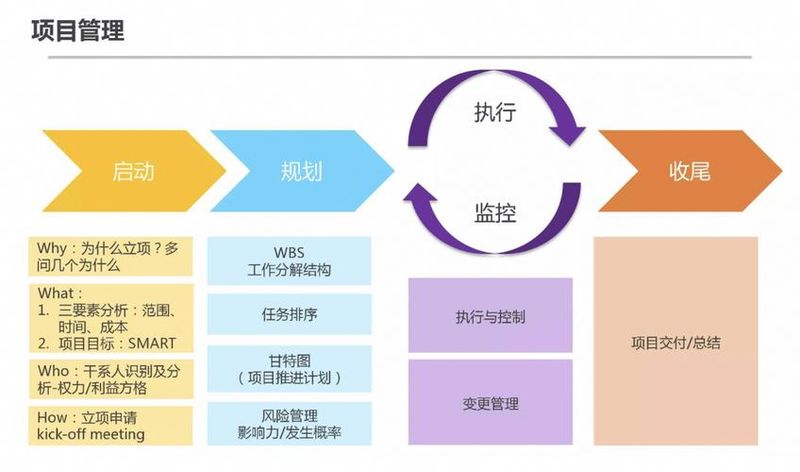
This phase is key to the construction of the project “build map”:
Recommended tools: visual collaboration tools such as ones, jira, notion, flying books okr。
3. Implementation phase: operationalization of the plan 3. Implementation phase: operationalization of the plan
Once the project has entered its implementation phase, all plans will begin to land:
80 per cent of project management is communication. — pmp certified teaching materials, say. Efficient communication is the lifeline of the implementation phase。
4. Monitoring phase: real-time control of project status
In the course of implementation, continuous monitoring is essential:
Data-driven decision-making: it is recommended that project dashboards be established to track project status in real time visualization。
5. Ending phase: delivery results and stocktaking
When the project is completed, there is no hurry to retreat. The closing phase is equally important:
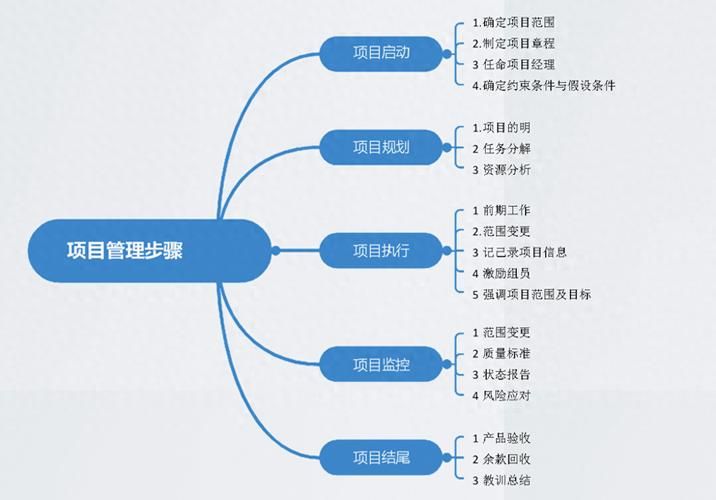
Many enterprises ignore the mix, which leads to “spreading pits”, and lessons learned and knowledge deposition are key steps in building learning organizations。
How is the project management process regulated
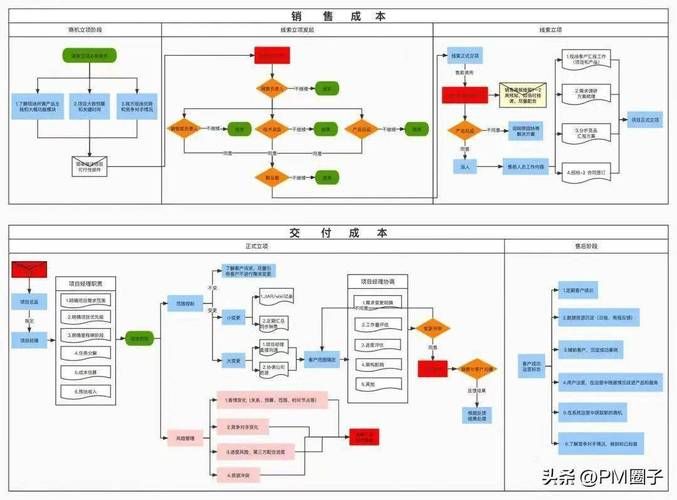
In order for the project management process to “run up”, there is a need not only for the process but also for “normative”. The following are key to the project management specifications for landing sites:
1. Establishment of a unified project management system
It is recommended that a project management manual or guide be developed to cover processes, roles, tools, templates, approval mechanisms, etc., to ensure that each project is implemented according to uniform standards。
Clear project life cycle and delivery objects
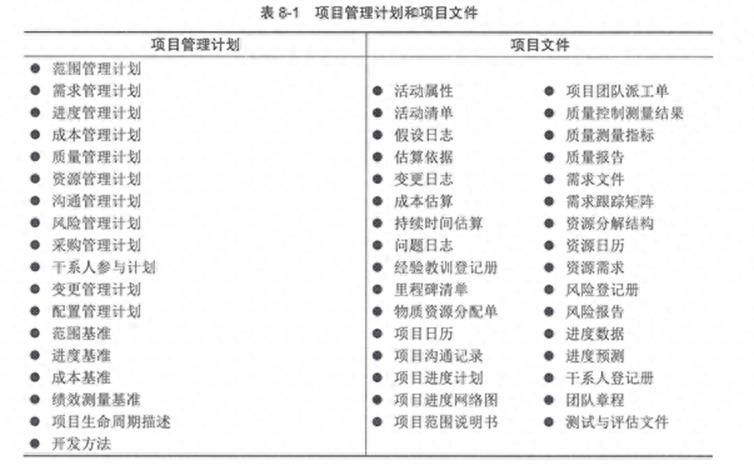
Documentation and outcomes, such as project charters, risk lists, phase evaluation reports, etc., must be identified at each stage to ensure that the process is closed。
3. Standard roles and responsibilities matrix (raci)
The raci model helps to identify the responsible (responsible), approved (accountable), assisted (consulted) and informed (informed)。
4. Enhanced communication mechanisms
Regular meetings, daily newspapers, weekly newspapers, monthly newspapers are synchronized with online tools (e. G., company micro-intelligence, nails, flying books) to improve team transparency and implementation。
5. Implementation of risk and change management mechanisms
Establish risk banks, change application processes and approval mechanisms to avoid “silent change of direction” of projects。
At the end
Project management is not the exclusive skill of a “senior” or “technician”, but the generic ability that each team member needs to understand and master。
Knowledge of a standard project management process and continuous optimization of it, whether you are a product manager, developer, entrepreneur or manager, are core safeguards for achieving efficient synergies and controllability of results。
As the project management bible states: “good project management can turn chaos into order and resources into results”
The establishment of a standardized project management process not only enhances the success rate of the project, but also provides a solid foundation for long-term organizational development。
References: