Many parents found that children had just gone to kindergarten and had a cold, cough, fever, which lasted most of the month. Many people are conscious of the fact that their babies are weak and resistant. Paediatricians tell the truth: frequent illness, most of which is not innately low immunity, is occurring in the “modernity of the bacteria”, and countless parents have been misreading it。
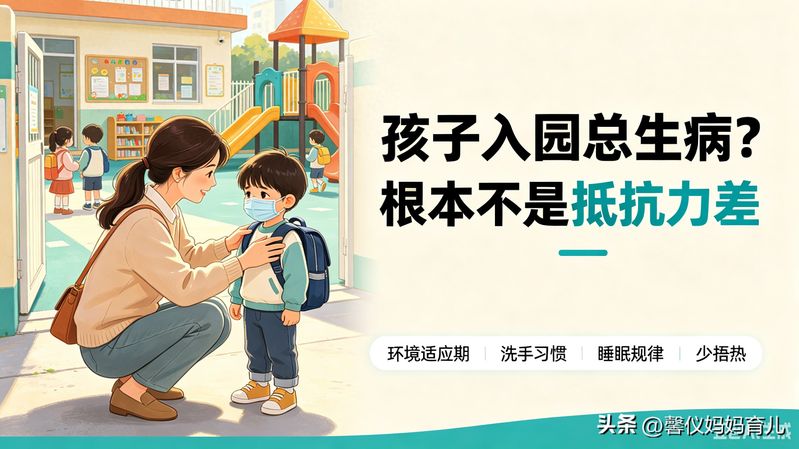
When the baby is at home, the living environment is simple, the strain of disease is very limited and the body has to deal with a small number of pathogens. After entering the kindergarten, dozens of children live together in a room with air, toys, tables and chairs, and various bacteria and viruses are concentrated。
The child's immune system, like a school where soldiers are still working, is the first time that a strange disease has been exposed to infection, showing signs of fever and aldicarb. Every time a disease is defeated, a corresponding antibody is produced in the body, and the immunity is constantly improved. This phase is medically referred to as the “immunization build period”. It usually lasts from six months to one year and is not born to a child。
In addition to immunization adaptation, there are several factors that can easily be ignored。
The first is a dramatic change in living habits. The parents take careful care of the children at home and increase their clothes in a timely manner; the children of the kindergarten are very active and sweaty, and it is difficult for teachers to take care of every child at all times, and it is easy to sweat. Plus a lot of kids don't drink their own water, their throats dry and their defenses are down。
Second, there has been a change in the health approach. In the home, adults urge hand-washing; in the park, after many children have played, they routinely use their hands to rub their eyes and grab food, and the disease follows their noses and mouths。
There are emotional factors. Separating anxiety can quietly reduce defence capacity. The children who have just entered school are nervous, crying, sleeping in a state of sleep, chronic stress, endocrine effects and greater vulnerability to the virus。
Parents must distinguish between normal and frequent influenza, which is an adaptation phenomenon; however, if a year of repeated pneumonia, continued high fever and chronic coughing, timely medical treatment is required to screen for real immunization problems。
In the face of increased vulnerability to disease, most of the results are minimal in terms of blind access to health-care supplies and booster oral fluids. Doing these things is far more useful than making amends。
First, maintaining regularity and ensuring adequate sleep, which is the best way to restore immunity
(b) second, teach children to wash their hands properly, to drink water without touching their mouths and noses and voluntarily in the park
(c) thirdly, clothing follows the “triple warm and cool” approach, and does not overheat and sweat and dry in a timely manner
Fourthly, when illness heals, it returns to school and avoids repeat infections。
Many parents are caught in a vicious circle: children take long leave of absence as soon as they become ill, just to get back to kindergarten and re-exposure to disease. The adaptation cycle is growing. The moderate exercise of the immune system, with a smooth passage of the previous year, will significantly reduce the frequency of subsequent illness。
Let's not simply blame the poor resistance for the disease. To give children time to adapt to the environment, to provide scientific care and to wait for the immune system to mature。
Didn't your baby get sick a lot when she was in school