Another study, covering 16 cities across the country, also showed a significant downward trend in lead levels among children as a whole since the total ban on leaded gasoline in 2000, with the proportion of people with thallium 10 μg/l (i. E. 100 μg/l) falling from 10 per cent in 2004 to less than 5 per cent in 2008。
These positive changes are closely linked to the pollution management and public health policies that have been promoted in the country for many years, such as the phasing out of leaded gasoline, the optimization of the layout of the lead smelting industry and the strengthening of urban drinking water purification。
It is worth noting, however, that cases such as blood lead poisoning at skywater kindergarten still point to the potential serious health consequences for children as a result of irregularities and offences committed by bad businesses。
It is gratifying to note that most children are able to reduce their levels of blood lead from time to time, effectively reducing the risk of poisoning, after leaving the lead exposure environment, receiving normative interventions and nutritional support. Therefore, the identification of the main sources of lead exposure, the availability of science-based prevention methods and response measures is the direction that needs to be focused on today。
Children exposed to lead
We need to be vigilant in these ways
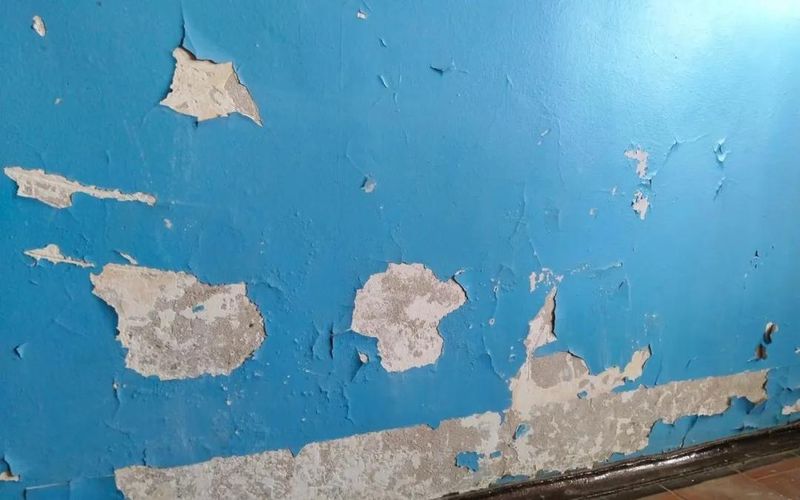
Fragments and dust containing lead paint
Ingestion of lead dust is the main source of lead exposure for children. The main sources of lead dust are lead paint, soil oxidation and mechanical shredding。
Developmental exploratory behaviour in early childhood, such as higher exposure to the ground during climbing and walking, as well as normal eating hands or bites, may increase the risk of ingestion of lead paint, dust or soil by children。
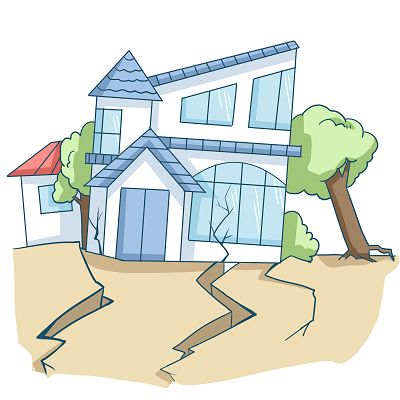
In the past, for example, some houses may have been built or renovated with lead paint. Over time, these lead-containing paints are deciphered into powder and scattered in the cracks of the ground, windows and walls。
Inhalation lead exposure has been significantly reduced after the non-leading of motor vehicle gasoline products, but children may still be inhaled if their living environment is close to industrial plants where lead is used, smelted or mined, or if lead-containing gasoline is not completely banned in the host country。
Images of copyright in the library, reproduction of use that may trigger copyright disputes
Contaminated soils from hydrocarbon emissions
The world bank and the united nations commission on sustainable development in 1998 called for global implementation of lead-free petroleum products, a goal that has now been largely achieved. One million pounds of lead will be released every month from the tail gas of a motor vehicle before the united states provides for lead-free petroleum products。
However, soil contamination around populated areas may still be an important source of exposure to lead dust for children. Lead in soil is not only absorbed by plants into foods such as vegetables and fruits, but may also be inadvertently ingestion when children play, grab dirt or eat directly from the ground, creating hidden and continuous exposure risks。
Lead content safety standards for exposed soils are: play areas
Lead in blood levels of pregnant and nursing mothers high
A mother who has been exposed to lead and stored in a bone is mobilized into blood, or a direct acute/long-term exposure to high lead during pregnancy may lead to an increase in the mother's blood lead, leading to exposure to intrauterine lead in the foetus. Intrauterine lead exposure, on the other hand, may increase the risk of stunting, loss of iq or abnormal behaviour after birth。
The levels of lead in breast milk can be as high as 3% of the mother's lead, and it is recommended that the blood lead level be reduced to 40 μg/dl mothers
Food or water pollution
Food is likely to be contaminated with lead during production, processing, packaging, preparation or storage. For example, agricultural products growing in lead-containing soils, lead-contaminated sauce has been added to the food production process, and lead welding has been used in food filling. Food is also stored, processed or stored in lead-coloured ceramics, lead crystal glassware, lead-containing cooking containers or plastic bags containing lead paint。
In the case of utensils, some households still use old-fashioned pottery products, which, without strict food-grade certification, can slowly release lead into food products when exposed to acid or oily food. A study conducted through the acetate leaching test showed that even if immersed several times under standard conditions, this type of ceramic would still produce a large amount of lead well above safety limits。
Lead in drinking water may be more readily absorbed than lead in food. The u. S. Environmental protection agency (epa) has set an intervention threshold of 15 ppb for lead in water and the american paediatrics association (ap) has recommended 1 ppb for water use in schools。
Lead contamination of domestic water comes mainly from copper pipes linked to lead welds. Other potential sources of lead pollution include water storage tanks, water sources outside municipal water supply areas, and ageing water coolers and water heaters, especially in areas with high water acidity or temperature。
Working environment of parents
Adults who are exposed to lead in their occupations and live in lead-contaminated houses may be exposed to lead dust in their children's living environment through clothing or skin。
Parents have a hobby or occupation to use, melt or spray lead-containing products, which may also increase the risk of children sucking lead。
Other: lead excess toys, cosmetics, drugs, etc
Ingestion of lead-containing articles by children, such as drapes, entertainment supplies, and folk bias, can result in a dramatic increase in blood lead, which can lead to toxic encephalopathy and death in lead. Long-term exposure to these articles may also increase the risk of lead exposure。
Children's products and toys, such as paints on product surfaces, paints, plastic products, including purses, backpacks, car seats and lunch boxes, may also contain lead。
Lead is not ingested when the child's skin is intact and the product is complete, but there may be a risk of ingestion if the child bites, chews, swallows or the product is damaged。
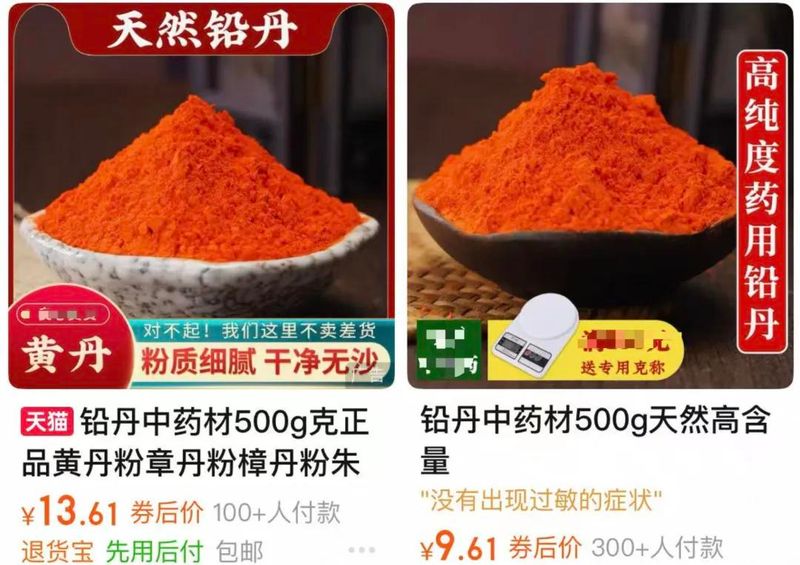
Other drugs may also contain lead and may even cause severe poisoning。
Source: network
How can we identify “lead excess” in food
View product inspection reports and trace information
According to our national standards for food safety, the limits for contaminants in food products (gb 2762 – 2022), there are clear limits on lead for different food categories such as cereals, vegetables, meat, infant and young children: fresh vegetables 0. 1 mg/kg, child rice 0. 2 mg/kg, liquid milk 0. 02 mg/kg to 0. 01 mg/kg。
When selected for purchase, attention may be paid to markings such as “food production licence number” “product batch” “qualifying test report” on packaging, which are more reliable when third-party testing data are provided and certified by a national laboratory。
Avoid unknown sources, home-made cans and dark lead pans
Many families prefer the use of pottery pottery to store sauce and home-made cans, but these traditional pottery are not certified as food-grade, especially when they contain acid, such as pickles or oily foods, and lead is easily distilled and fed in the casks。
It is recommended not to purchase ceramics of unknown origin, especially ceramics sold at selected sites, which may be mostly for good-looking purposes and not suitable for cooking, and not to use food for food. It would also be desirable to go to formal supermarkets and markets to buy products from formal manufacturers, preferably with clear certification reports。
Care should also be taken to avoid acidic foods, such as tomatoes, vinegar, which accelerate the melting of heavy metals from pots of ceramics; in addition, the use of blunt instruments such as cleaning balls to clean ceramic dishes can damage surface accelerators and accelerate the loss of surface pigments, etc.; if the surface of ceramics is broken, heavy metals are easily dissolved, and better not be used。
Focus on food recall and alerts from authoritative platforms
For example, there are occasional recall notices on the websites of the national directorate of market supervision and of the various levels of the market supervisory authority; the import of products can be followed by recall data published by the general customs administration or the united states fda, cpc, etc。
How can lead be prevented and reduced
Most lead exposure is actually preventable. Risks can be significantly reduced as long as exposure is reduced from the source and is matched by good living habits and diets。
1. Environmental prevention
Lead prevention begins with the living environment — regular inspection of old furniture and fitting residues is critical。
If lead-containing materials have been refurbished, polished or used in the home, hepa efficient filter cleaners are recommended to be used to clean wet cloths and to avoid dry dust cleaning。
Water is also often overlooked. Lead is still used in some old buildings, especially when it is not used for long periods of time. Therefore, it is recommended that water be released for a few minutes before cooking with running water or washing milk powder. Water purification devices with a filtration core that indicates that “lead can be removed” may also be installed if conditions permit。
In addition, unexpected everyday items such as old china, imported paint toys, poor jewellery may also be the source of lead. In particular, families with children should avoid exposing children to “antiquities” of unknown origin, old furniture, paints or cheap accessories。
Food prevention
The dietary “lead-proof” is not “detoxification” based on some magic food, but rather reduces the absorption of lead through a rational diet. For example, minerals such as iron, calcium and zinc compete with lead in the body for absorption corridors, and sufficient ingestion can reduce lead entry to some extent。
In addition, care will be taken to select food for infants and young children from formal sources and to avoid long-term single brand intake. In recent years, several united states sampling tests have found that some branded infant foods, such as adsorbing mud, and heavy metal excesses in cereal powder, particularly lead, arsenic, cadmium, etc. If possible, priority is given to batches tested through national standards to avoid purchasing products of unknown origin。
3 behavioural habits
Kids are curious and unsuspecting, and many of the lead exposure actually comes from hand-to-mouth contact. The most basic and effective method is to wash hands, especially in outdoors, before meals, after toilets, and to avoid children sucking their fingers, eating toys and eating dirt。
Toys, utensils, mats, etc. Are regularly cleaned. If it is suspected that lead may be found (e. G. Old toys or products of unknown origin), a home-based lead test kit may be used for preliminary screening or contact a professional body for testing。
It was also noted that the absorption rate of lead during the abdominal period was much higher for children than in food. Therefore, regular diets and the avoidance of leakages can help to prevent lead。
4 testing and access to medical care
First-level prevention is most important, but blood lead screening is still necessary for early detection of children who have failed at first-level prevention。
In some cases, parents do not know if their children are exposed to lead. The possibility of blood lead should be observed, for example, in the old urban areas, with renovations at home, or when the child suffers from an unspecified lack of attention, underdevelopment, etc。
The american paediatrics association recommends that the risk of lead poisoning in children should be assessed at the age of 6, 9, 12, 18 and 24 months, and thereafter annually up to the age of 6; and recommends that universal blood lead testing can be conducted in areas where there is no corresponding lead screening project, especially in areas of peak age (12 and 24 months of age) exposure, especially where the following conditions are met:
Insufficient data on the incidence of increased blood lead levels
25% and above were built before 1960
Blood lead levels for children of 12-24 years of age 5 μg/dl (0. 24 μmol/l)