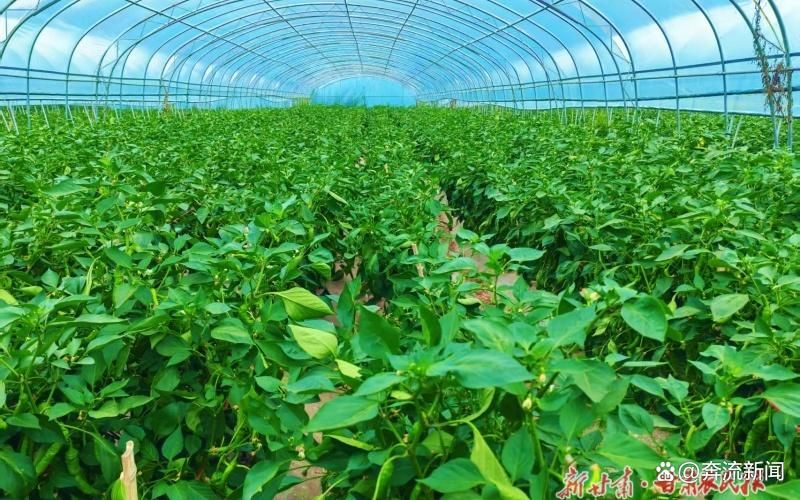
In the village of andagawa, nambaku town, pyramid. New gansu gansu farmer's newsletter
Zhao jiang, zhao xinjun
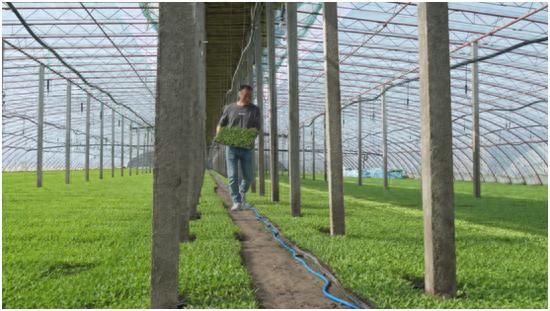
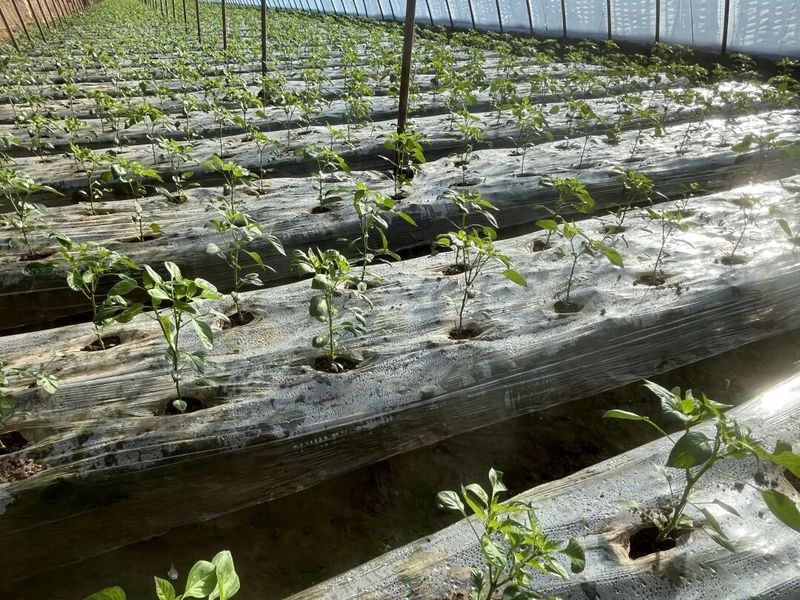
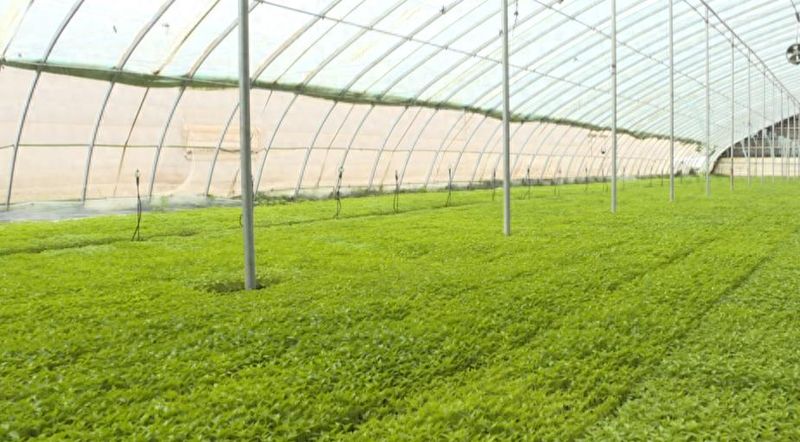
In july of the summer, there was a very good harvest picture at the standardized greenhouse camp in anchon village, nankang town, pingzhou. The greenhouses are tattered, the hot peppers are thick in the shed, the fruits of red and green are full of vines, the villagers travel through the rooms to pick, sort and box, and a carload of fresh pepper is constantly being transported to the nearby agricultural market. The small paprika za root sheds drive the economy under the huts, allowing the village to grow and the villagers to find steady employment in front of their homes, and move out of a new path of the rich, which has been rejuvenated in the countryside by special facilities agriculture。
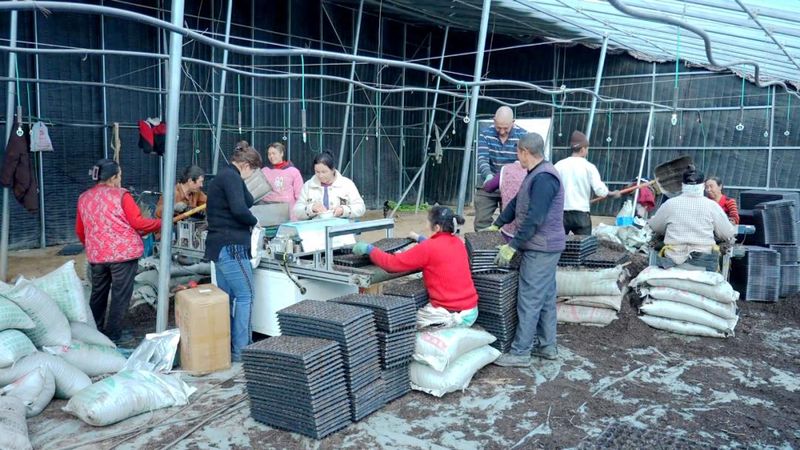
"look at the chili, all smug and full of flesh, and the merchants are waiting to collect it in the morning, selling two dollars a pound, working at home, taking care of the elderly and the children, and getting over 3,000 a month." the villagers, wang shulan, flipped their fingers and moved mature peppers into the bamboo basket, with their foreheads sweating and their faces full of smiles. In previous years, wang xio-lan had been working in the field and had never been able to return home in a year, leaving the elderly sick and their children to attend school. This year, the village's chili sheds began production and she signed up for the first time to participate in the whole process, from nursery and field care to collection and collection, without having to leave the country to stabilize the gains made by the workers on a monthly basis。
Like wang xio-lan, 43 villagers have been established year-round sheds, covering nursery, care, pick, pack, transport and full chain jobs, including women and the elderly. The 56-year-old zhang fu, who grew wheat and maize in his early years to support his livelihood, is now a modern “shelter worker.” “the days have come when he used to eat from the sky, he spent so much money a year, he worked so hard on vegetables, he managed them finely, he had a steady production and lost his way”. Zhang fook's making baskets and raising bills。
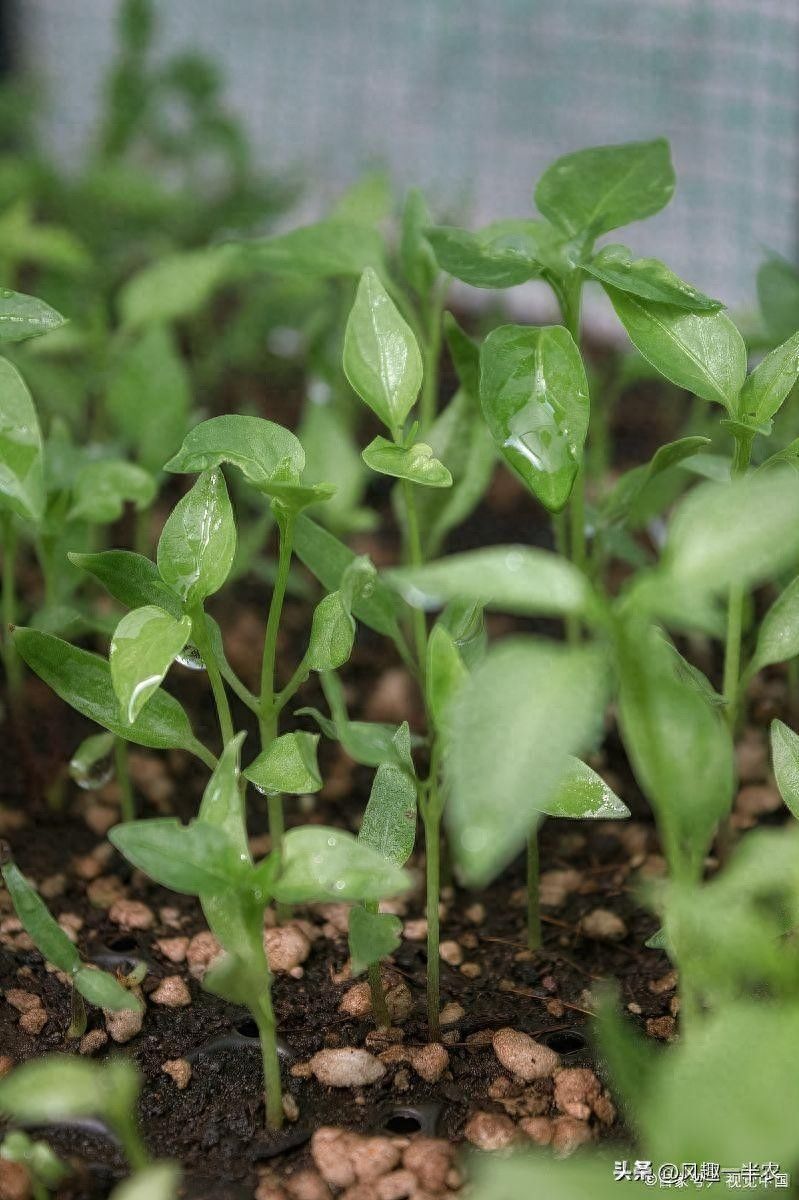
Rural revitalization, based on industry. In the past, the village of andakawa was dominated by traditional grain and oil plantations, with a single industrial structure and low land efficiency. To address the bottlenecks, the village “two committees”, building on the resource advantage of drought-prone agriculture, are exploring new patterns of sub-caffolding, where appropriate, and are piloting the construction of 15 standardized chili greenhouses. From the screening of high-quality pepper varieties, the standardization of seedlings, to full-scale water fertilizer control, green pest and pest control, the village is equipped with agro-technical services, each production chain is secured, and the foundation for the quality of chili is secured by science。
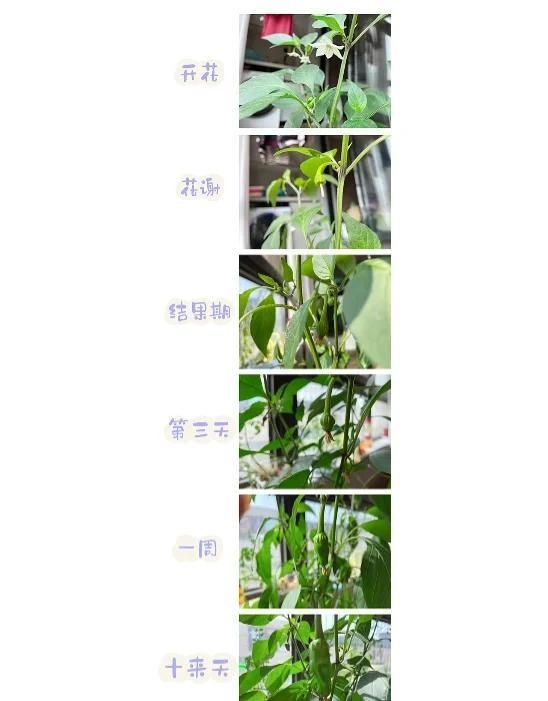
The first production of hot peppers is now fully mature, and the test results are far more than expected. The production of single-seat chili can reach 7,000 kg, with a good fruit, bright colour, high taste, local wholesale price stability at $2 per pound, high-quality chili harvests recognized by the market for stable quality, and buyers taking the initiative to shop at points and sell without farmers. The shacks generate stable industrial revenues, sustain the village's collective economy and build savings for village-level infrastructure and public goods。
“the success of the pilot shed confirms that sub-square characterization is a means of enrichment for our village.” according to guo xiaodong, secretary of the party in the village of antananarivo, the chili studio pilot broke the traditional monoculture shack and set up a two-way revenue-generation platform between the village group and the population, using the “pilot first and a little bit more”. In addition to living up to the resources of the land, the rural labour force has been able to cope more thoroughly with the problem of near-employment, and the well-being and access of villagers has continued to improve。
There are many flowers in the economy, and the towns and villages have grown into greenhouses, developing high-efficiency cash crops such as peppers, blue flowers and specialty guacamole, improving irrigation, sorting and storage facilities, promoting green standardized farming techniques, continuously optimizing the structure of the agro-industrial sector, promoting the transition from traditional agriculture to high-efficiency agriculture, and small greenhouses, which have become “taste” for rural development。
“in the next step, we will continue to build a rich industry under the shacks, bring about a steady growth of the population with a boost to infrastructure agriculture, sustain the growth of the village collective economy, sustain the economic revitalization of the huts, and pave the way for a thriving industry on both sides of the river, a rich crowd and a revitalized village of america. "the vice-president of pinezhou, he xiaohong。