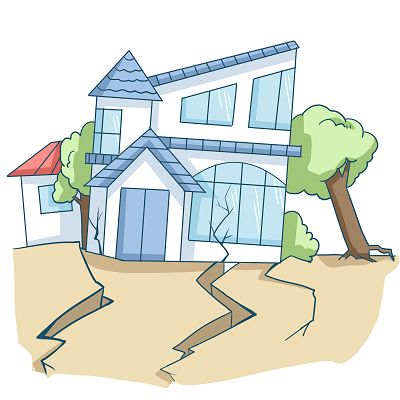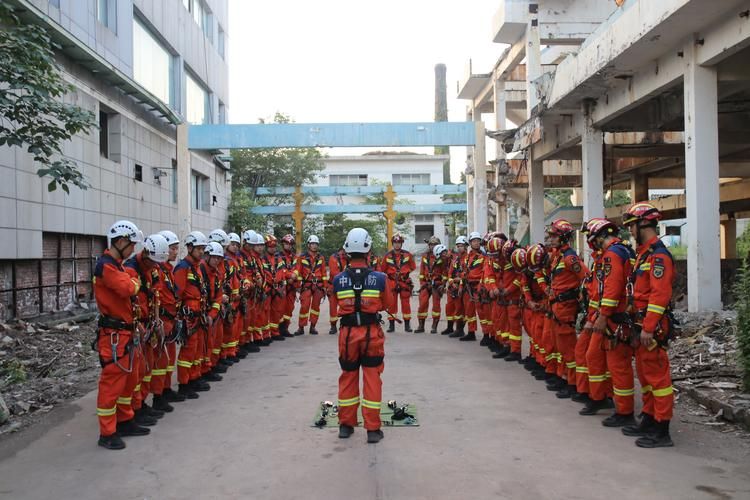
Seismic training and training in earthquake prevention is a natural disaster that causes enormous losses to human society. In order to reduce the occurrence of disasters and mitigate their effects, training in earthquake prevention has become increasingly important. Through training, people can learn how to respond to earthquakes, how to early warning and how to avoid hazards. The following is an analysis and description of training in earthquake prevention. First, training in earthquake prevention should start with basic knowledge. People need to understand the causes and principles of the earthquake, as well as the damage and impacts it can cause. At the same time, it is important to understand the rationale for an early warning system for earthquakes and how to receive and understand early warning information correctly. Only with these basic knowledge can people be better prepared for earthquakes. Second, training in earthquake prevention should focus on education for emergency response. At the time of the earthquake, people need to move quickly to take the right measures of escape and self-help to ensure their own safety and that of others. In the course of training, one can learn how to stay calm at the time of the earthquake and to acquire the right skills to escape, such as finding refuge and avoiding elevator use. In addition, training should teach people how to organize emergency response and build the capacity of citizens to save themselves. In addition, training should focus on knowledge of post-earthquake reconstruction. Although devastating, earthquakes can mitigate their effects and restore order through scientifically sound reconstruction. Training can teach people how to assess the safety of buildings and infrastructure and how to repair and rebuild after earthquakes. In addition, one can learn how to avoid secondary disasters such as landslides, mudslides, etc. Finally, training in earthquake prevention knowledge needs to be hands-on and feedback-oriented. Training should not be confined to theoretical aspects, but should involve first-hand experience and learning of seismic response techniques through simulation exercises, field trips, etc. In addition, feedback from participants, including through questionnaires, should be collected after the completion of the training in order to continuously improve the content and methodology of the training. A detailed analysis of training in earthquake prevention shows the importance and necessity of training. It is only through training that people can truly acquire knowledge of earthquake preparedness and improve their capacity to respond. Training in earthquake prevention is not only for their own safety, but also for the stability and development of society as a whole. Therefore, we should actively participate in training in earthquake prevention and in building safe and harmonious societies。