The economy is a body, finance is a bloodline, and capital markets play an important role in financial operations. China is building a regulatory, transparent, open, dynamic and resilient capital market through deeper reforms. Short-term fluctuations will not change the long- and long-term direction of china’s capital markets, and investors will be able to grow healthyly with china’s capital markets and reap a better tomorrow if they are professional and rational。
At the international monetary forum 2020, on 25 july, a member of the national council for political affairs and former chairman of the commission, xiao gang, stated that chinese assets had long-term investment value, especially structural value. The security, profitability and robustness of the rmb assets are prominent, and chinese capital markets have become one of the largest markets in the world. Since the beginning of the year, china's financial markets and international markets have shown relative stability and resilience, with the number of ipos in the two cities exceeding those of nasdaq and ncis。
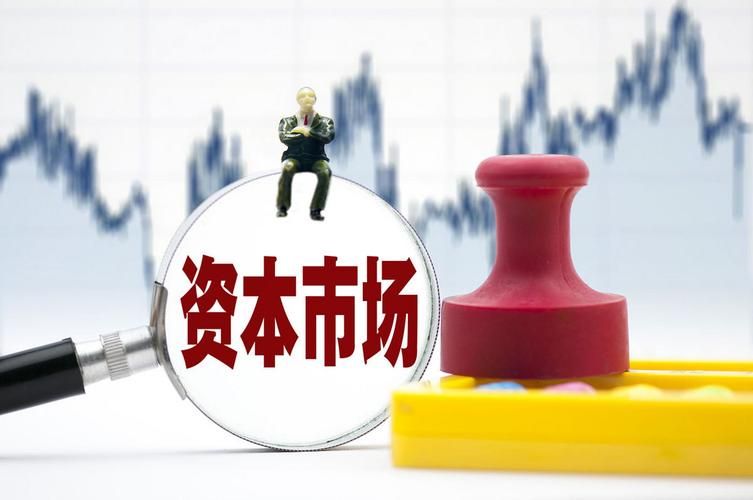
In recent days, the a stock market has again experienced a sharp decline, two times in two weeks, and some investors have begun to look down on chinese capital markets. Since july, the deep-seated market has experienced a dramatic increase, which is a normal response to high liquidity in a low-interest-rate environment, a positive response to heavy capital market reform initiatives, such as the roll-out of a registration scheme for entrepreneurship, and a positive recognition of the remarkable effectiveness of disease control and positive economic recovery in the country。
As some investors rose in the stock market, they swelled and, once the market turned back, it was immediately difficult to contain pessimism. The failure of investors to maintain objectivity is largely due to the lack of a comprehensive and deep understanding of the long-term value of investments in chinese assets。
The chinese stock market has never been available and in less than 30 years has become the second largest global market. In recent years, global investor demand for chinese equities has been rising as china's economic position has grown. According to the statistics, at the end of 2019, foreign institutions had allocated rmb 6. 4 trillion in financial assets and had maintained an annual growth rate of 20 per cent。
Foreign investment was of great interest to the chinese market, which had become increasingly attractive since the current year. The spread of the global epidemic caused significant volatility in financial markets, with the united states stock market melting four times last march, triggering a ripple effect in some countries. Compared to the volatility of international financial markets, chinese capital markets have shown a more stable performance and resilience. The well-known united states investment bank morgan stanley even listed china as a “assets haven” in the face of the epidemic, and increased the chinese stock market rating to “excessive match”。
China's assets have long-term investment value, not only because of its low valuation, but also because of their recent structural value. Since the new coronary outbreak, many listed companies in europe and the united states have experienced a rapid decline in profits, resulting in the suspension of dividends and the suspension of stock buy-backs, while cash buy-backs by listed companies have been important incentives for stock price increases. The decline in the share market in europe and the united states, as well as the weakening of the drive to increase equity prices, has led to a sharp drop in the return on financial assets, and foreign funds will continue to invest more heavily in chinese assets in order to better return on investment。
The recent sharp decline in the deep stock market, which is generally believed to be associated with the high level of foreign equity sales, shows a net outflow of $16 billion on friday. In fact, investors need not be anxious about the surge in fdi, and the value of long-term investments is the key to determining the a-stock movement. There are still many listed companies in the capital markets of china that are low on valuation and have high investment value. With the structural value of the global stock market, it is inevitable that there will be more external resources in the future that will continue to be injected into unit a to drive the market forward in the long term。
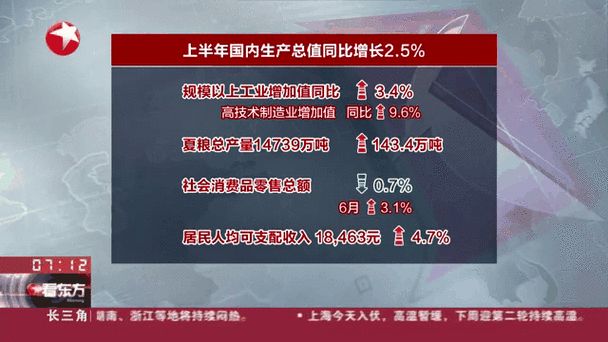
China's capital market will not change in the long run because it is based on a strong and stable chinese economy. The data show that china's gross domestic product (GDP) increased by 3. 2 per cent in the second quarter over the same period, and that economic growth recovered rapidly in the second quarter, after a period of “deepure”. China has become the first major economy to grow since the outbreak, and its economy is seen as an indispensable positive energy for global recovery, and it has thus become a central pillar for stabilizing the global economy. The inherent resilience and dynamism of china’s economy not only injected strong confidence and dynamism into the world, but must also become a strong anchor of the renminbi’s assets, attracting long-term capital flows to chinese stock markets。
The economy is a body, finance is a bloodline, and capital markets play an important role in financial operations. China is building a regulatory, transparent, open, dynamic and resilient capital market through deeper reforms. Short-term fluctuations will not change the long- and long-term direction of china’s capital markets, and investors will be able to grow healthyly with china’s capital markets and reap a better tomorrow if they are professional and rational。