Optical module electric chip market landscape (driving chip, tia, mmu, pmic)
Light module electrochips include, inter alia, laser drive chips (ld driver), cross-block amplifiers (tia), amplifiers (la), clock data recovery (cdr), power management chips (pmic) and microcontrolers (mcu). High-speed driver + tia + cdr is the core of the highest and most valuable technical barriers, as well as the most “calculated neck” link。
I. General market situation
1. Ai 800g/1. 6t light module requests a doubling of the demand from 50g→100g→200g pam4, with high-end chips continuously in short supply for 6-12 months。
2. The cost of electrochips is high in 800g/1. 6t light modules at about 10% ~18%, second only to light chips。
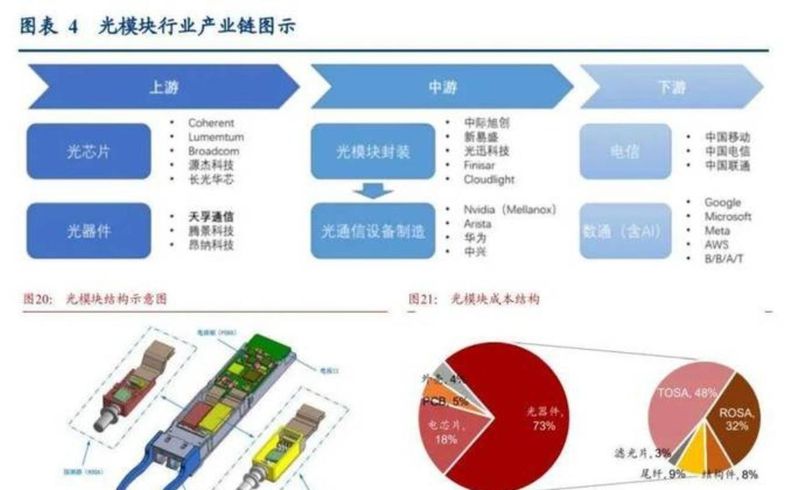
3. The global high-speed chip market is highly monopolized by over 90 per cent of the 2-3 united states manufacturers, and the country as a whole is still in the middle- and low-end breakthrough, high-end delivery phase。
4. Technical route from nrz to pam4, from split chip to high integration (driver+tia+cdr, one), with lower effort and higher integration。
International core plant and market share 1. Broadcom (botton, united states) 2. Macom (united states) 3. Semtech (united states, including acquired sierra lightning) 4
Summary: overseas combined monopolization of high-speed chips 90 % + market, domestic dependence on imports almost entirely。
Iii. Domestic companies and core highlight points
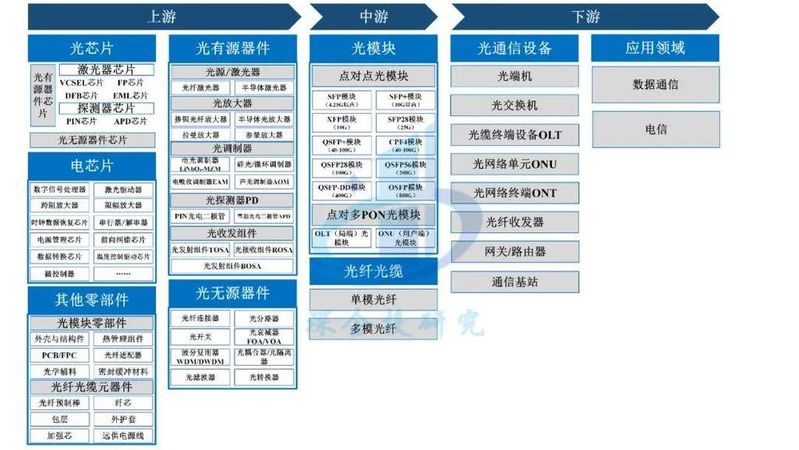
Domestic enterprises are concentrated in 25g/50g nrz, low-speed pam4, pmic, mmu, 100g/200g pam4 high-end chips are still breaking through。
Sichuan tech (unlisted, multi-listed companies) 3. Polychip microelectronic 5. Cocreted microelectronics 6. Coctage, flag cotage etc. 6. Hard core micro, saints' shares, shrippo iv, national core difficulty (where the card is)
1. High-end rate: 200 g pam4 produced overseas, 100 g pam4 in the country are still in small batch / sample, 200g basic blank。
2. High-speed electrochips are extremely demanding for noise, vibration, and power consumption, with low domestic performance and high power consumption, which does not meet the strict standards of ai cluster。
Driver+tia+cdr, which has been used on a large scale overseas, remains largely based on separate programmes, with small volumes and low productivity。
The certification cycle is extremely long。
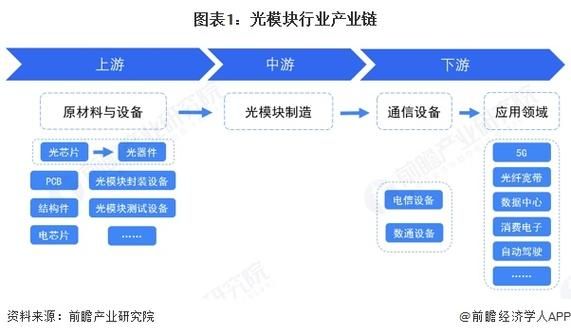
5. Eda and ip relying on overseas high-speed simulation ip, design tools are monopolized by the united states and streaming costs are high and error costs are high。
V. Upstream (design tools, crystals, sealing) downstream of domestic listing companies upstream and downstream of layout chips (self-study/investment of electric chips)
The light module dsp is the "digital brain" of the light module, where the relevant dsp (telecommunications side) has been scaled up in the country, but the number of pam4 dsp (ai / data centre) is still at a peak of less than 5 per cent. The following is carried out by enterprise ladders and technical routes (as of july 2026)。
The first stage of the domestic core enterprise and market progress (strategic team): / large-scale commercial (telecommunication + digital) 1. China is heath (self-study) 2. China microelectronics (cdc) 3. Flying synthetic microelectronics (foc) 4. Orange microelectronics (first-tier market, specialty new) 2nd stage: sample delivery / small batch (magic pam4) 1. Quantai (688515) 2. Light science (self-study + cooperation) 3. Middle innovation (self-study + investment) 3rd stage: initial creation/discretion ii, overall progress of the domestic market (2026): 70 % of national production + / china is largely dependent overseas. Digital side (pam4 dsp, ai / data centre): technology gap: the gap between dsp and overseas is about 2-3 years, with the core being in process, ip, power consumption, good rates. Iii. Core difficult points and high-end processes with card neck links are dependent on: 800 g + 5 nm/3nm, with only 7 nm mature and limited advanced processes for domestic replacements (cci). Core ip missing: high-speed serdes, adc, fec algorithm ip is overseas monopolized, self-study cycle long and costly. Work-to-noise ratio: ai cluster requires extremely low effort (certification barriers: north american cloud manufacturer certification takes 1-2 years and national chips are not yet in the core supply chain. Integration is lagging behind: overseas, already large-scale dsp+tia+driver, is triaded, and the country remains divided. Iv. Upstream and downstream industrial chain layouts 5 - summary
Domestic telecommunications are self-regulated; several pam4 dsps have made a breakthrough in 50g, but the 400g/800g/1. 6t high end is still monopolized by chase/mavil, which is the largest card neck link for the optical module electrochip, with the next 2-3 years being the key window period for national production。