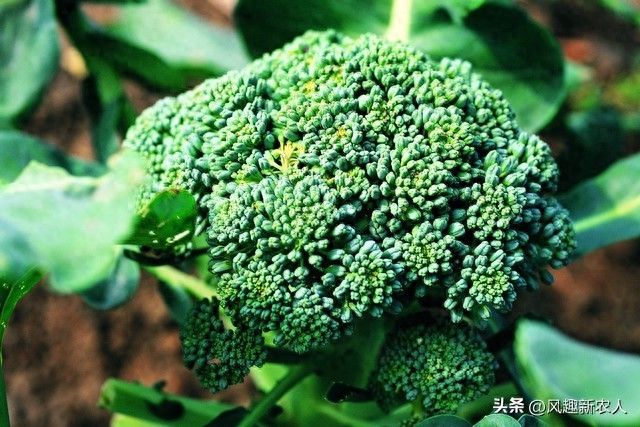
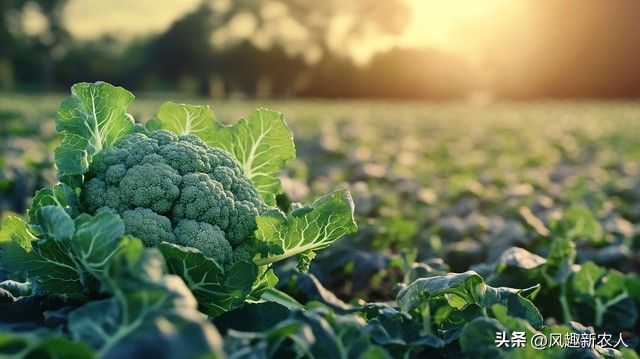
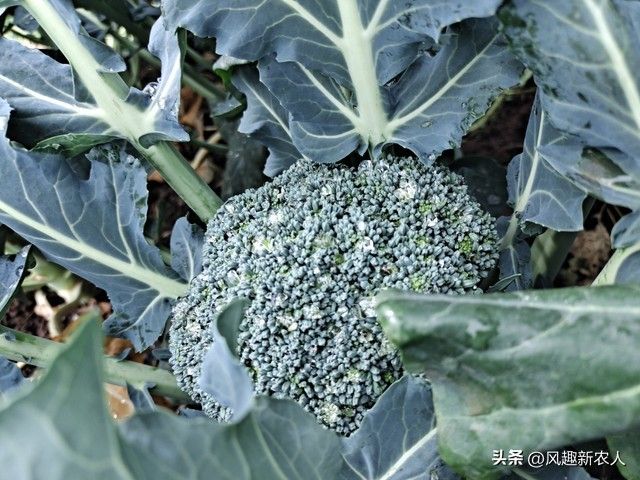
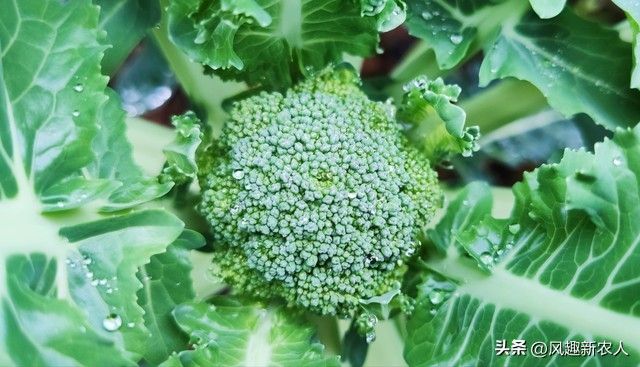
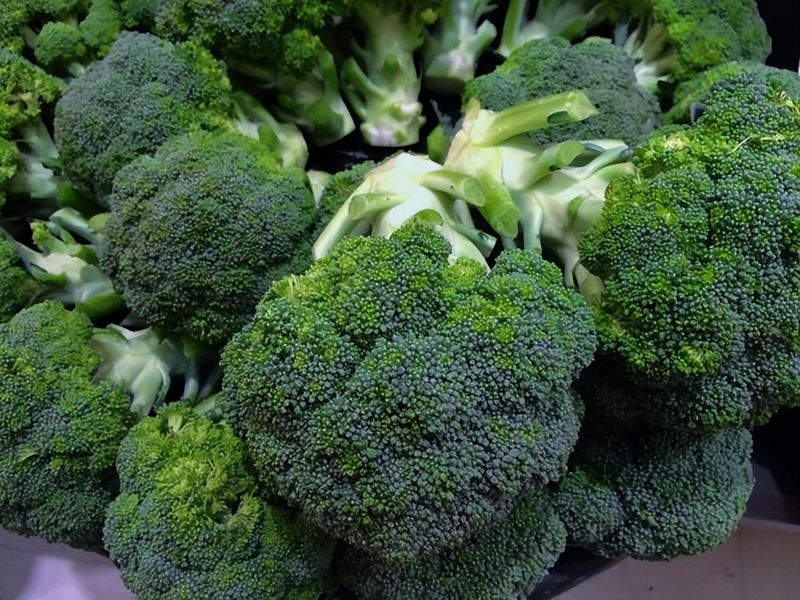
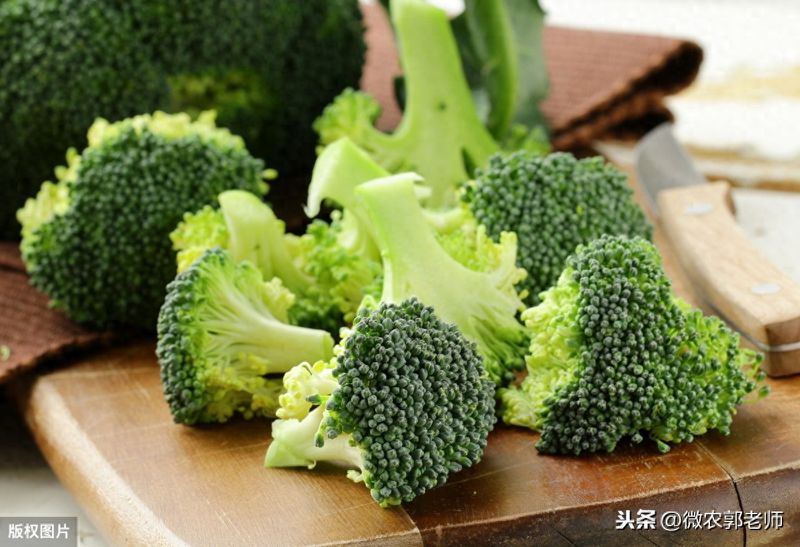
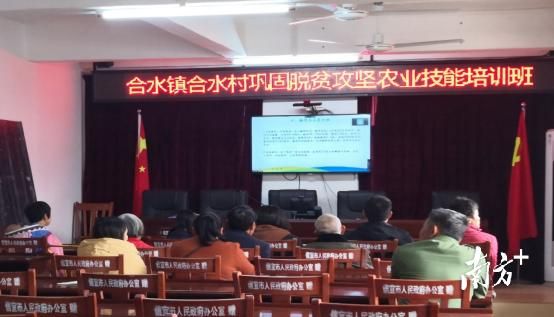
Orchids, also known as cuisine, are highly nutritious cross-flower vegetables with high market demand and good economic performance. The safe, high-quality and green core of public orchid cultivation is strict adherence to standardized agricultural production, strict control of the environment of the land of origin, the use of agricultural resources, field management and the entire process of harvesting and harvesting, elimination of the residues of hazardous substances such as pesticides, fertilizers and heavy metals, and ensuring that the quality of the product meets national standards for non-hazardous agricultural products. The full range of requirements for planting techniques is summarized below in order to regulate the risk-free production process and improve yields and quality。
I. Environmental selection and remediation of the country of origin
The primary prerequisite for the production of non-hazardous broccoli is the selection of a suitable site, where the environment must meet environmental standards for the production of non-hazardous vegetables. The base needs to be removed from industrial parks, farms, main transport routes and sources of pollution to ensure clean air, soil and irrigation water。
Soil preference is given to deep-dwelling, estranged and fertile, drainage-friendly sandy or bordery soil with high organic content. Soil ph values are appropriate at 6. 0-7. 5 to avoid entanglements, cross-facility vegetables are strictly prohibited, and crop varieties such as rice and maize are given preference for rotation as plots to effectively reduce the endemic pest base. Pre-planting requires deep tillage, which is controlled at depths of 25-30 cm, the clean-up of field residues, weeds and pests, the drying of soil for 7 to 10 days, and the improvement of soil physicolysis. It has also been accompanied by improved drainage and drainage systems for drought and drainage, the elimination of water from fields and the creation of an environment conducive to the growth of the broccoli roots。
Ii. Varieties selection and seedling
(i) choice of varieties
High-quality broccoli varieties that are resistant to disease, adaptable, good for commodities and durable for transport are selected according to planting seasons, local climate and market demand. Springs and autumns allow for the selection of medium- and early-finished varieties, and autumns and early springs give preference to cold-resistant, anti-smoking, medium- and late-finished varieties, and resolutely eliminate the use of poor-quality, expired, genetically modified seeds and ensure the quality of cultivation from the source。
(ii) time of seeding
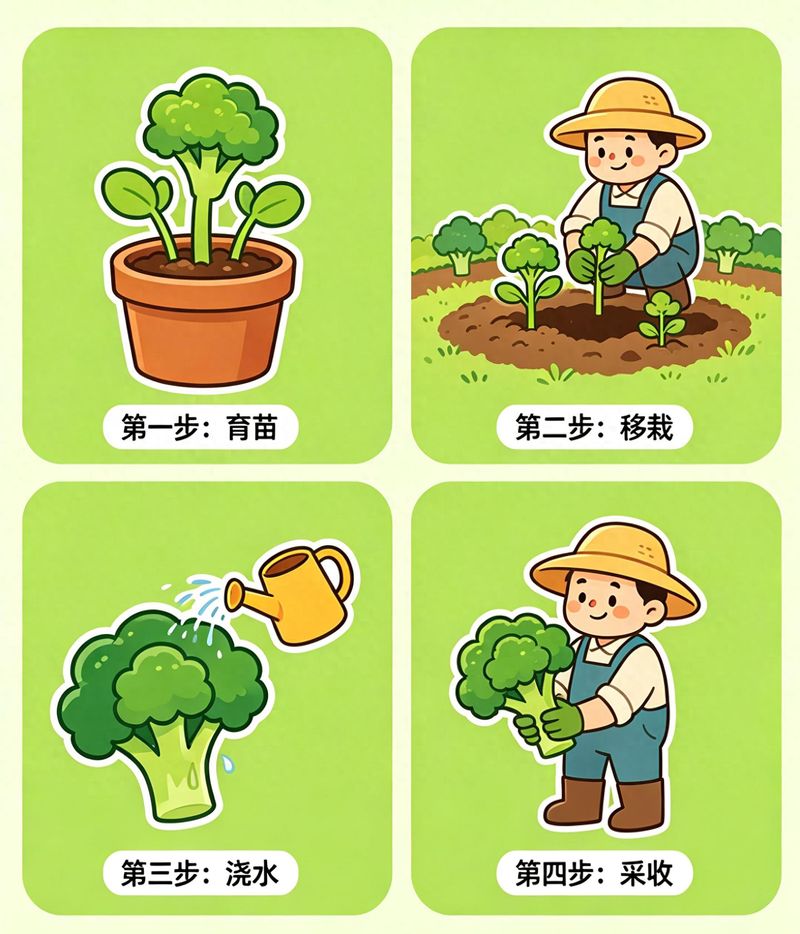
A reasonable fault in seeding is the key to the quality of production. In field cultivation, the range of pre-maturized varieties was planted in mid-july-mid-august, with mid-prematures in late august-early september and late-dependant varieties in mid-september-late october, and in mid-january, the sheds were planted in mid-spring, and the fall-over plantings were planted in mid-october, with the amount of seed per acre being controlled at 20-30 grams。
(iii) regulating chemical seedlings
Under the cave-breeding model, priority is given to 200 dens of nutrients, 60 per cent of seedlings, 20 per cent of pebbles, 20 per cent of pearl rock blends, or 2 per cent of corroded organic fertilizers are mixed with disease-free vegetable gardens, with pre-wetting of the base to eliminate germinating. One seed per den, which is then covered with thin substrates and water through the bottom。
Precise temperature control of seedlings is managed at 20-25°c in the day, 10-15°c in the night, 15-20°c in the day and 8-10°c in the night, before seeding in the spring. Low-temperature seedlings 5-7 days before planting to increase the resilience of young babies. Shrimp periods follow the principle of small water intubation, maintain a base of wet and dry water, and strictly control the growth of seedlings and diseases, as well as the growth of small, well-developed, disease-free and age-appropriate seedlings。
Scientific planting and field management
(i) plantation norms
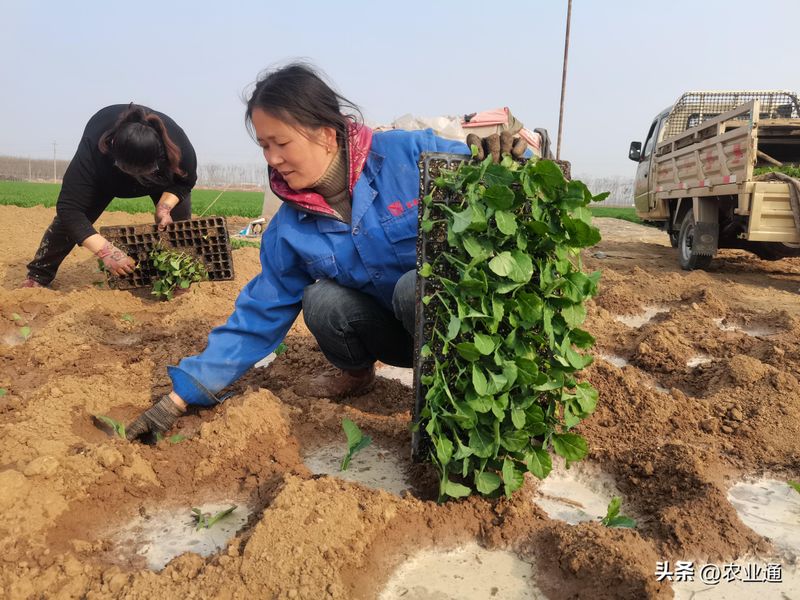
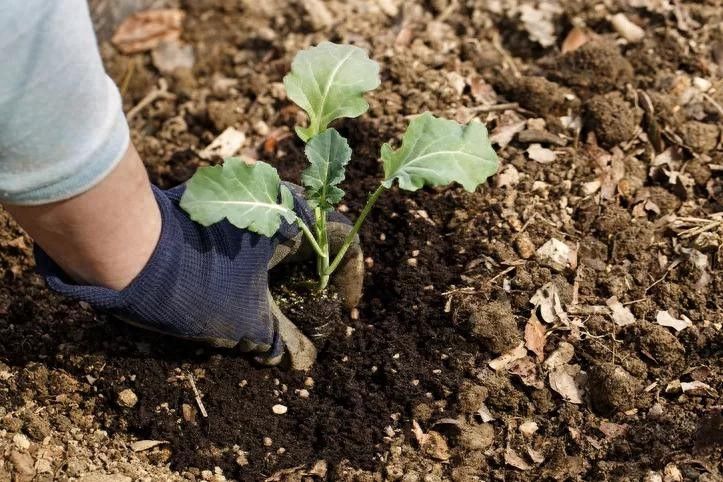
The seedlings can be planted as long as they grow up to 4 to 5 real leaves, 25 to 30 days old. The application of fully decomposed farm weights of 2000-2500 kg per acre prior to planting, and the use of triple compound fats of 30-40 kg as bottom fertilizer prohibits the use of uncomposed organic and super-standardized fertilizers. Ramp cultivation, with a width of 1. 2 metres, with a distance of 50 centimetres and a distance of 40 centimetres, with 3000 to 330 plants per acre, which is followed by the replanting of the root water to facilitate the operation of slow seedlings。
(ii) fertilizer management
The principle of “baby-based, assisted, organic and chemical” is strictly followed. A slow seedling is followed up once with thin, decomposed water or a small amount of fast nitrogen fertilizer to promote seedling growth. Pre-seizure plant fattens, dominated by potassium nitrogen; bouquets are critical periods of fertilization, with emphasis on supplementing potassium phosphorus and micronutrients。
Orchids are sensitive to boron elements, and the lack of boron leads to distillation of the pyrocardials, the deformity of the flower ball, which is sprayed with 0. 2% bogus + 0. 1% ammonium molyte 2-3 times at intervals of 7-10 days and effectively increases the commerciality of the florist. Water is poured in the form of drip irrigation, micro-spray water conservation, soil moistation, varnishing and flooding, and water drainage and flood control in a timely manner to avoid disease。
(iii) cropping and plantation management
Seven days after planting, the first medium tillage is carried out, and 25 days after planting, the second medium tillage is carried out. When the field is closed, the cultivation is stopped and weed preference is given to artificial extraction, and the use of highly toxic, highly residual herbicides is strictly prohibited. :: timely cleaning of old, sick and residual leaves in the fields, improvement of ventilation in the fields, reduction of pests and diseases and concentration of them for deep burial outside the fields。
Iv. Green pest prevention and control techniques
Pest prevention and control for broccoli disease upholds the principle of “preventive predominance, integrated management and green safety”, giving priority to agricultural, physical and biological control, severely restricting the use of chemical pesticides, eliminating the prohibition of pesticide use, and severely controlling the dose and safety interval of medicines。
(i) agricultural control
Increasing the resistance of plants to pests, destroying the environment and reducing the incidence of pests and diseases from the source, through such measures as rotation, deep tillage, cleaning of fields, nurturing of strong seedlings, rational planting, scientific fattening。
(ii) physical and biological control
Insects such as cedars, booby traps, moths, night moths, etc. In the fields; artificial capture of older pests and removal of foliage. A high infestation of pests can release natural insects or use biopesticides for control, low toxicity, and no residues。
(iii) scientific chemical control
The use of low-toxic, low-residual and efficient pesticides is selected in strict compliance with the non-hazardous pesticide criteria. Vegetable larvae and moths may choose to use the aphid adsorbant spray, and aphids may choose to use the aphid aqueous dispersorption agent for 1-2 times per birth, strictly observing a safety interval of more than seven days. Overdoses and over-frequency doses are prohibited, and pesticide residuals are firmly suspended until they are collected。
V. Receiving and staff transfer management
(i) collection in due time
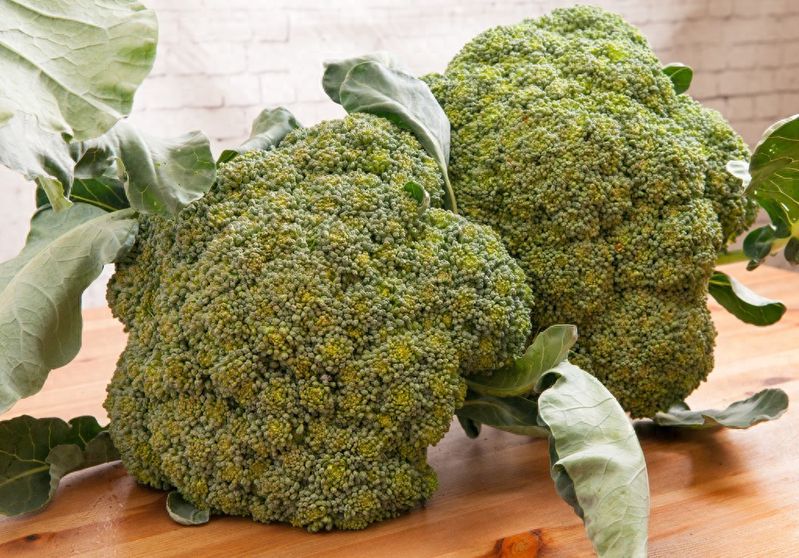
The pick-up time for broccoli directly affects the quality and value of the commodity, with the premature production of the harvest being low, and later the flower balls loose, yellow, aging and empty, and loss of commerciality. The best harvest standards are full expansion, tightness, green colour, undispersed deformities, disease-free spots. At the time of harvest, three to four leaves below the flower ball are preserved, the ball is protected, the timing of harvest is preferred at early morning or low-temperature hours in the evening, avoiding high noon temperatures and reducing water loss。
(ii) classified storage shipments
They remove deformation, decomposed, pathological sub-products in a timely manner and are packaged according to size and colour, and packaged materials are clean and non-polluted. Low-temperature ventilation is maintained during storage operations to avoid crushing, tan and rain, and mixing with toxic and hazardous substances is prohibited. At the same time, a production desk has been set up to keep detailed records of planting, fertilization, use of medicines and harvest time, with a view to achieving traceability throughout the entire process and ensuring the quality of the orchid product。
Concluding remarks
West orchid harm-free is a standardized, standardized, fully controlled production system centred on strict control of the land environment, preferred species, green management and scientific management. In the process of planting, the technical requirements of the chain need to be strictly implemented, with a view to eliminating widespread cultivation patterns and reducing the pollution of fertilizers and pesticides, taking into account production, quality and safety. Standardized risk-free cultivation can effectively increase the value of broccoli commodities, meet consumer demand for green and safe diets, and promote green sustainable development of the vegetable industry and increase economic efficiency and market competitiveness. Technical requirements for salty orchid cultivation