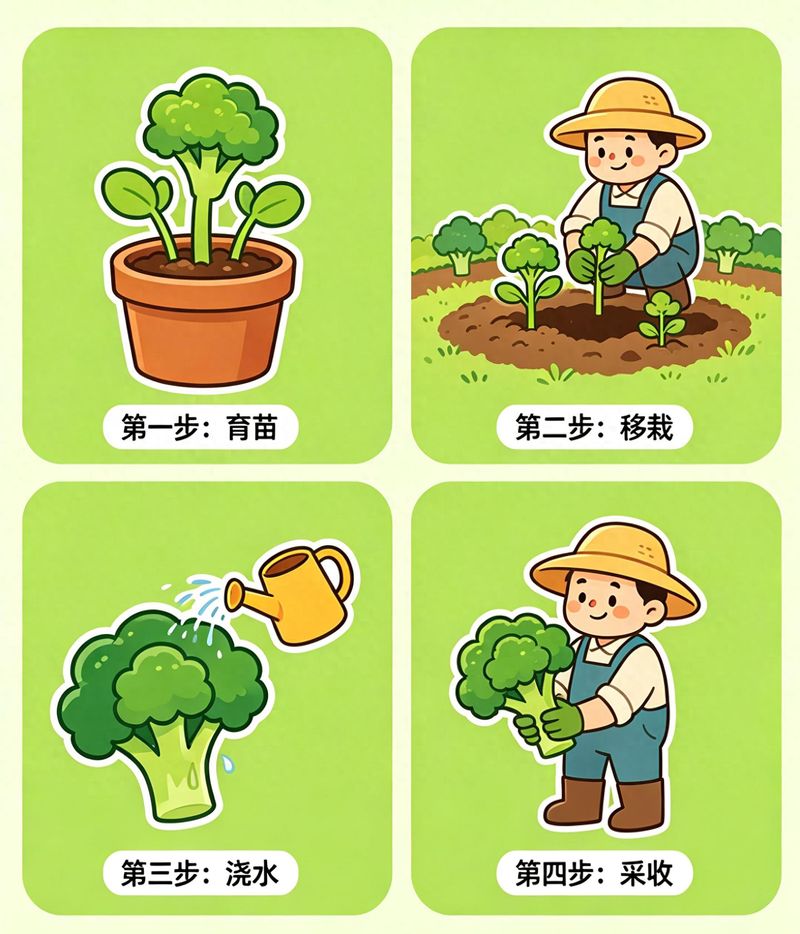
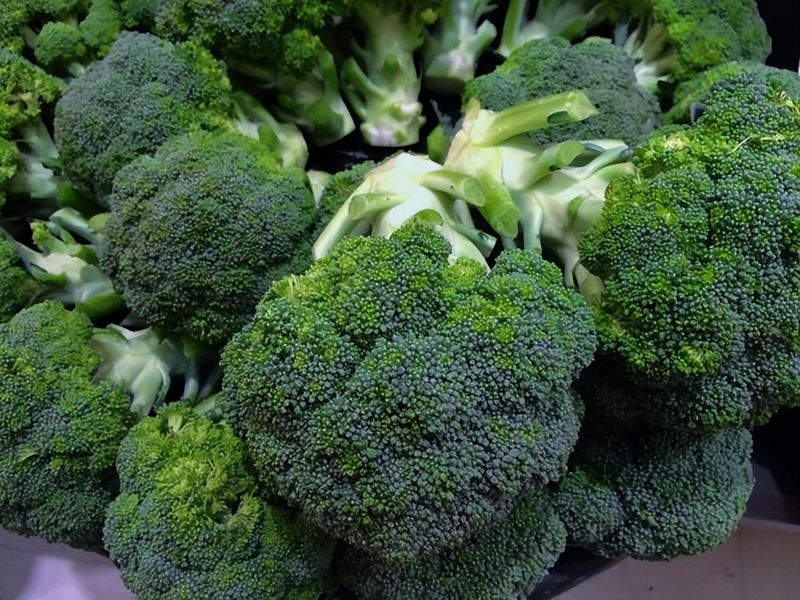
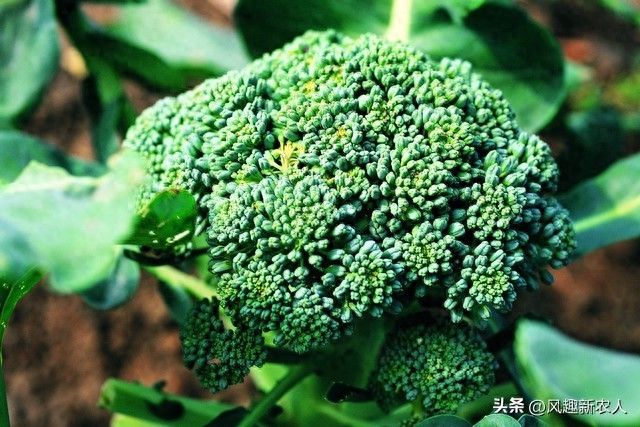
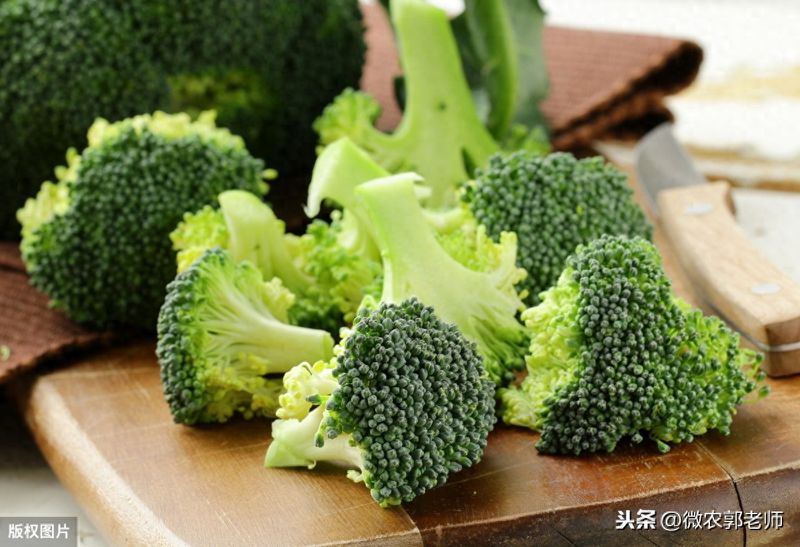
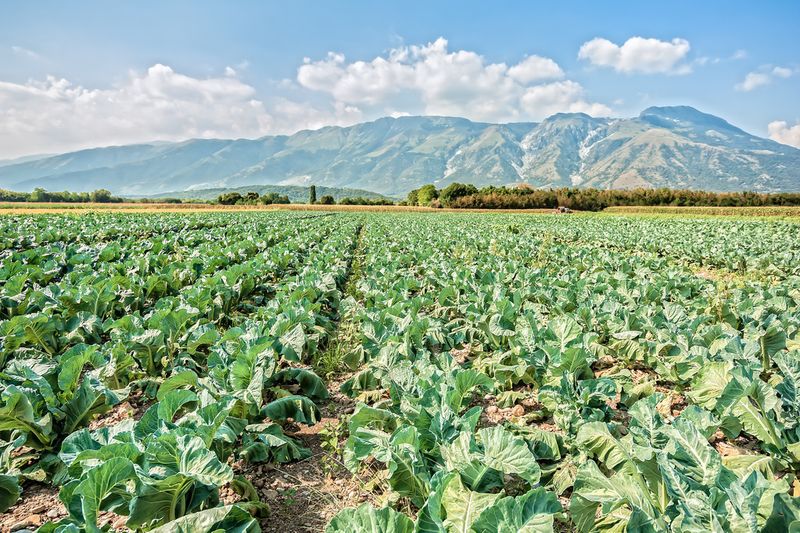
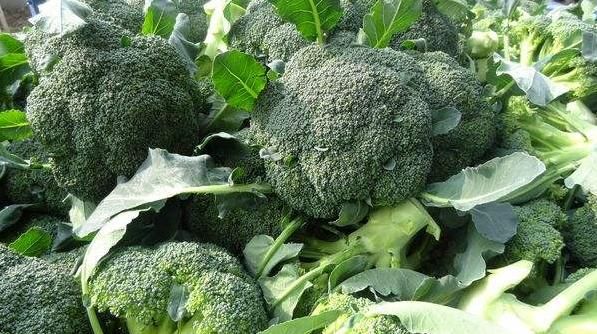
Orchids, also known as cabbage, green cabbage, cross-flowered curvatures of kale, are vegetables for human consumption. The high protein content and the abundance of vitamin a, vitamin c and calcium are of high nutritional value. In recent years, with the rise of the chinese economy and the rising income and material standard of living of the people, the orchids have become fully visible at the table of our chinese citizens. The restructuring of the supply side of agriculture, the development of functional agriculture and the urgent need for healthy and functional vegetables have created opportunities for the development of orchid production in the shipping areas. In some of the vegetable-producing areas of the transport city, rey city, yunji city, xia county and xinxi county, large-scale facilities were started to plant orchids of high market potential and economic value. At present, vegetable farmers grow broccoli with experience and with poor management techniques. In order to promote the production of high-quality, fine, distinctive and eco-ecological broccoli in rey county, the relevant planting techniques are summarized below in the light of practical experience, with a view to informing the development of high-quality green eco-chizophrenia by a large number of vegetable farmers and helping them to climb new levels of broccoli cultivation。
1 species selection
The selection of suitable varieties is the basis for increasing the efficiency of broccoli cultivation. Selection of successful high-yielding species in the region, with full knowledge of their adaptability, resilience and optimal seeding times, and reasonable selection of early, medium and late-cut varieties, taking into account the natural conditions such as the climate, soil and water resources of rey county, depending on the timing of the planned listing. Medium- and early-literate varieties are:"the future."♪ ♪ ♪ mountain water ♪'. "su-green""beale."'the fire peak'the goddess.'"the green peak."' et al.; medium and late-literate varieties such as: 'st. Green ''the green crown♪ 'cause she's green ♪'the emerald 90"february day"standover six."'wait。
2 dens seedlings
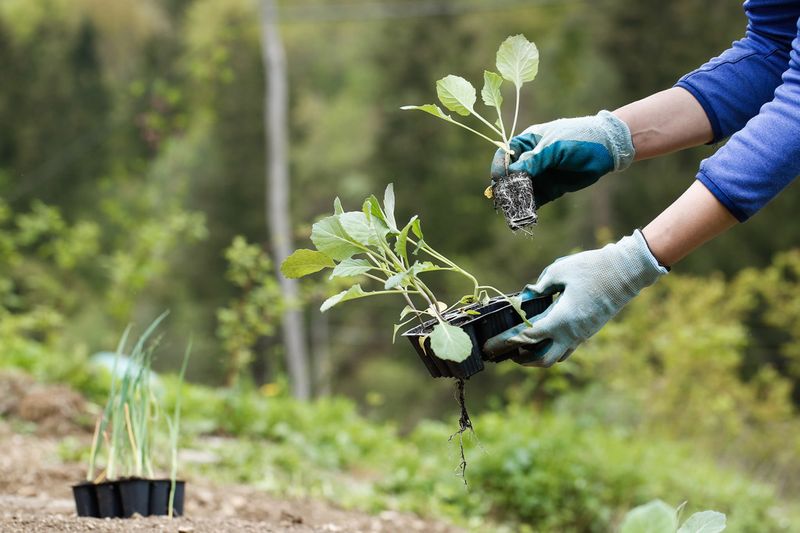
The advantages of small seedlings, strong seedlings, non-harmed roots, high survival rates, reduced use of medicines and increased production by 10-15 per cent are now widely used in the west orchid sheds in the transport area and in greenhouse protected areas. Plumbing should be noted: (1) the specification of the plate should be based on 72 or 105 holes. (2) select the light matrix (peat: pearlite: selenite = 2. 1:1), which can be accompanied by apple slag 10kg/m3, which is to be disinfected with the pre-form and which is to be added to the ablution fertilizer 2. 5kg/m3. (3) seeds are treated with 50-60c warm water impregnation and pharmaceutical agents. (4) the management of the seedling period shall control the moisture, ventilation, temperature and light conditions, as well as the management of the seedling and seedling periods. (5) the application of control techniques for the period during which seedlings are planted will dilute the leachate by 1,000 times and spray it on seedbeds before seeding, in order to prevent sudden fallout and drying。
3 solid floors
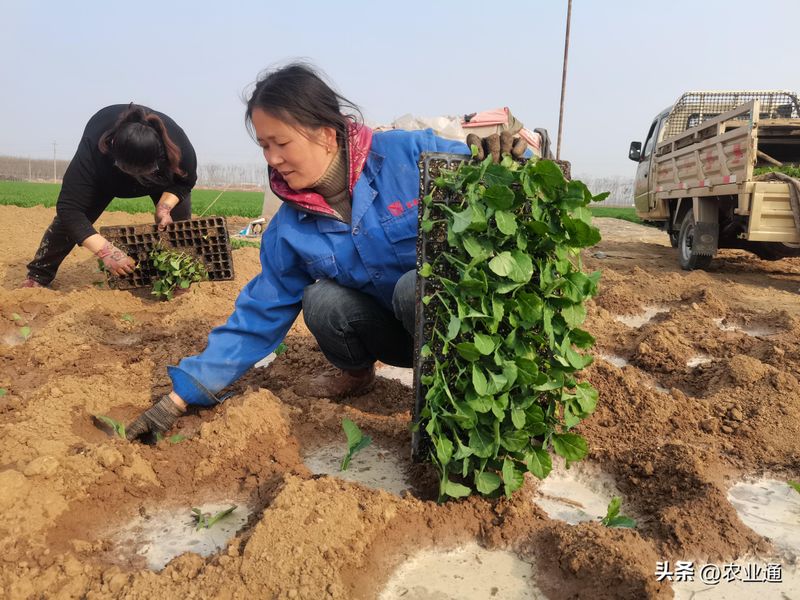
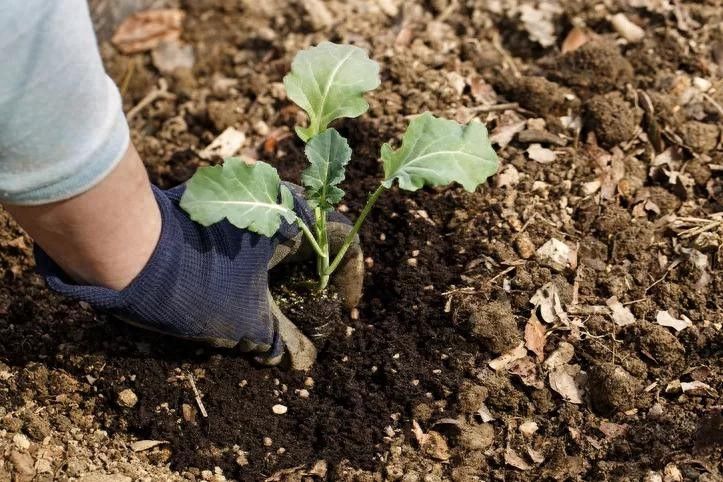
Soil sterilisation: soil sterilisation using bioconservative techniques such as biofouling, bioconservatives and physical control techniques. In total: 4t per 667 m2 application of decomposed farmers ' fatty, 50 kg slow decomposition, 4 kg bovine fertilizers, using microcropping machines to farm the soil, to the extent possible, and to keep the soil in the shed soft. (b) application of a straw biological reactor technology: 20d pre-plantation, (1) ditch opening: 45 cm wide, 30 cm deep, 130 - 150 cm deep, and (2) stubble: well-stubbed ditch full of dry straw, measured at 3 - 5t, approximately 30 cm thick, and 10 - 15 cm slots at each end of the ditch for water and fermentation purposes. (3) spectrum species: per 667 m2, the mass ratio of straw to bacteria is about 10 kg, with a mass ratio of 400:1, mixing urea 5-10 kg. (4) land cover: refill the soil on both sides of the ditch on the straw, not less than 30 cm thick and flat. (5) watering. (b) start-up: use of flat-share double-cropping, scientific configuration range, 1. 5 ~ 1. 7 m wide, 55 ~ 65 cm small and 35 ~ 40 cm small, depending on the size of the shed. (b) plantation: the selection of mornings to take place in the middle of the sun is as far as possible, with a five-leaf one-heart seedling of 2,400 to 2,700 plants per 667 m2, shallow planting during planting, 12 to 18 cm deep, reduction in the incidence of tubular decomposition and subsequent water recharge。
4 broccoli plant management
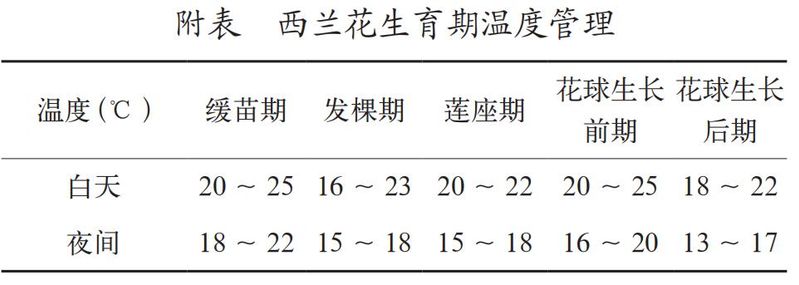
4. 1 temperature management: following the completion of planting, and in the light of weather conditions, normal daily ventilation during the growth and development of the broccoli, intruding vents, keeping the temperature in the greenhouses and in the sheds appropriate, so that the plant is robust, the flower balls are tight and the colours green. The temperature management reference for broccoli during childbirth is as follows (see table)。
4. 2 light management
The broccoli is a low-temperature, long-suntaneous plant, glamorous and insensitive to the light cycle reaction, but it is important to ensure that the light is sufficient during the flower ball formation period to promote a tight colour. It is recommended that the current facilities greenhouses, large shed-covered materials should, to the extent possible, select po films with high perforation, high dispersive, well-drive, and high-resilient, high-resilient, and timely removal of impurities such as water droplets and dust from the shrouds, in order to cope with the effects of severe haze weather in recent years on the production of the facility's vegetables。
4. 3 hydraulic management: the humid environment of the west orchids, with increased demand for moisture as the plant grows, attention to soil moisture and air moisture control in cultivation management, especially during flower ball development, with 65% ~75% soil and 80% ~90% air moisture. It is recommended that drip irrigation be used to determine the amount and spacing of the water, depending on the size of the situation, soil moisture, weather, and after each watering, to improve ventilation and to remove wet air from the shed in a timely manner。
4. 4 nutrient management
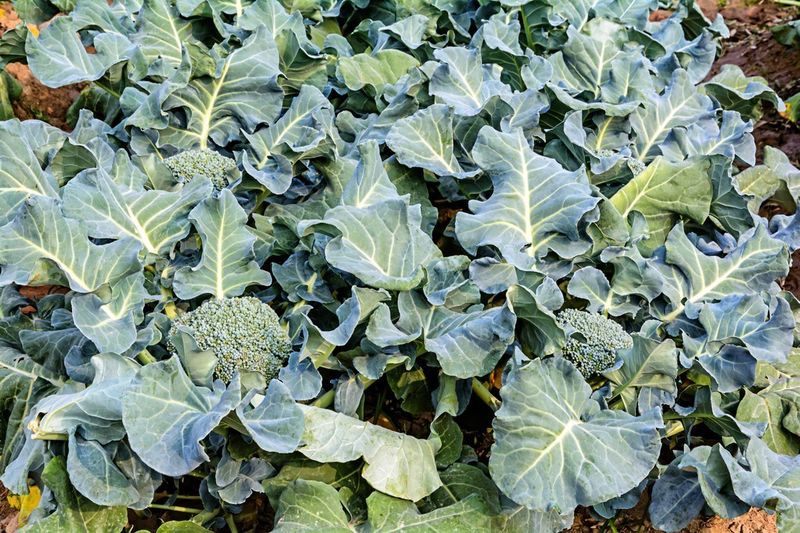
It would be preferable to combine the application of the drip tube with the application of the formula and the integration of the fertilization. The demand for nitrogen, phosphorus and potassium in broccoli is highest in nitrogen, followed by potassium and lowest in phosphorus. In conjunction with the nutrient demand of the broccoli during the reproductive period, scientific eco-fertilization is required for 20d per 667 m2 urea 6kg, phosphate dihydrogen 9kg, quality biobacterial fattening 50kg; application of high-quality biological organic fattening or 30 per cent of the marshes during the rooster season and the lotus season, application of amino acid folate fats 3-5 times, 0. 1 per cent of boron acid and amino acid solution 1-2 times to prevent the empty heart or decay of the plume; application of 25kg per 667 m2 high potassium complex fatting, 10 kg of urine for the vagination period, 50 per cent of the marshes to boost the growth of the plume and increase the yield; and prohibition of human urine due to the difficulty of washing after the pollination of the plume。
4. 5 cropping in china
Plow the pine soil in time for planting, remove the weeds by hand, combine with fatting 3-4 times, do not cause injury and do not spray herbicides。
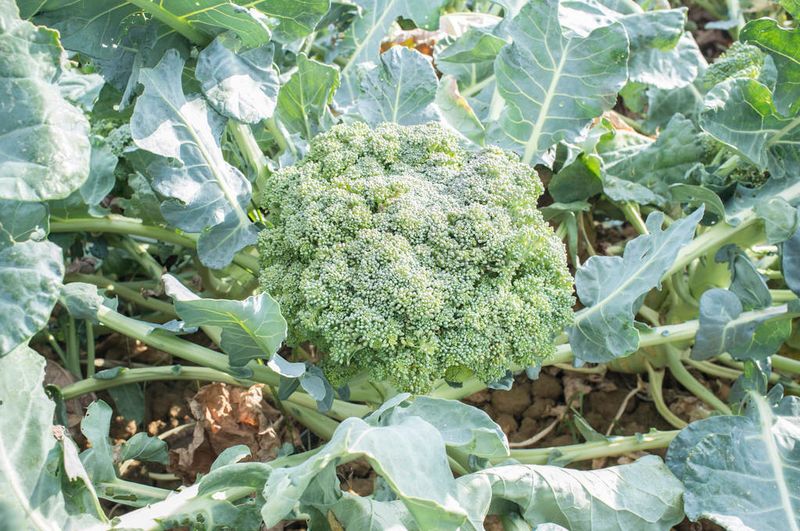
4. 6 planted soil: to promote the growth of the base of the main tuber, to increase the use of fertilizers, to prevent the planting of plants, to produce soil in a timely manner, and to be moderate and not too thick, causing poor ventilation。
4. 7 plantation adjustments: spectrums should be removed regularly and in a timely manner prior to harvest from the plume; the plume, side plume and supplies should be removed as soon as possible in order to reduce nutrient consumption, so that the main plume of the nutrient supply will grow and 4 to 5 strong side branches will be selected。
4. 8 disaster weather response: close attention should be paid to weather and timely defensive measures such as cooling, strengthening, flood control, cleaning of shanty films, sunnets and safe production of installations in response to catastrophic weather events such as cooling, wind, storm, snow and heat。
5 pest management
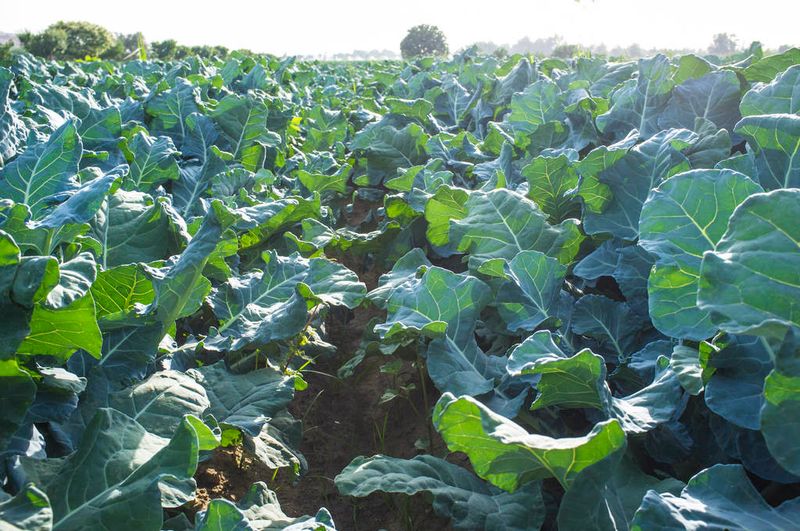
The pests that endanger the broccoli in the jinnan area are larvae, moths, aphids, slashed night moths, smoke ticks, beet moths. Preventive measures: enhanced field monitoring, determination of insects and early prevention and control; maintenance of clean and clean environments in and around the sheds, timely manual removal of residual leaves, strains, sick leaves, weeds, and elimination of the environmental conditions that induce pests; use of cedar blueboard booby traps, solar-fibration lanterns, sexual baiting, covering of pest-proof nets, and manual capture of insects; promotion of the use of sour fungus, 5 per cent amethrin emulator emulsions, 5 per cent beetling night moths, beetling night moths, beetlings, cabbage pellets, bitter alkaline, etc., to combat biological pesticides, so as to prevent the spraying of vegetation, which has had a better impact in the southern security demonstration area of the city; protection and utilization of the development of natural insect pests, beaks, beaks, bees, spiders, grassworms, bees and bees, etc。
Prevention of 6 diseases
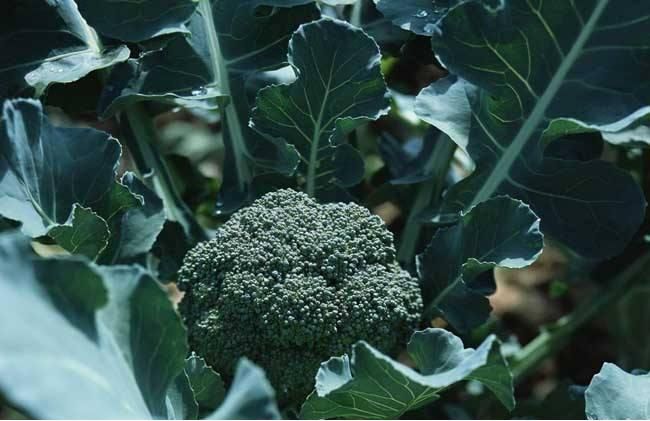
6. 1 prevention and treatment of physiological diseases: physical diseases after the orchid catch are generally yellow plume, small leaves grow in the middle of the plume, cat eyes, purple porcelain, yellow pellets and hollow hearts. Control measures: varieties should be suitable during seeding periods to avoid chronic or high temperatures; planting density should be reasonable; temperature in the sheds should be appropriate and measures should be taken to avoid excessive or too low temperatures; soil moisture should be maintained throughout the reproductive period to avoid drastic changes in soil moisture such as dryness and overwetation; root systems should be maintained; post-growth fertilization should be appropriate, leaf-leaf fats containing minor elements such as beryllium, magnesium, calcium, etc. Should be sprayed, biobacterium and organic fertilizers should be applied to maintain a good soil environment; and cold, low, snow and high temperatures should be protected against freezing and cooling during extreme disasters。
6. 2 prevention of sexually transmitted diseases
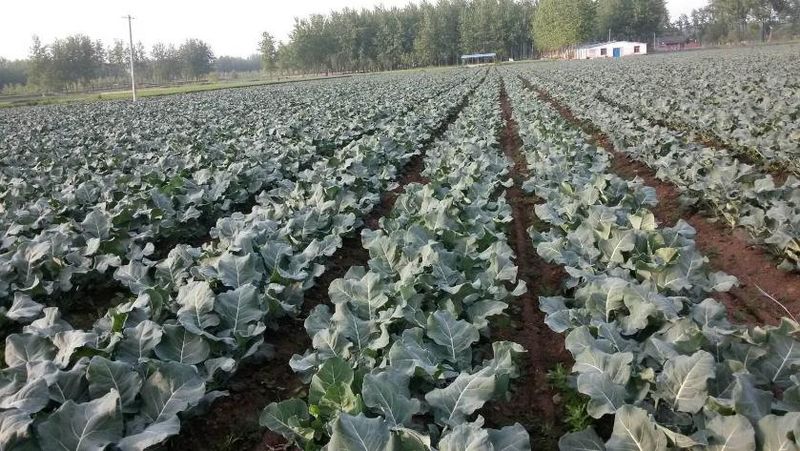
The main causes of the severe orchid disease in the area are frosting, chrome nuclei, black spots, root and black diseases, flower ball rotting spots, decomposition on the top of the florist ball. The main causes of the disease are the lack of precision management of the environment and poor farming practices, resulting in temperature, humidity or low levels in the shed, which create an enabling environment for the spread of the disease. Prevention and control measures: selection of high-quality, anti-pathological and enzyme varieties; timely planting of high-quality biobacterial fertilizers; timely cultivation of soil, deep tan and removal of sick leaves; application of biological agents such as bacterium graft, hatz mollusc, pink mucus, etc., under suitable conditions of temperate humidity; use of these microbacterial agents to worsen the fungility of bacteria or to suppress the degradation enzymes of diseased plant tissues, with attention paid to wind and light management; improvement in healthy cultivation, improved resistance to strains, such as more scientific fattening of water, more use of high-quality biobacterial fertilizers, prevention of plant growth, control of temperature, humidity, light, etc. In sheds as much as possible, control of the maximum temperature during the day, at 23° 28c, relative humid control below 75 per cent, with attention to wind and light management; reduction of artificial injury wounds during agricultural operations, such as extraction of leaves, harvesting and harvesting, and avoidance of infection with disease; control, such as the use of medicines, of high-efficiency pesticides。
7 collection
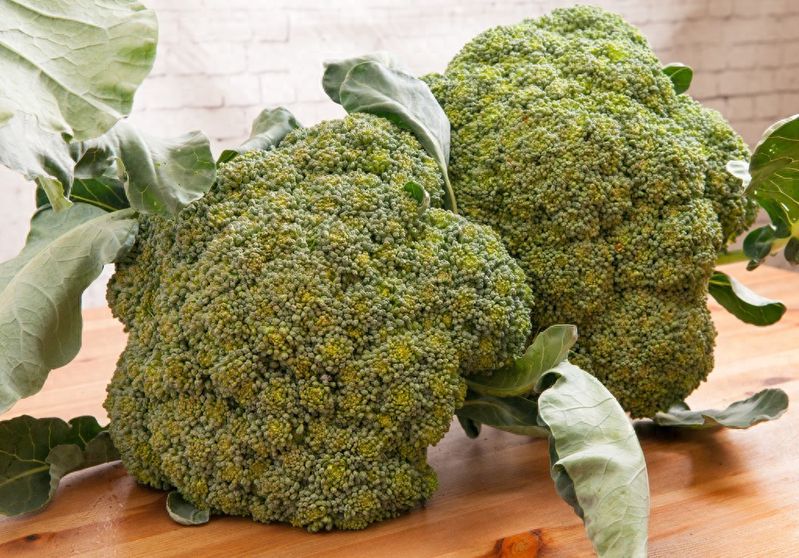
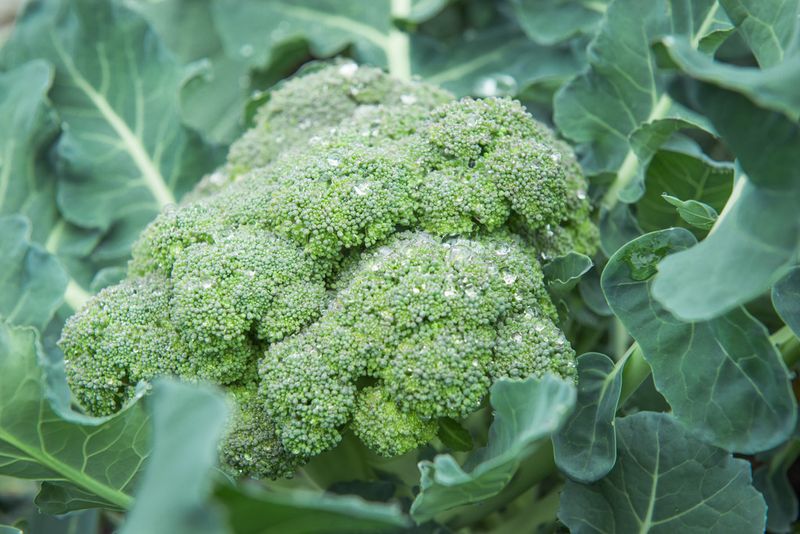
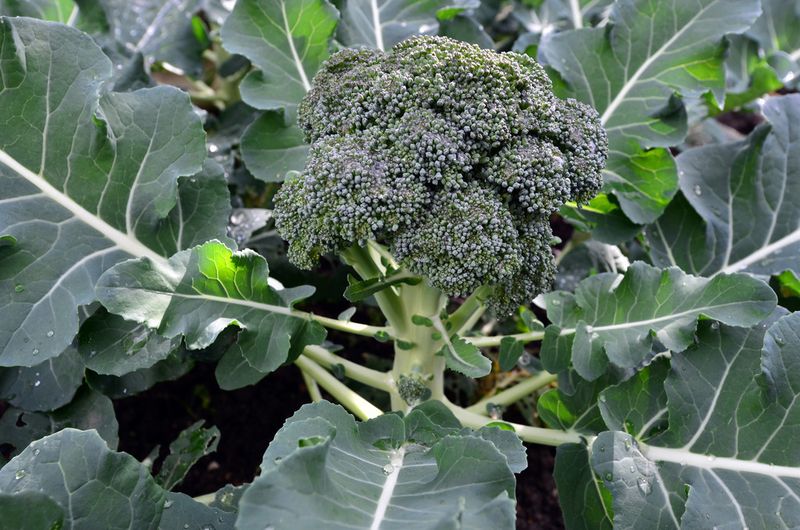
The harvest period for broccoli is more stringent, pesticide spraying is prohibited prior to harvest at 20d, and is timely if the product standards are met in order to improve its full value. The collection criteria are 13 cm in diameter and 17 cm in diameter, with no less than 14 cm in weight, 400 ~ 500 g in weight, tight, rounded, mushroom-shaped, small, blue green, no yellow hair, cabbage, no insect, no insect, no insect, no serious damage. Time of harvest: manual harvesting is the best way to harvest in the morning and evening, avoiding heat and sunlight. Packagings are on the market: broccoli tissues are thin, with four orchids of five leafs at the time of harvest, collection and handling are light, and flower balls are to be sold in stages and sold in time for immediate storage。
Establishment of production files
The establishment of records of the production of broccoli, which must be recorded in a register of names, sources, usage, usage, date of use, date of decommissioning of used agricultural inputs, as well as a record of the full extent of vegetable growth, facilitating the tracing of quality safety issues and the tracking of production processes, and following the path to eco-ecologicalization, safety and high quality of broccoli production。