Peasants, it's not as simple as digging holes to plant them! A large number of farmers are scheduled to grow at different times, either in the wrong densities or by applying fertilizing or miswatering, resulting in the sapling of seedlings and the death of a tree, with mixed growth, small and scattered bouquets and a direct halving of production. Today, we share the whole set of practical practices, and every step of the way is clear。
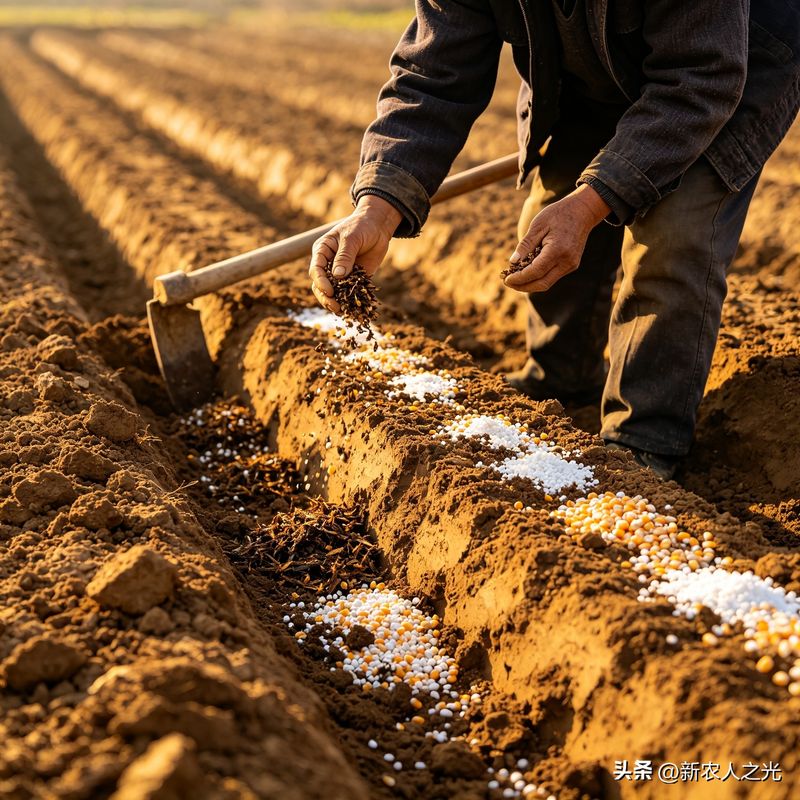
The first step was a thorough application of bottom fertilizer, with soil fertility as the basis for high productivity. The broccoli likes lax, well-watered soil, and it's heavy. It's a field with cabbage and radish. It's two to three years. The 25 centimetres of deep-tilled soil, 3000 kg of manure per acre, 50 kg of compound fattening of three dollars and 20 kg of calcium perphosphate, were applied 10 days before the planting, evenly rolled into the soil, avoiding direct exposure of the fertilizer to the root system and preventing the burning of seedlings. It is then raised, 50 centimetres wide, 20 centimetres high, 30 centimetres wide in a ditch, well planted and drained, rain-free, roots intact, and half of the disease。
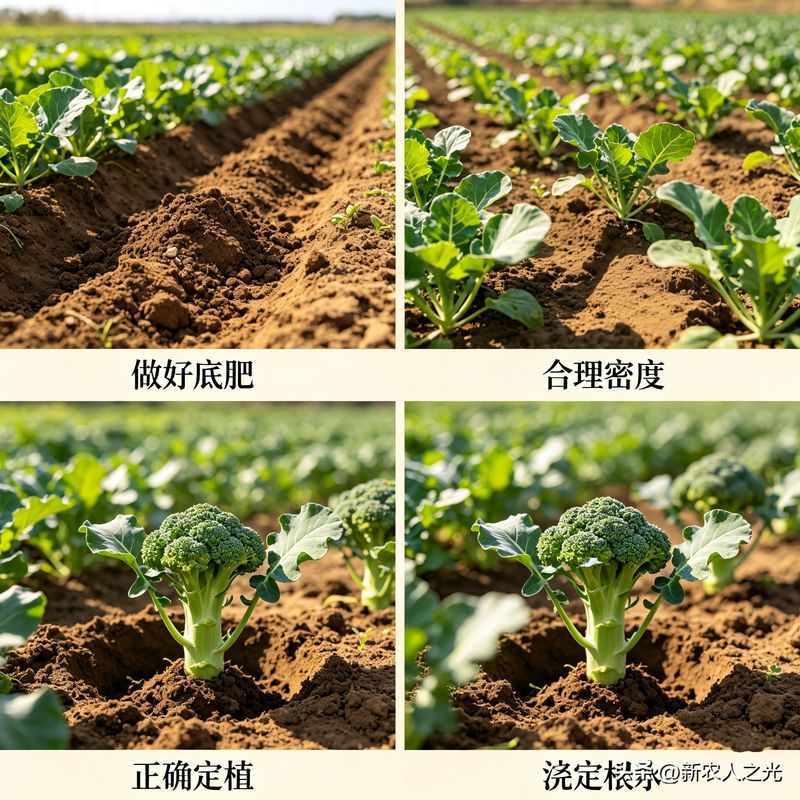
The second step is rationally embedded, rather than secret. Many farmers feel that the more they grow, the more they grow, the more faulty it is. It's so dense that they don't get wind or light in their fields, they don't get leaves to hide from each other, they don't grow balls and they are prone to disease. Standard density: 50 cm in length, 40 cm in length, with approximately 3,200 places per acre, a space at which each seedling can fully absorb nutrients, light, flower balls grow large and tight, and commercial rates are high。
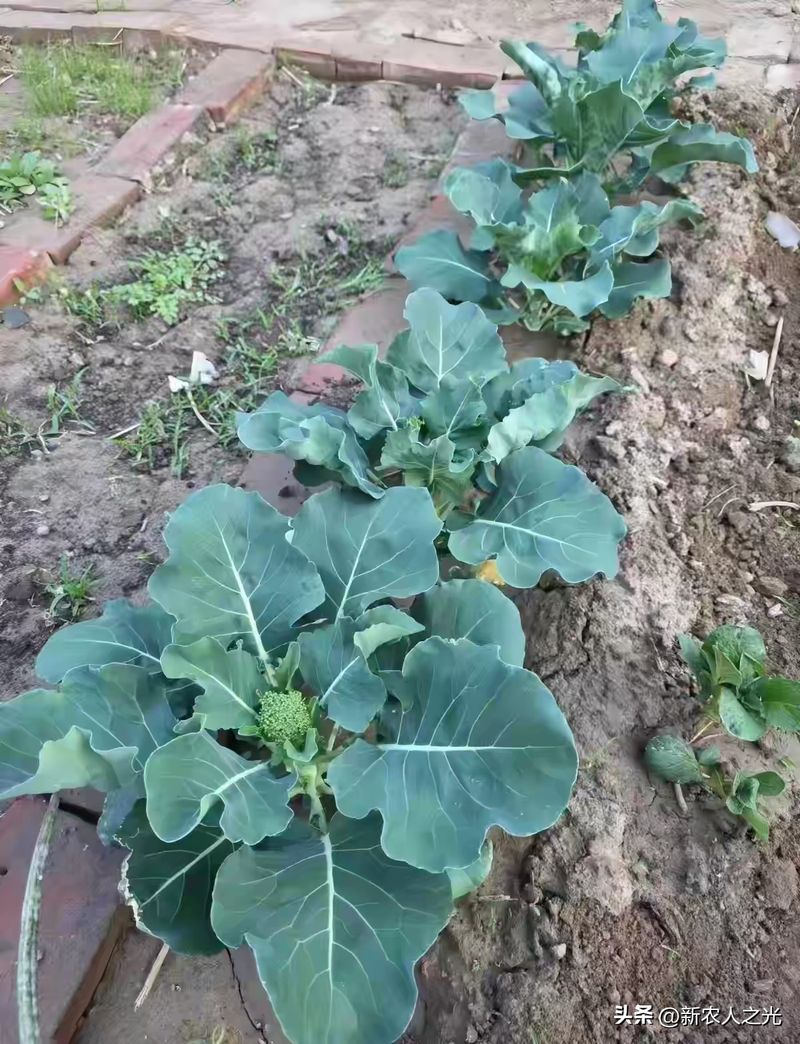
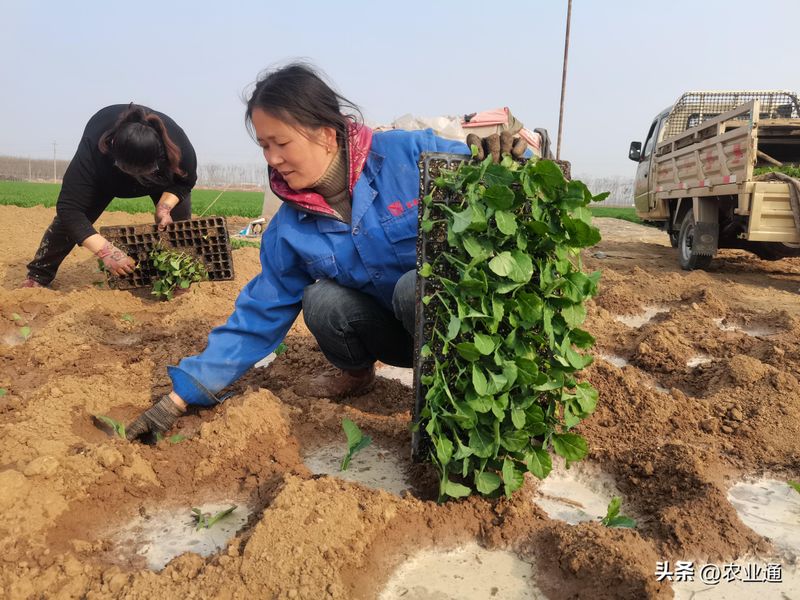
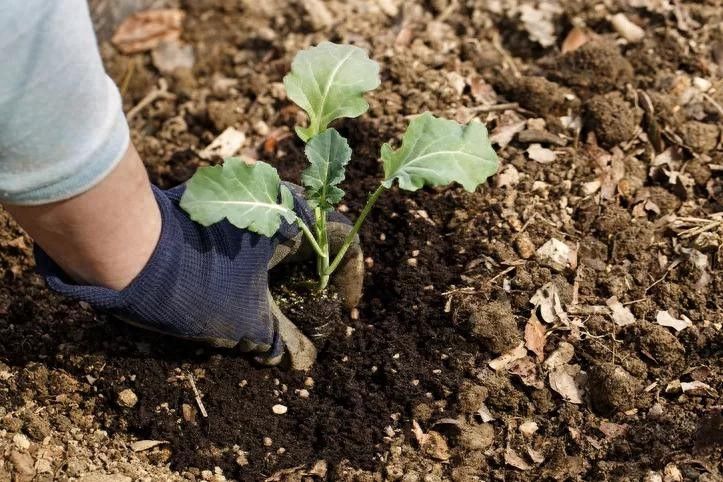
The third step of science is designed to improve survival. The planting is done after 4 p. M., when the sun is high at noon, and the evaporation of seedlings is reduced. The seedlings are raised with dirt and protection of the root line is not damaged, and the depth of planting is based on “no roots, no hearts” and the soil is simply covered with roots and the heart of the vegetable is easily lost. After planting, the root water must be watered and the root system closely integrated with the soil, and water must be watered early and late in the morning and in the morning within three days, so that the soil is wet and the seedlings accelerate。
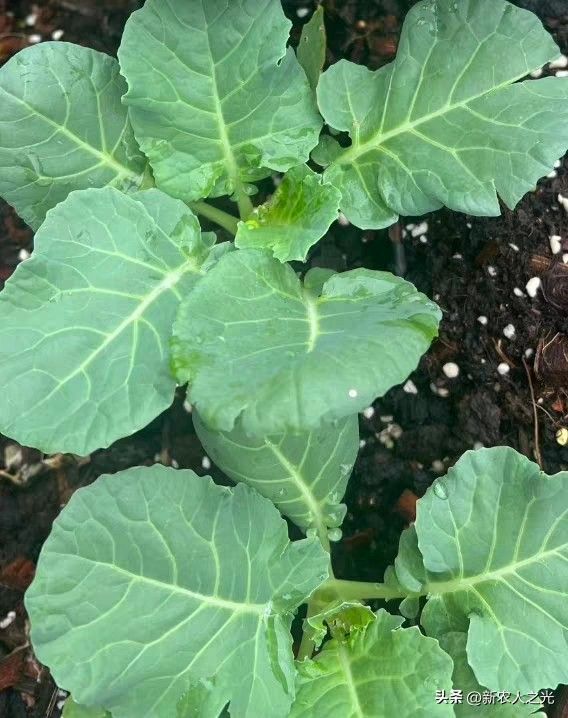
The fourth step slows in the management of seedlings, promoting the growth of seedlings. Five to seven days after planting is a slow-growing period, with no rush to fertilize, with the soil moist, and with proper shade in the clear, to avoid atrophy. After a slow seedling, the pine land is cultivated once, with three to five centimetres of shallow acreium, increasing soil aerobics and promoting root ligation while removing weeds from the fields and reducing nutrient consumption。
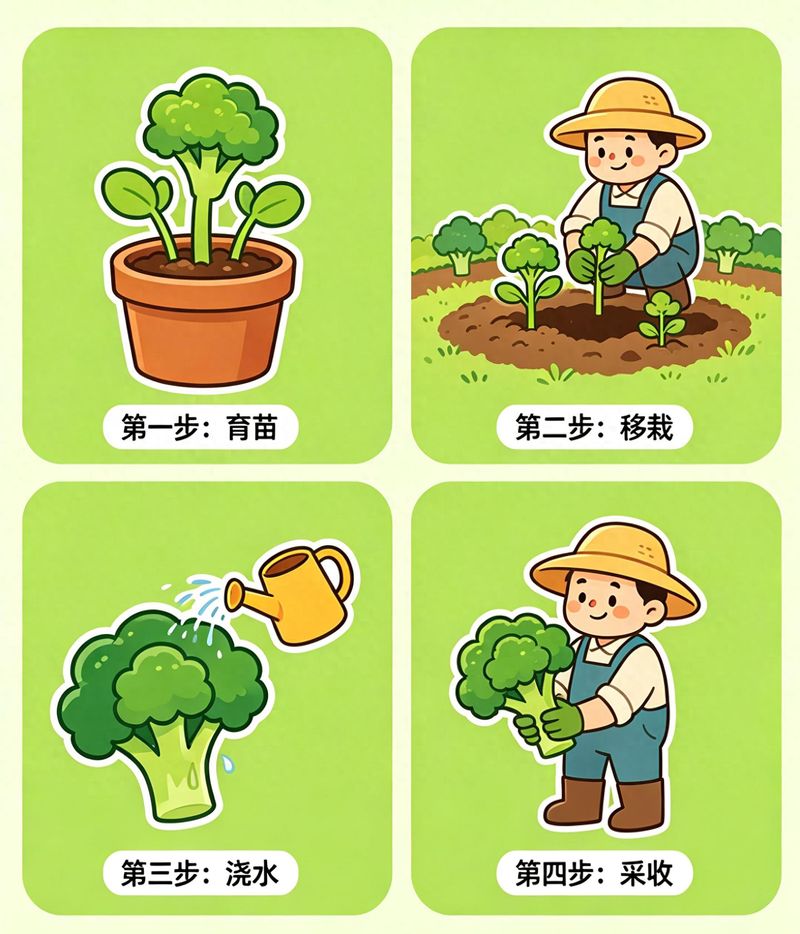
Cultivation is the key node in the growth of the broccoli, and it takes a wrong step, with four steps of bottom fatting, density, planting and watering, slow and undead, and a long and prosperous period. The mouthpieces summarized by the old farmers are: high-sprout cultivation of resistant water, strong and abundant bottoms, rational and compact cultivation, and fast-growing water。
Whether it be daejeon or a small vegetable garden, the method of planting applies and is simple and quick to learn. When you've read it to the folks who grow it around you, you'll have to pay more attention to me, and you'll have to share your skills with the broccoli