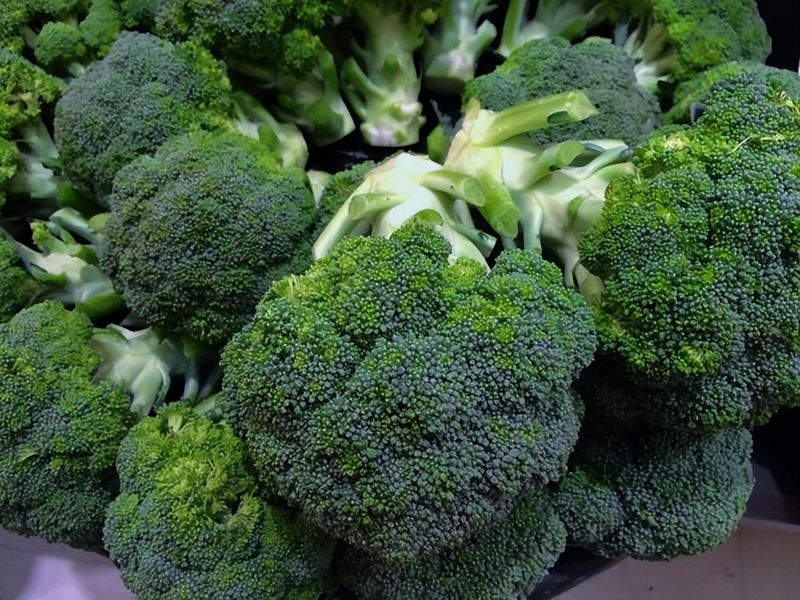
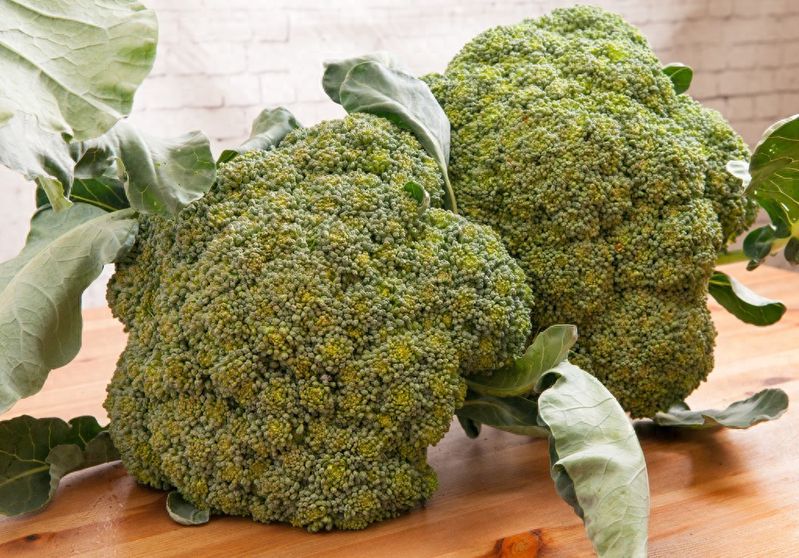
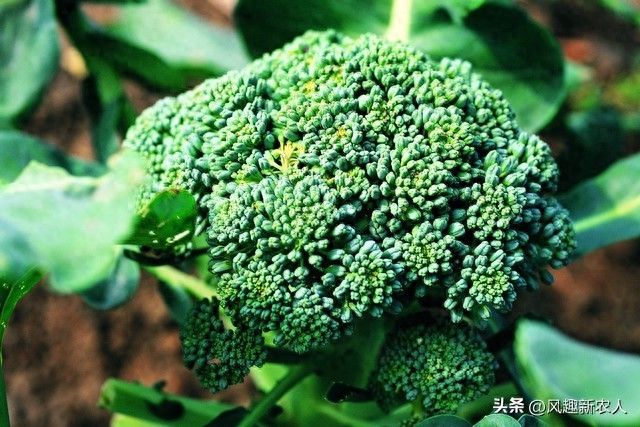
Orchids, also called cuisine, can eat a part of a green flower ball, which is a natural food of high nutritional value, and which is the most extreme vegetable in a kale vegetable because of its importance in a healthy diet and its own strong resistance to disease, are widely grown by farmers' friends. Let's find out
Form characteristics
The orchids are originating in the western part of italy along the euro-mediterranean coast and are also seen as flowers, known for their origin and shape. It consists of a cross-facility curry of kale, one-to-two-year herbivary plant with thick roots, well-developed roots, nutrients and long-term nutrients, short strangulations, unprecedented armpits, 40-90 centimetres tall, leaf-to-leaf, heart-to-heart shape, green leaves, egg-to-eggs, white powder on the surface, leaves 13-30 centimetres long, 8-12 centimetres wide, leaves 5-15 centimetre long, yellow flowers in june or september, bouquets in the form of a round cone of flowers that are edible and edible parts of many buds。
Growing habits
West orchids are suitable for growing in an environment with sufficient sunlight, air flow, fertile soil and good drainage. Soil ph values should be contained in a low acid environment of 6. 0-7. 5 and ensure that the soil is rich in organic matter and nutrients such as phosphorus, potassium, boron, molybdenum and magnesium. The most suitable temperature for growth is 15-25°c, water demand is greater, especially during the booming period of leaves and flower ball formation, and soil is guaranteed water content of about 70-80%, with a growth cycle of about 90-120 days and suitable for planting in the spring and autumn。
Sowing the whole place
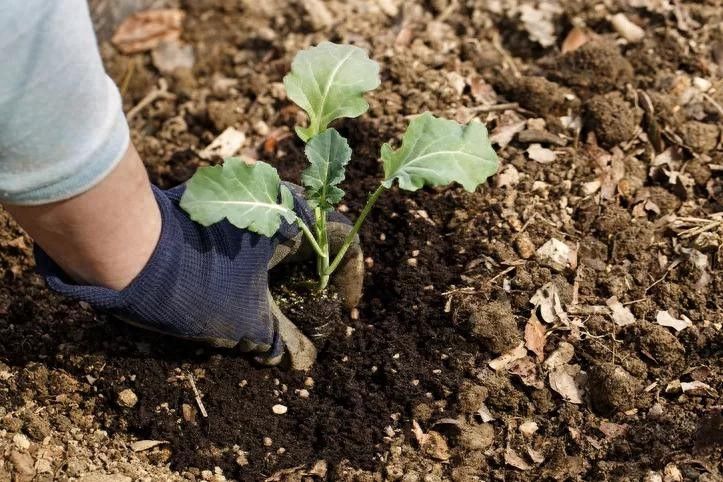
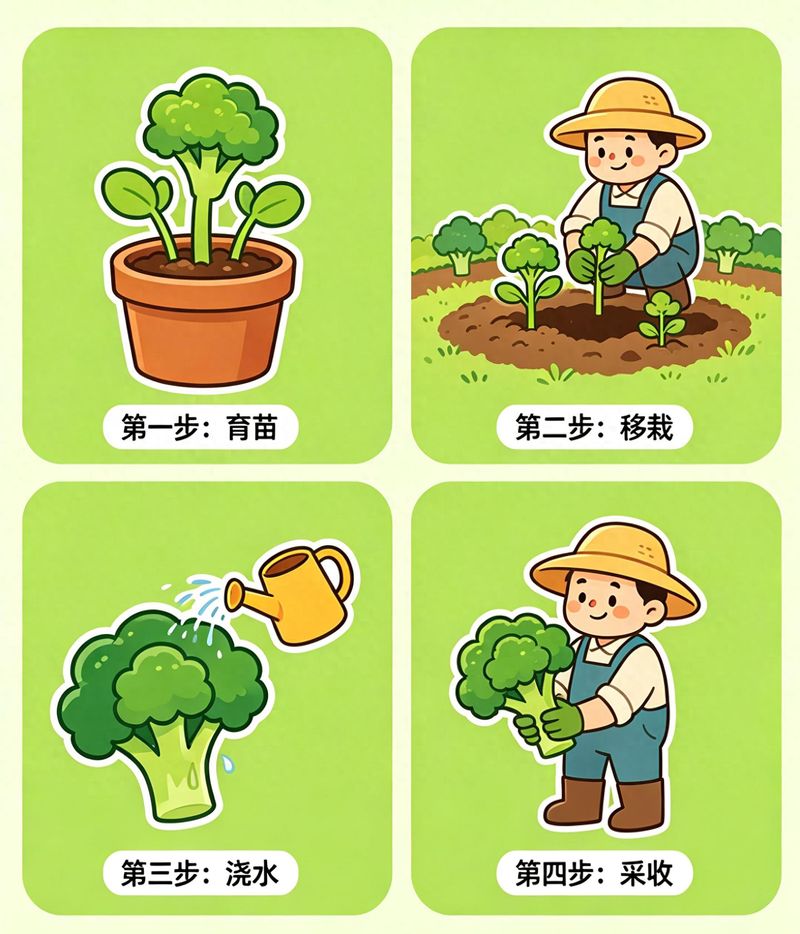
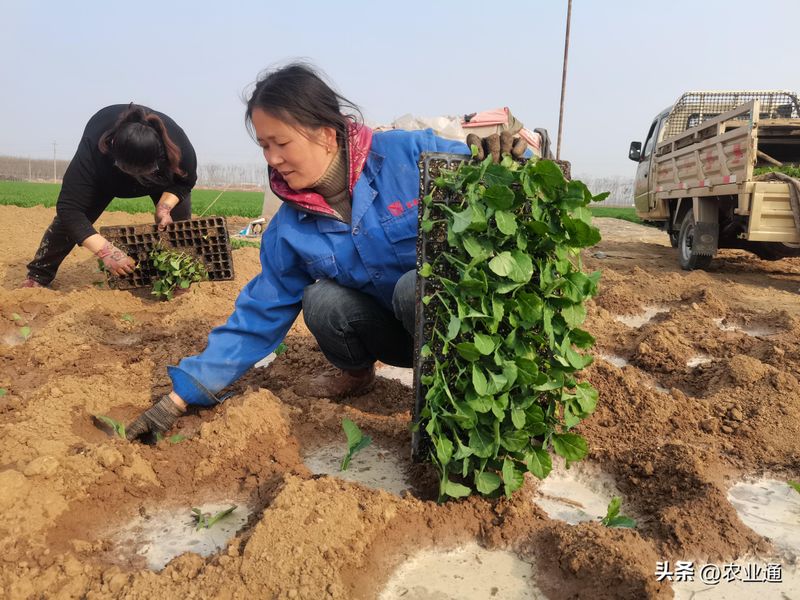
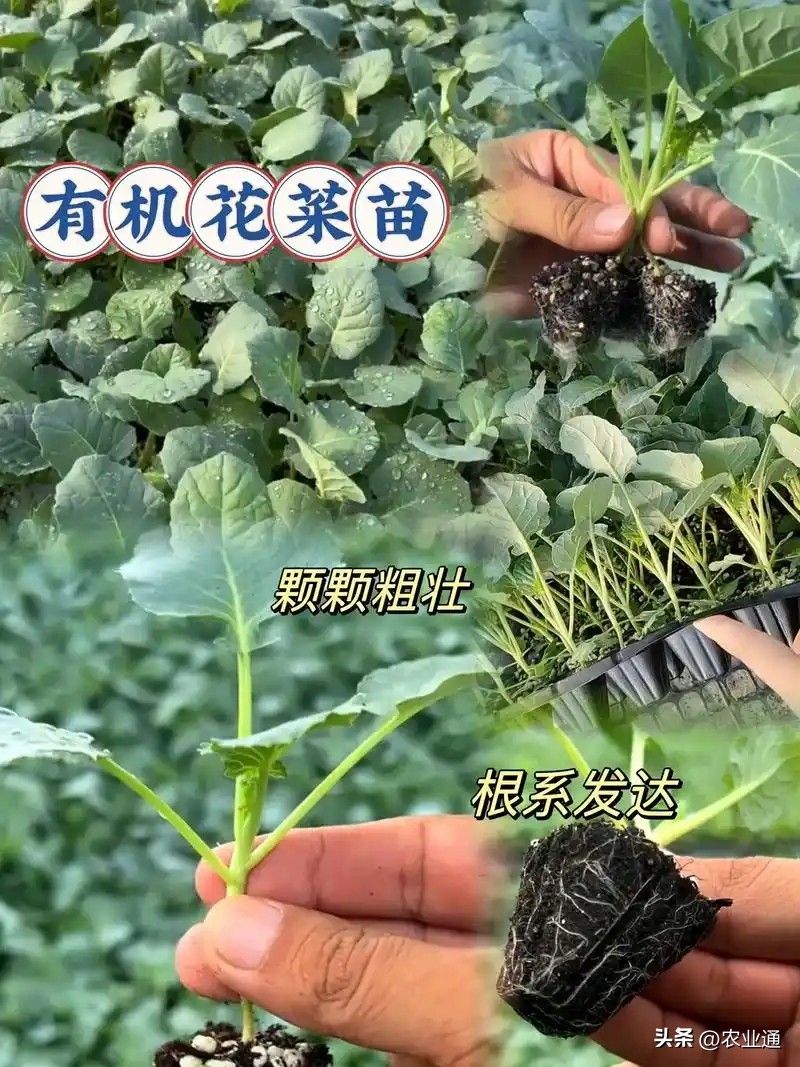
Select the soil to be drained and fertile, clean the soil with weeds and groceries and roll deep, and apply about 5 tons of farm fat + 500 - 1000 kg of decompressed manure + 30 - 40 kg of calcium phosphate + 50 kg of grass-wood as base fat, then level the land down. In the north, during the months of spring, march-april, and autumn, july-august (at around 25°c, with the appropriate time for transplants adjusted to the temperature in the south) the shades are selected for planting, usually at a distance of 50 cm and with a range of 40 cm, with a planting density of 2,800-3200 acres, with one transplant per den, once water is poured after all planting has been completed。
Fertilizer management
Cultivation of broccoli requires that the soil be kept wet and waterless, water being poured every five to six days, as recommended by the soil condition, and that when rain is heavy, water be drained to prevent the disease. After planting, the principle of "pre-motion, medium-control, back-up" is used to plant 7-10 days of live acreage (16-16-16) complex fattening 10-15 kg of urea + 10 kg of urea flushing for the first time in pursuit of accelerator fat; 20 kg/acre of urea + 10 kg/acre in the pre-formation of a flower ball (16-16-16-16) for the second pursuit of urea with inter-branch deep application, lavender or with water. In the early stages of flower ball formation, the acre (16-16) complex fattening of 25 kg + 15 kg of urea was followed for the third time by a flower ball swelling of fat, with 0. 2% potassium phosphate plus 0. 25% boron sprayed on the leaves and 2 times on the leaves。
Pest and pest management
Pest control is based on a “preventive, integrated” approach, the scientific rational use of chemical control, etc., and the economic, safe and effective control of pests and pests for the purpose of producing non-hazardous broccoli。
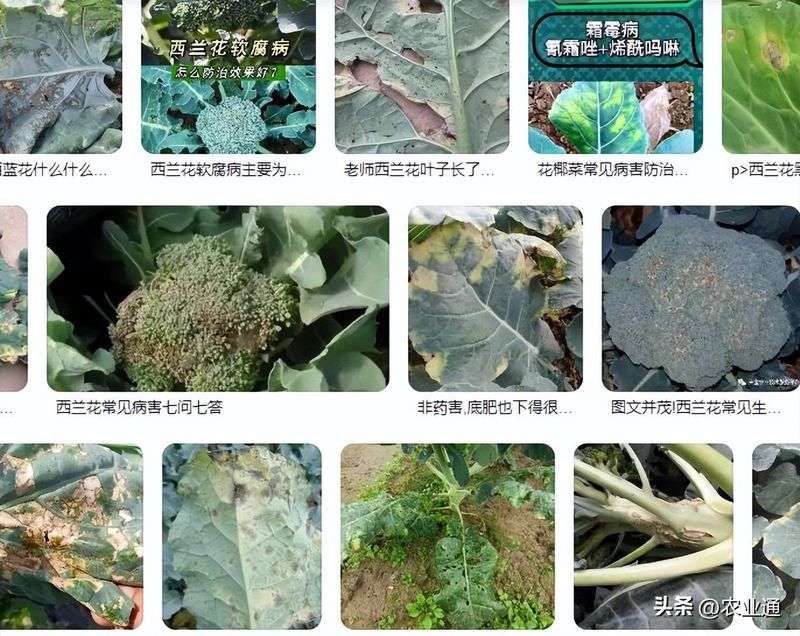
Insect pests such as precipitous disease, adhesive disease, beetling night moths, slashed night moths and pedals can be treated with 95 per cent of green man 1, 3000 times the soil sterilisation, and seeded with 2. 5 per cent fungible-time suspension, or with 58 per cent of redomir wet powder 500-600 times in the early stages of the precipitation; 10 per cent of high-water dispersible granules are treated with 1,500 times the first dose of spray. Underground pests such as jumping nails sprayed surfaces and plant surfaces with 4. 5 per cent of high-efficiency chlorocymmal cream after planting。
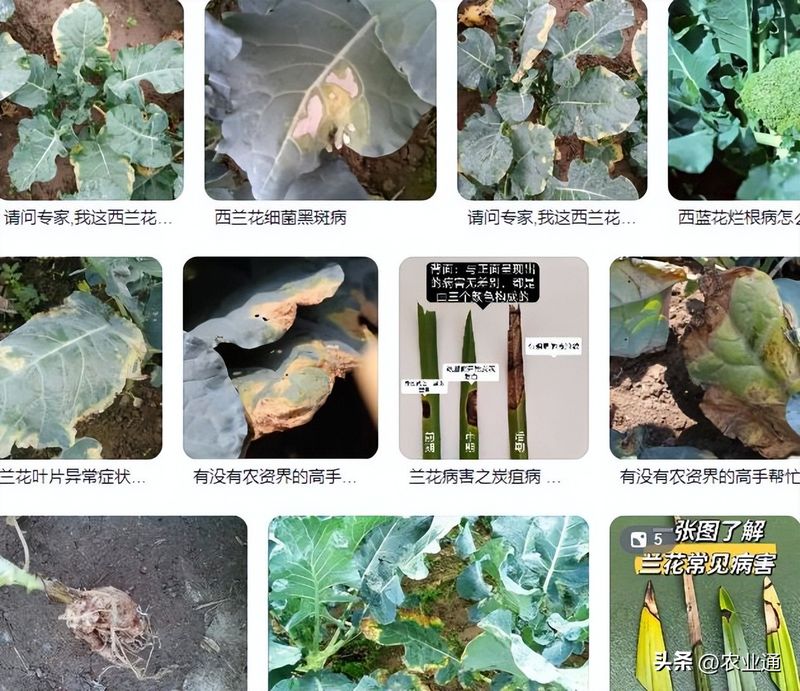
Plant nuclei, which can be treated 50 per cent at the beginning of the onset and at the beginning of the ball, with 1,000 times the spray of wettable powder, and 72 per cent at the beginning of the harvest, with 500-600 times the humid powder of ice manganese zinc, and 45 per cent with 1,500 times the rooting at the beginning of the outbreak. Orchid moths, beetling night moths, slashed night moths, with a 5% fluoride aphrodisiac agent 1500-2000 times sprayed, and curing green insects and troubles, and a 75% sulfon subleaf flies with a 3500 times wettable powder. For the control of aphids, 20% of aphids can be sprayed 5,000 times。
Getting it in time
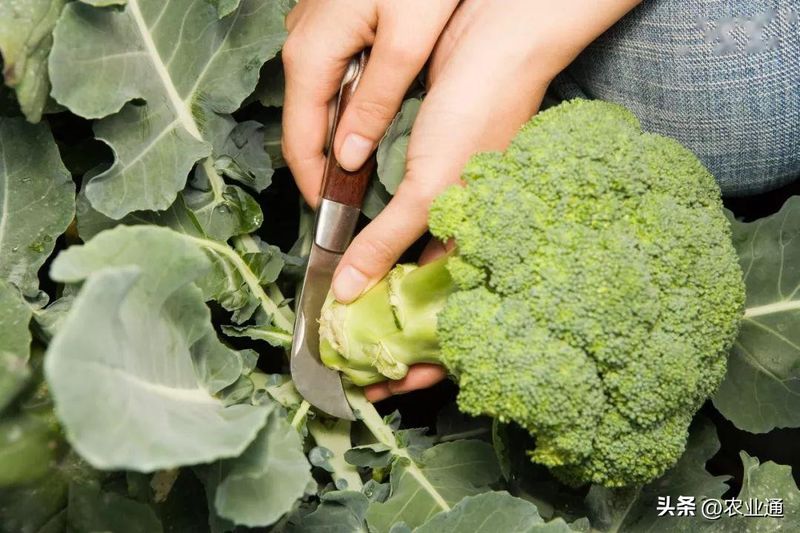
When the western blue flower is fully expanding at the top of the plant, the buds are not open, the diameter of the florist is about 15 cm, tight, and deep green, with a single mass of about 400 g to harvest, three large leaves should be retained and the remaining leaves cut with knives, with an acre production of about 2,000 pounds. Of course, this also requires that farmers ' friends operate strictly in accordance with planting techniques, in order to manage their fields and ensure healthy growth。
This paper presents technical approaches to the management of orchid cultivation and cultivation. The choice of fertile, well-drained, acid-based land, with the right technical methods and management measures, can improve the production and quality of broccoli, making it a greener vegetable of better quality and providing greater health benefits。