Unlike other viruses, aids can normally be incubated for 7-10 years, and a person's hiv infection can only be detected through testing。
Aids is not far from us
But it's not that scary
Aids is incurable, but preventable
Aids awareness and containment
We need to work together
So, deal with this disease
Precautionary measures are very important

How to prevent aids
Safe sex
Avoid sexual contact with high-risk groups and correctly use quality condoms throughout sexual activity。
No syringes
No drugs
Mother and child block
People living with hiv should be prevented from using anti-viral drugs during pregnancy, choosing cervix and avoiding breastfeeding。
Avoiding unsafe blood exposure
In the case of hairdressing, tattooing, hairdressing and foot repair, a formal place should be chosen to ensure strict disinfection of the equipment used。
No sharing of personal effects
To avoid sharing such items as toothbrushes, razor blades and so forth, women's menstrual periods must be hygienic。
Watch out for trauma
The bleeding caused by the trauma should be properly treated。
Protecting vulnerable populations
Increased knowledge and prevention among the most at-risk groups involved。
Treatment after exposure
Counselling and prevention services are provided immediately upon the occurrence or suspicion of high-risk behaviour at the cdc or aids-specific treatment hospitals, and the use of stop drugs is ordered。
What do we do when we suspect we're infected with hiv
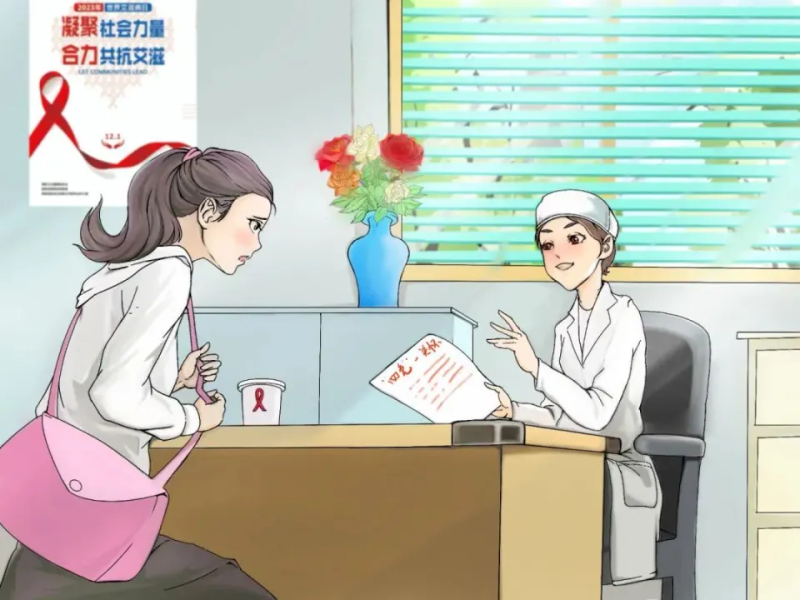
Upon the occurrence of high-risk behaviour (sharing needles for drug use/unprotected sexual behaviour, etc.), hiv testing and counselling should be initiated, with early detection, diagnosis and treatment。
The world's first self-inspection reagent for hiv/aids (human immune deficiency virus-1 urine anti-psychological test box (gel gold method)) can be purchased by individuals and independently used (e. G. At home) in a private and convenient environment, where urine self-inspection is positive, at a professional testing facility。
Institutions such as cdcs and hospitals provide confidential hiv testing and counselling services. The counselling and testing services provided by the voluntary counselling and testing clinics designated by the health sector are entirely free of charge, and some social organizations are also able to provide free rapid hiv testing and counselling services。
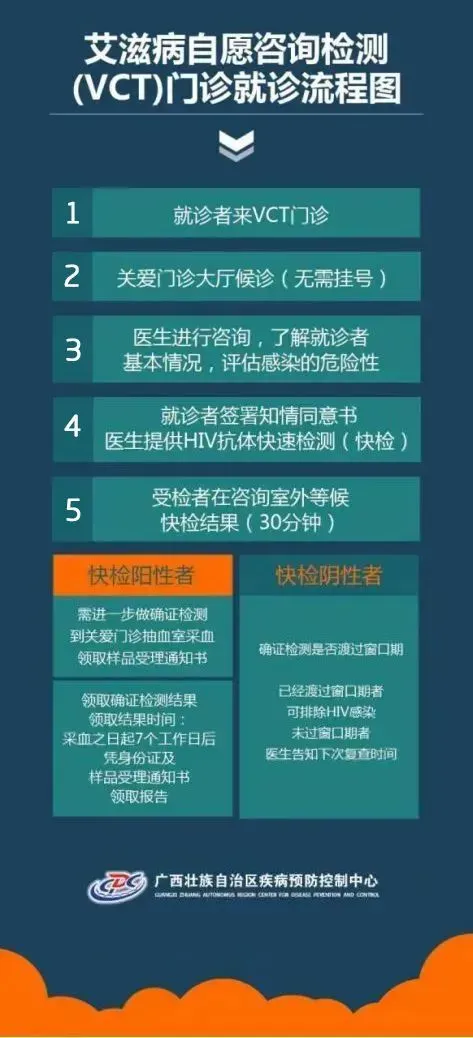
Voluntary aids counselling: 0771-53271
Aids treatment clinic: 0771-2518326
Hiv is our enemy
Aids patients and infected people are our friends
We should give it to them
More care, warmer
Our 2003 response to aids
A policy of “one care without four” was proposed
What exactly is..
Zenium
"four without one care"
First, free antiretroviral treatment
Free anti-hiv treatment drugs are provided to rural aids patients and urban hiv patients with economic difficulties, and appropriate reductions in the cost of anti-opportunist infections treatment drugs are provided to rural and urban hiv patients with economic difficulties
Secondly, free voluntary counselling testing
Free counselling and primary screening are provided throughout the country for voluntary hiv counselling and testing。
Third, free mother and child stop
Free mother-to-child cut-off drugs and infant testing reagents are provided for hiv-infected mothers。
Fourth, free and compulsory education
Children left behind by aids are exempted from the cost of education。
Fifth, care for aids patients and people living with hiv
The government provides humanitarian assistance to persons living with hiv/aids in difficult living conditions, with a certain amount of living assistance in accordance with the relevant provisions of the state。
Don't discriminate against people living with hiv
The participation and cooperation of aids patients and those infected is an important component of effective aids prevention and control. Discrimination against aids patients and those infected is not only detrimental to the prevention and control of aids, but also a factor of social instability. Social discrimination prevents people living with hiv from building self-confidence in their lives and hinders people's access to aids services, including people living with hiv who refuse to accept hiv testing and people who are sexually active have limited access to condoms。
People living with hiv are victims of disease and deserve humanitarian sympathy and assistance. Families and communities need to create a friendly, understanding, healthy living and working environment for people living with and affected by aids, encouraging them to adopt positive life attitudes, changing hiv-risk behaviour, cooperating with treatment, contributing to improving the quality of life of patients and infected persons, extending life, and also contributing to aids prevention and control and maintaining social stability。
Let's work together
Less discriminatory, more caring
Connect life with red ribbons, connect love
Together, we must fight aids
Source: aids institute, cope china, joint united nations programme on hiv/aids, ports and ports disease control, news watch