According to the china light source news, a lexicon of super-industry terms in the areas of maritime transport, air transport, customs clearance, documentation and supply chains has recently been published, with the aim of helping freight forwarders to quickly master their terminology and improve communication efficiency and professionalism. The dictionary combes over 200 core terms and their interpretation。
The dictionary is divided into seven chapters, which provide a systematic overview of key terms in the various segments of freight forwarding operations。
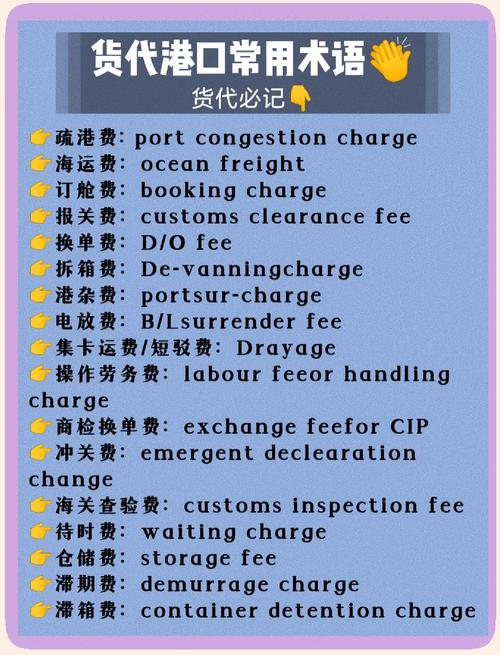
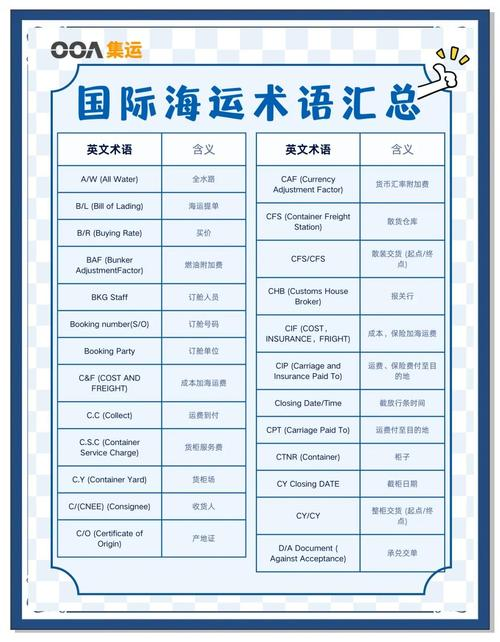
Chapter i contains the core maritime terminology. These include container unit teu/feu, container type gp/hc, etc., mode of transport fcl/lcl, location terminology such as cy/cfs and pol/pod, as well as main terms such as name of the ship, carrier, non-ship carrier, etc. Important documents include bookings, receipt of goods, bills of lading, etc. Critical time nodes relate to the time of clearance, the time of interception, and the time of anticipated and actual departure/arrival. The costs cover, in part, sea freight, various additional charges such as baf/caf, thc, doc, ams/ens, and demurrage and demurrage charges. Other operational terms include electrical discharge, dumping cabinets, vgm weight verification, etc。
Chapter ii contains the core terminology for air transportation. The core documents are air waybills and their principals. It covers aviation associations, flight times, collectives, costing weights, aircraft types, collectors, operating agents, etc. The costs include security fees, fuel and war risk surcharges. The modes of transport are carried out in direct flight and transit, and special categories of goods, such as dangerous goods, live animals, are described. Payments are made in advance and on arrival, and the shipping rules refer to the tact manual。
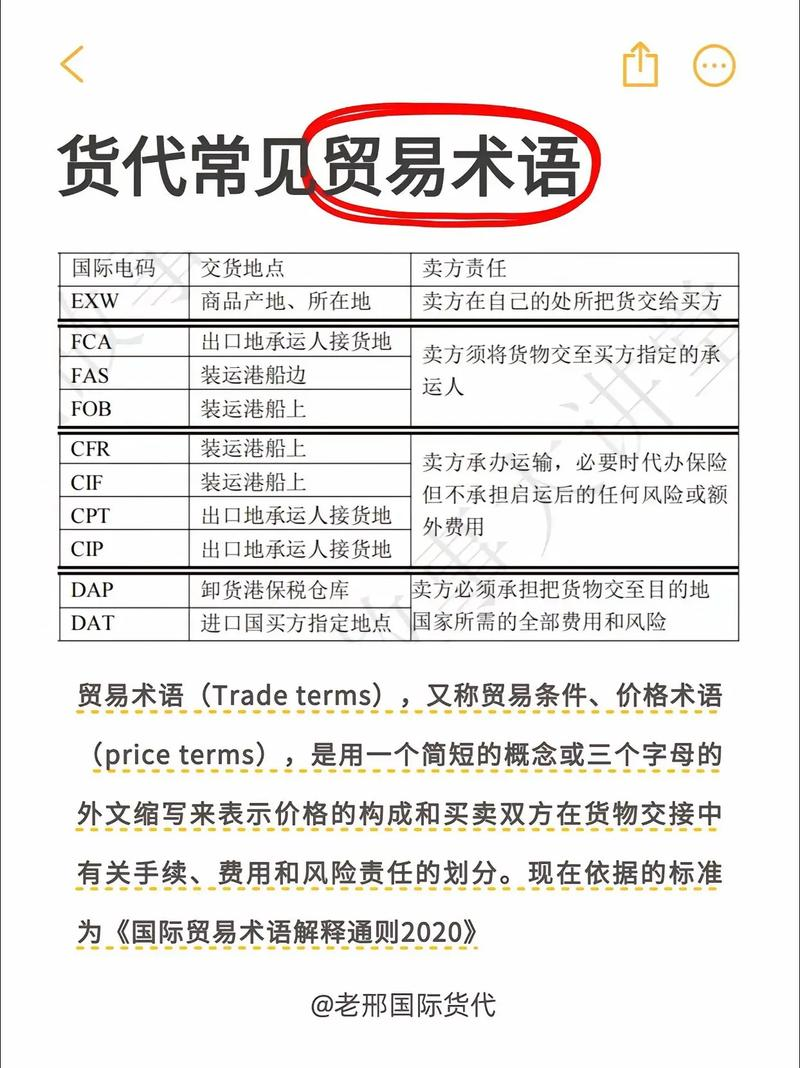
Chapter iii refers to customs declarations and trade terms. Core processes include customs clearance, customs clearance, customs codes, various types of permits. Taxes, value added tax, consumption (883434) taxes and tax refunds. The certificate category includes certificates of origin, inspection and quarantine certificates. The main trade provisions of the incoterm are detailed, such as ddp, exw, fob, etc. In addition, trade documents and financial terms, such as form invoices, commercial invoices, packing lists, sales contracts, letters of credit, payment modalities, and concepts such as quotas, anti-dumping duties, etc。
Chapter iv refers to documents and terminology. With the bill of lading at its core, a distinction is made between positive copies, cleaning and uncleaning bills of lading, loaded ships and incoming bills of lading. Other important documents include manifests, electrical discharges, notice of arrival, cargo insurance policies, inspection reports, customs orders, booking confirmations, etc。
Chapter v provides common terminology for logistics and supply chains. It covers basic concepts such as logistics, supply chain management, third party and quadripartite logistics, freight forwarders, etc. The service mode includes door-to-door, final-kilometre distribution, and over-the-counter operations. Management terms such as electronic data interchange, order execution, inventory management, lead times, etc. The insurance categories include all insurance, safety, general average and individual average. Transport modes are extended to truck transport, rail transport (884155) and multimodal transport. It also includes specialized terms such as warehousing distribution, cold chain logistics (88502), reverse logistics, zero-carrying and performance management concepts。
Chapter vi contains organizational, rules and unit of measure terminology. Important industry organizations such as the international maritime organization, the world customs organization, the international chamber of commerce and the international federation of freight forwarders associations were listed. Key international rules such as solas and the international ship and port facility security code were mentioned. The units of measure include cubic metres, cubic feet, kilograms, pounds, etc. Substantive terms such as the date on which the goods are ready, the difference in the goods, the letter of guarantee and the points of non-conformity are also included。
Chapter vii contains additional and emerging terms. Emerging technologies such as block chains (885757) logistics, digital freight forwarders, goods networking (885312) and radio frequency recognition were introduced. Reference was made to modern logistics services such as the performance of electric operators and the availability of modern logistics services. Additional fees were added for case service charges, ams declaration fees, bonds, seasonal surcharges, terminal fees, and operational terms such as customs withholding, eu transit documents, etc。
Knowledge of these terms is a critical step in building the business base and upgrading professional services (884257)。