Varieties selection
Pre-selection should be made for varieties that are colder, strong and high-yielding. The species are selected to be big, full, sprouts with more than two knots, disease-free and species-specific。
Digging a pool
A pool is chosen where there are certain water conditions. Pools are typically squared or rectangular and cover an area of 300 m2 to 600 m2。
First, the soil is excavated by manual or bulldozers, at depths of 50 cm — 60 cm, then the ground floor is levelled to the ground, and a sheet of waterproof plastic sheeting is laid, with a pool of approximately 80 cm deep, with 50 cm below ground level and 30 cm above ground level. Water holes are left at one end of the water source and drain holes at the other end. The whole pool requires that it be flat, clean and fat。
Fill it in
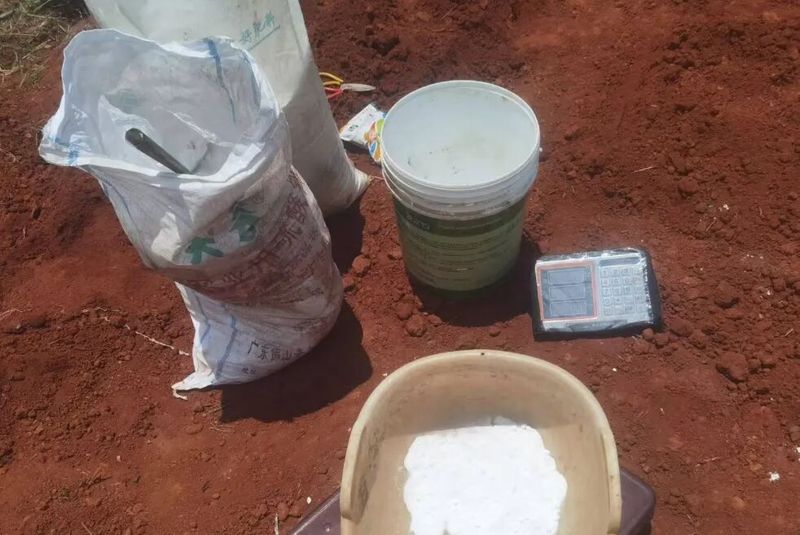
In general, each acre is filled with fully decomposed chicken dung ~ 4,000 kg ~ 5,000 kg, corroded pie ~ 100 kg, diammonium phosphate ~ 50 kg, potassium sulphate ~ 50 kg, urea = 30 kg or triple compound fat ~ 100 kg ~ 125 kg, and mixed back into the pool with the field soil, 30 cm thick。
It's timed out
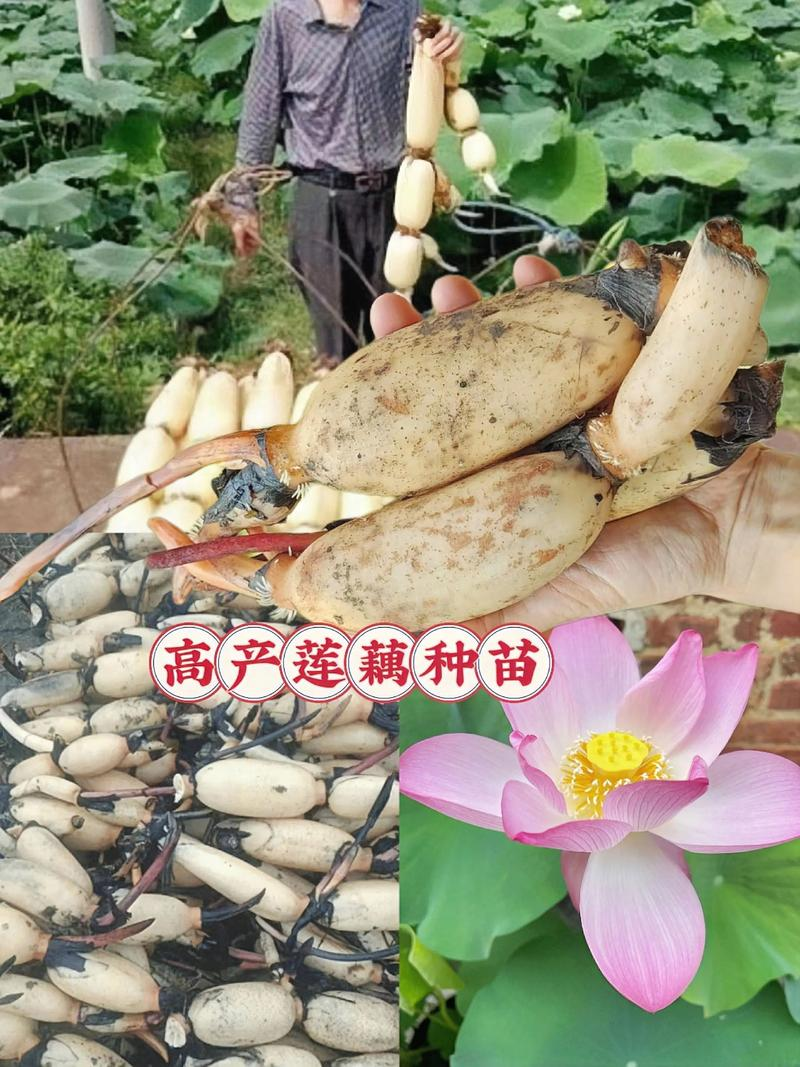
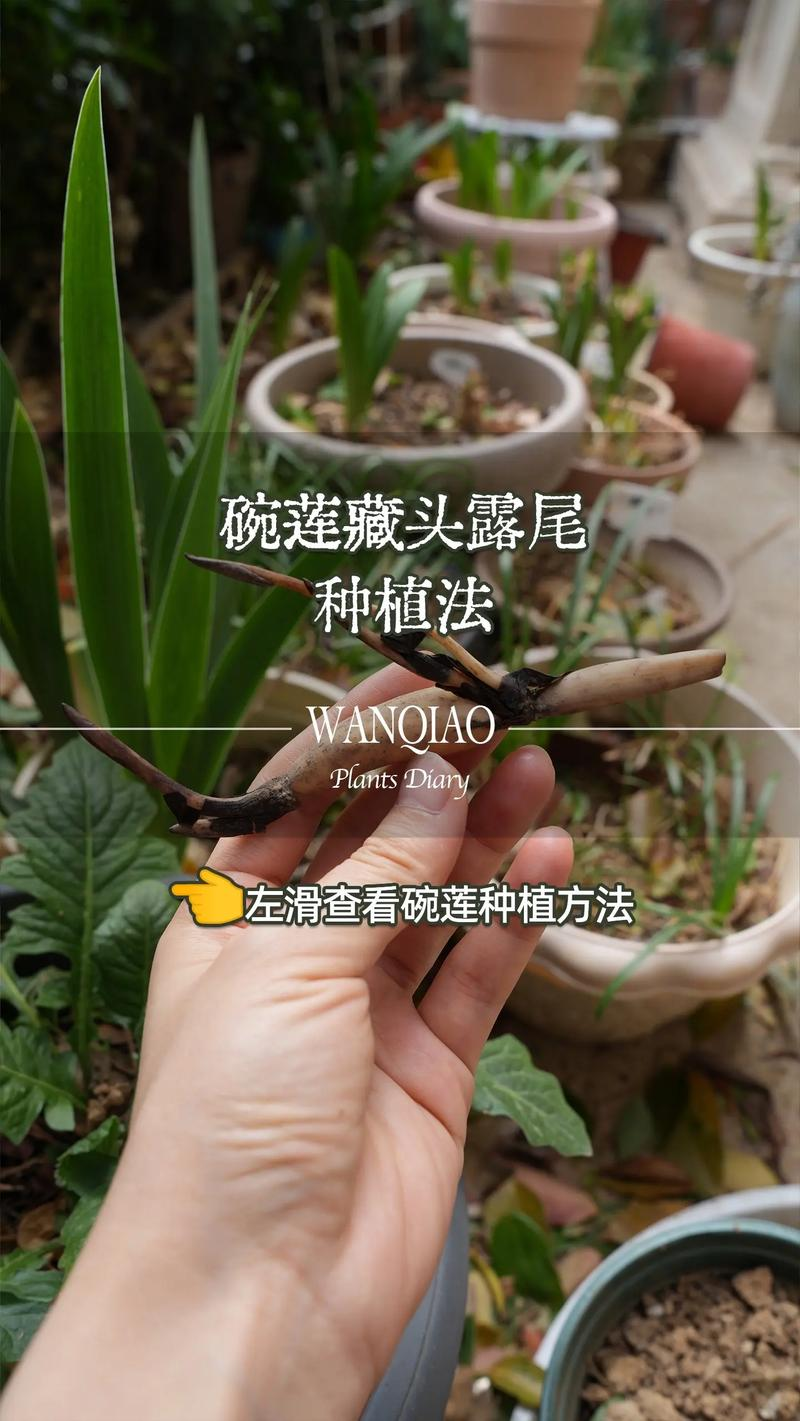
Before and after the shower (15-25 april), it was appropriate to plant 250 kg - 300 kg per acre and 45% of the centenary or 50% of the 600-fold polybacterium impregnated for 10 minutes in order to disinfect the bacteria. The direction of planting shall be organized in an interactive manner, with one heading south, one heading north, and the head around the pool, all of which shall be directed towards the pool, in order to facilitate the even distribution of the whips at a later stage. The water is 3 cm - 5 cm, then the seeding is tilted downwards into the mud, with the seeding of a micro-surface, then water is poured, and a shallow layer of 8 cm - 10 cm is maintained in order to increase the temperature of the ground and stimulate the bud。
Field management
The initial water level was maintained at 8-10 cm, with high evaporation following heat rises in the summer, and the water level was maintained at 20 cm. During the summer season, the lichen grows rapidly, and the water level should remain at 40 to 50 centimetres. After the fall, the upper part of the ground grows slowly, the photocodile accumulates underground and is transferred to starch for long periods, and the shallow water level should be maintained at 5-8 cm。
Plantation should be adjusted to remove the leaves from the leaves, which should be removed to increase the light and increase the temperature of the water, after planting for about one month. Twisting the bouquets and twisting the bouquets when they occur, but they cannot be broken to reduce nutrient consumption and increase production. Turning around, entering the booming season, the lichen grows faster, and when the leaf approaches the edge of the field, it turns its head towards the field in time。
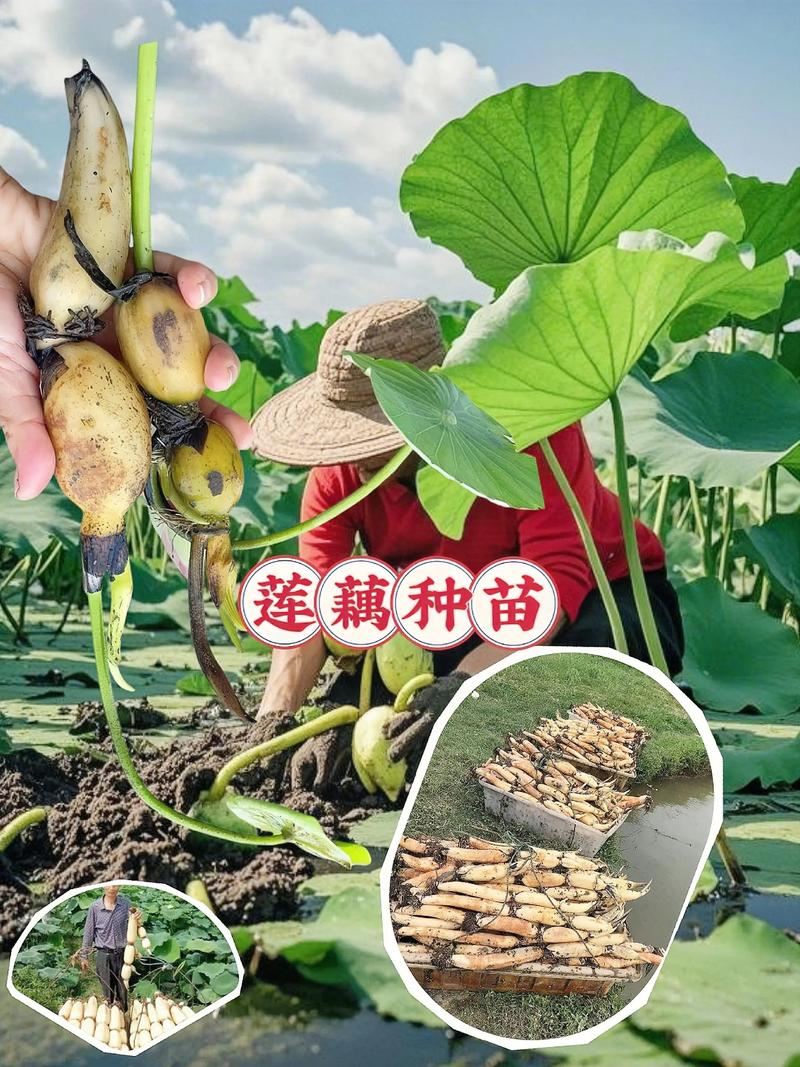
According to the lotus growth pattern, two key fats should be applied, the first 30 to 40 days after the broadcast, i. E. 40 kg of compound fat for three cents, and the second one week before the leaf spread, some of the flowers were already open, which was in the pre-sitting phase, 15 to 25 kg of urea for the acre, 5 to 10 kg for three cents of compound fat, and then mixed into the pool. The water should be shallow before every fat chase, 4 to 5 days before the water is restored。
Light-water cultivation in drylands: pest control
The f. B. Disease can be treated with 50% more than 500 times more filamentable powder and 75% more than 500 times more humid powder. It can also be treated with a mixture of 1:1, 500 g of medicine and 25-30 kg of soil per acre, suffocated for 3 to 4 hours and sprayed into shallow water. Aphids can be treated 1,000 times as much as 40 per cent of fruit butter。