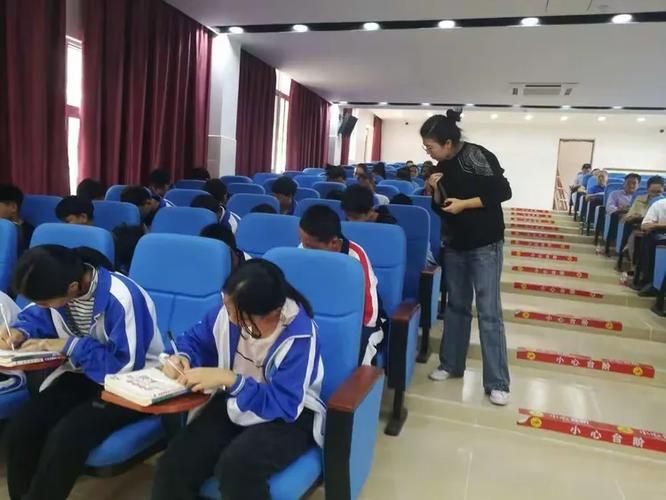
Behind the closed door, the core area of the hospital — the operating room — is a group of dedicated and highly responsible staff. These personnel play a vital and essential role throughout the operation, with the exception of the chief surgeon and other members of the surgical team. The roles and missions of caregivers are often neglected, but in practice they are essential players in the success of operations。
Role and mission of surgical caregiver
1. Pre-operative preparation
Operating room attendants are required to thoroughly clean and disinfect the operating room in advance, including walls, floors, operating tables and surfaces of various instruments and equipment. They use specialized disinfectant cleaners, wipe and clean according to strict operating procedures. At the same time, the air in the operating room will be decontaminated through efficient air filtration systems to ensure that the amount of microorganisms in the air is kept at very low levels. In addition, an operation often requires a variety of devices and equipment, ranging from conventional surgical knives, shrubs, scissors to complex electrical surgical equipment, endoscopes, etc. The caregiver is required to prepare the necessary equipment in advance, depending on the type of operation and the doctor's requirements. They conduct rigorous inspections and cleaning of the equipment to ensure its integrity and cleanliness. For some reusable devices, such as surgical knives, stings, etc., the nursing staff sorted them and then treated them with high temperature and high pressure in order to kill all possible microorganisms such as bacteria and viruses. In the case of some disposable devices, such as one-time electrocution pens, attracting tubes, etc., it is necessary to check whether they are well packaged and are in service。
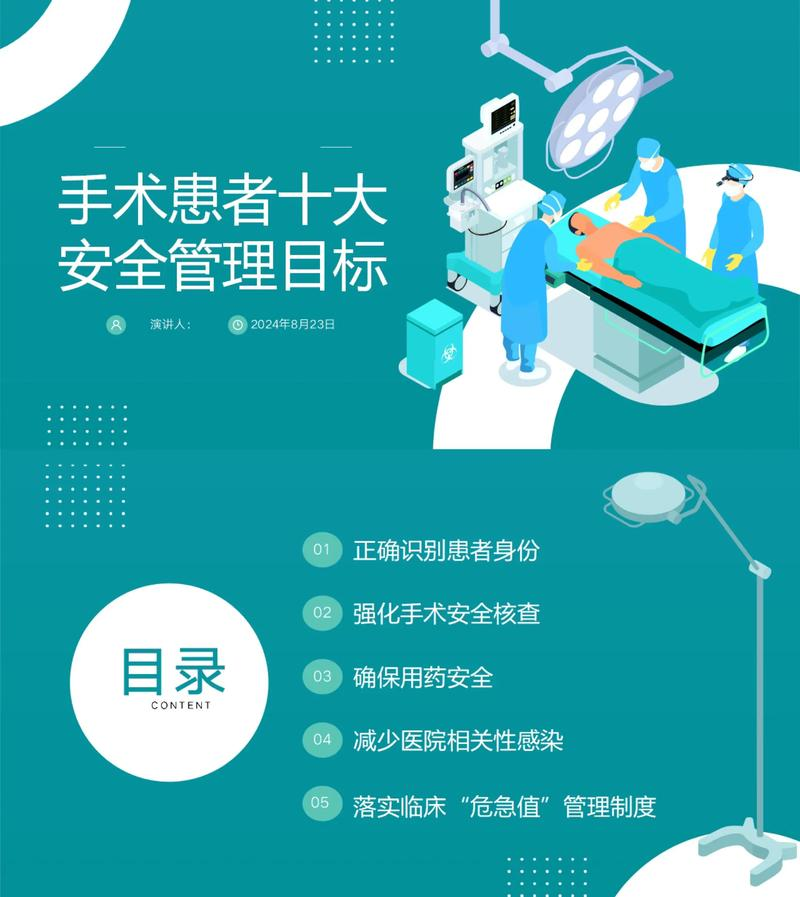
Prior to the operation, the nursing staff is in contact with the ward nurse to obtain basic information about the patient, his condition and the results of the pre-operative examination. Given the extreme anxiety that many patients feel in the face of an operation, surgical care providers provide psychological care to the patient to ease his/her stress and fear. Explain to the patient the general course of the operation, care, etc., so that the patient is psychologically prepared. At the same time, nursing staff assist patients with pre-operative physical preparation, such as replacement of surgical clothing, removal of personal effects such as jewellery, and the establishment of an intravenous route to ensure that patients have a steady flow of fluid during the operation。
2. Co-operation in surgery
When patients are pushed into the operating room and the operation is officially started, the work of the surgical nurse will become more intense and critical. In the course of the operation, the caregiver is required to work closely with the surgeon to deliver the surgical equipment accurately and promptly. They need to be familiar with the operating procedures of the various operations, to be aware of the equipment that doctors may need during each procedure and to be prepared in advance. In addition to the conveyor equipment, the caregiver is required to assist the physician in the operation, such as tortilla, exposure to the surgical vision, etc. In some complex operations, such as neurosurgery, the exposure of the surgical vision is critical, and the caregiver needs to provide the doctor with a clear vision of the operation through skilled pull techniques. In addition, the caregiver is required to use a variety of monitoring equipment to monitor life signs such as heart rate, blood pressure, breathing, blood oxygen saturation, etc., in real time, and to notify the surgeon immediately if anomalies are detected, e. G., the patient's heart rate is too high and blood pressure is dropping, etc。
In addition, operating theatres are a risk-prone environment, and care workers need constant attention to surgical safety. It is important not only to ensure the proper operation of surgical equipment and equipment, but also to conduct regular inspections of the various equipment during the operation, and to notify maintenance staff in a timely manner for repairs or replacements in the event of failure. At the same time, care workers are also required to take care of sterile operations in the operation and to prevent infection in the part of the operation. The sterile operation of surgeons and other personnel is monitored and a timely reminder of the violation of the sterile principle。
3. Post-operative observation and handover
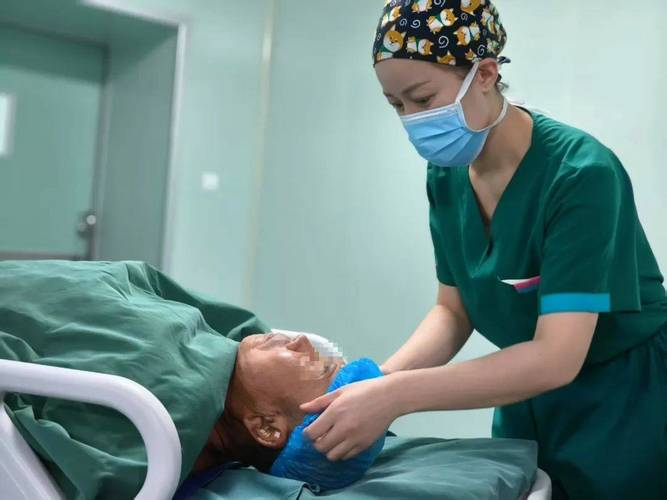
When the operation is over, the work of the surgical nurse is not over, and they also need to complete a series of important post-operative work. Operating room attendants are required to safely transfer patients out of the operating room to the recovery room or ward. In transit, they closely monitor the vital signs of the patient and ensure his/her safety. Upon arrival in the recovery or ward, the caregiver will be in contact with the receiving nurse in detail, including the patient's surgical condition, vital signs, infusions, diversions, etc., to ensure that the patient's follow-up and care is carried out smoothly. In addition, after the operation, nursing staff are required to clean, disinfect and sterilize surgical devices in preparation for the next operation. For some complex devices, such as endoscopes, specialized cleaning and maintenance is required. They are also required to inspect and maintain surgical equipment to ensure its performance. Finally, after the operation is completed, the caregiver is required to organize and clean the room. They sort used items, recycle reusable items and treat medical waste specifically. The surgery is then thoroughly cleaned and sterilized, including the operating table, the floor, the wall, etc., to provide a clean and sterile environment for the next operation。
Professional qualifications and challenges for surgical care staff
1. Professional qualifications
Operating room attendants need to be familiar with basic medicine such as human anatomy, physiology and pathology, as well as with operating procedures and care points for various operations. At the same time, they also need to acquire a variety of care skills, such as intravenous piercing, urination and cpr. Moreover, surgical care providers need to have good psychological qualities and resilience. This is because, during the operation, there is a high probability of a variety of contingencies, such as sudden changes in patient condition, equipment failure, etc., during which the caregiver needs to remain calm, react quickly and take effective measures to deal with them。
Challenges
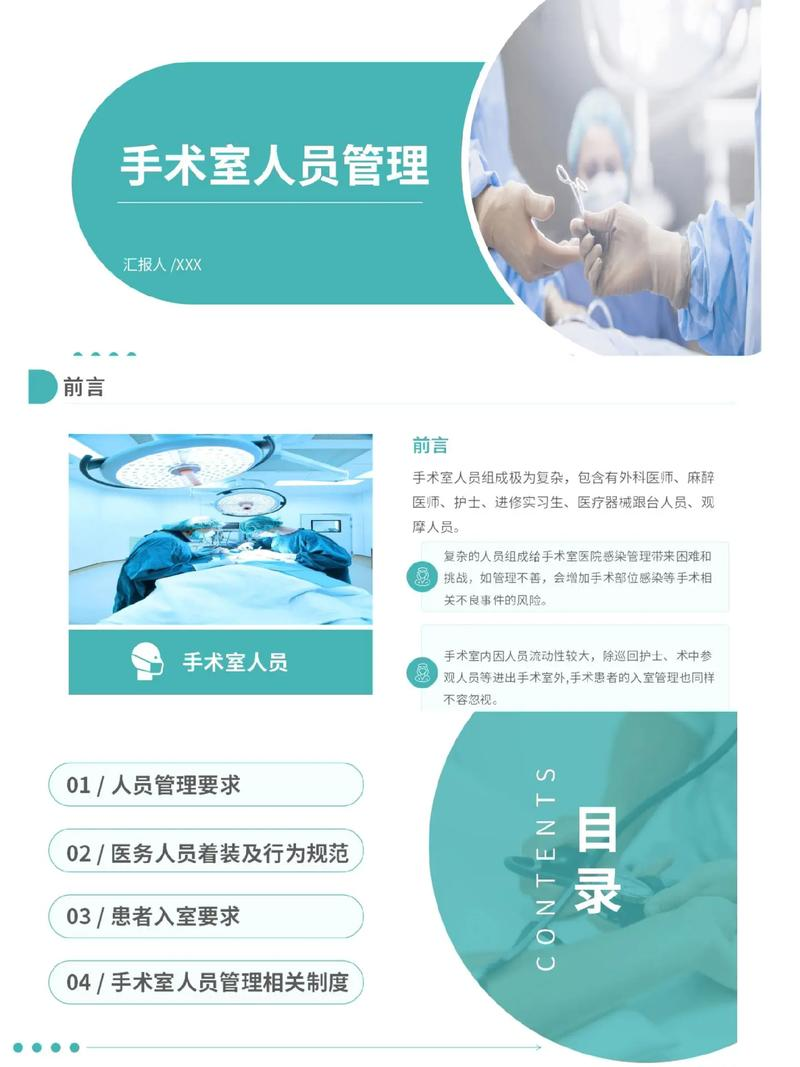
As medical technology continues to develop and operations become more complex, surgical care workers face increasing challenges. For example, the emergence of new surgical technologies and equipment requires constant learning and acquisition of new knowledge and skills by caregivers. The development of new technologies, such as micro-surgery and robotic surgery, places higher demands on the ability and skill level of care workers. At the same time, patients are increasingly demanding the quality of medical services, and surgical care workers need to be more sensitive to patients ' experiences and needs in their work and provide more humane services。
Operating room attendants work throughout the operation, and their mission is to ensure that the operation is carried out smoothly and that the patient is safe and effective. They are unknown heroes in operating theatres, protecting their health and lives with their professionalism, care and dedication。
(scientific unit: survivor hospital operating unit, naval medical university)