


The dujiang water project is composed of three main subjects: fish mouths, porridges, and flying saloons
The philosophy and role in flood irrigation。
Answer:
Fish mouths: the zhongjiang river is divided into the undergang and the outgang, which are used for irrigation in a narrow and deep manner, and the outglow in a wide and shallow manner
Hong, get four-six-point water. Bottle mouths: artificial taps, binding the internal river flow, accelerating the flow
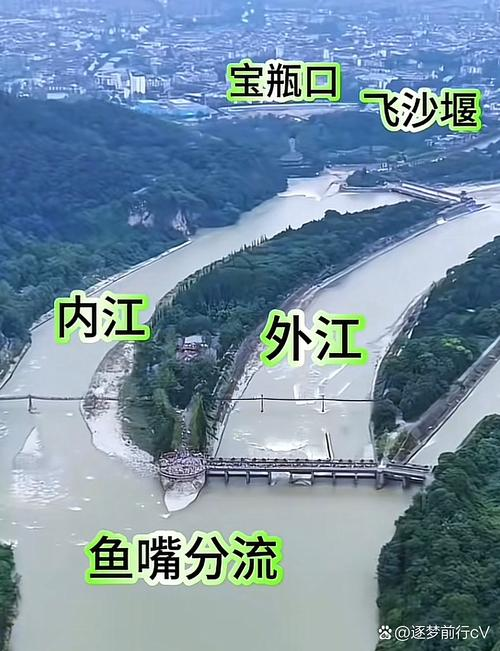
Effective irrigation and regulation of water flows. Flying sands: floodways, automatic inflow of excess water during the flood season outside
Rivers, with secondary diversions, with the use of topographic principles to automatically divert sediments and reduce sediments in inner rivers。
Parsing:
This is an examination of the understanding of the scientific principles and role of the three main components of the dujiang water project。
First of all, the fish mouth is a dichotomy of the dujiang, designed to divide the river into two and form it
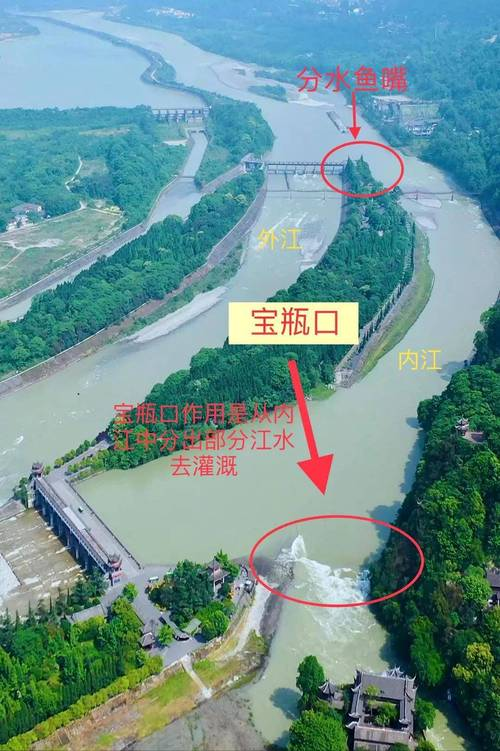
The river is narrow and deep, and the river is wide and shallow
Water is divided into 60 per cent of the internal river, which ensures that the chengdu plains also have adequate sources of irrigation during the dry season. And..
Water levels rise during the full season, 40% of the inland river is divided into 60% of the external river, and the diversion of the external river is effectively drained
The role of the flood prevented the flood from attacking the chengdu plain。
Second, it's an artificially drilled tap. It's located at jade temple mountain. It's the uchi river entering chengdu plain
The throat. The bottle port was designed to limit the flow of the river to speed, so that it would be able to pass
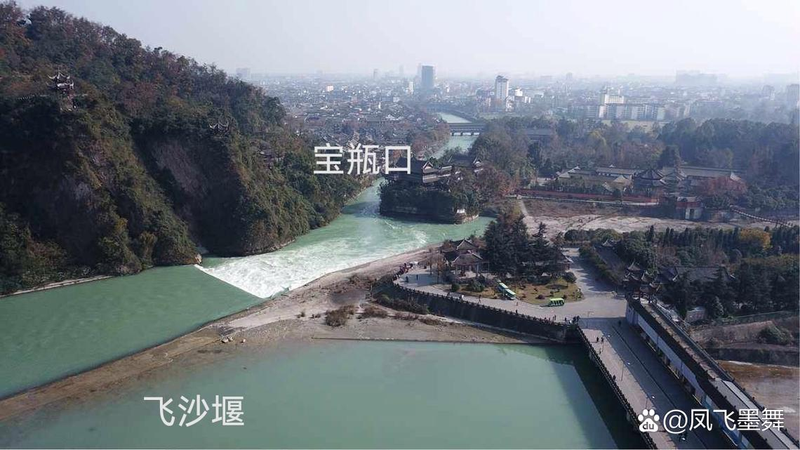
More efficient introduction of water into the plains for irrigation. At the same time, it also regulates water flow
When the water is too large, the extra water will flow into the river by flying sands, which will further guarantee flood protection
Clear。
Finally, the saloon is the floodway of the dujiang project, which is at the end of the fish mouth, and is shallow
Riverways. During the flood season, when the river is too big to be fully received, the excess flow will pass



