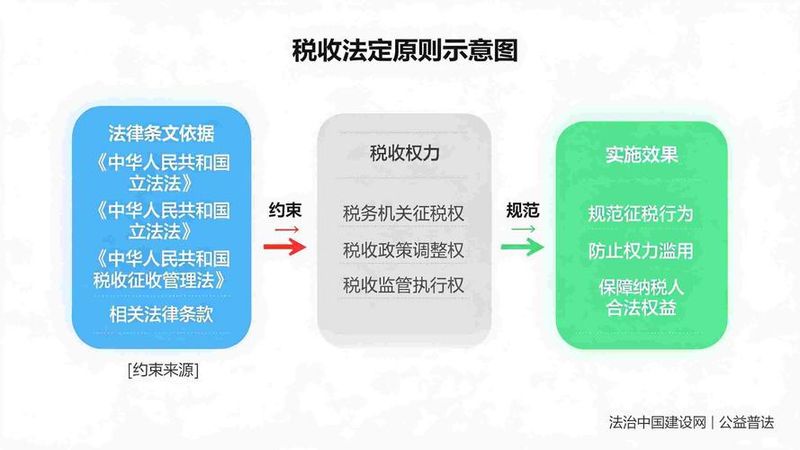
Under the end-of-life renewal model, consumers can receive a subsidy of 12 per cent of the new car price for the purchase of new energy, with a maximum subsidy of $20,000, and a subsidy of 10 per cent of the new car price for the purchase of 2. 0 litres or less of fuel charge. Under the replacement and renewal model, the rate of subsidy for the purchase of new energy passenger vehicles was 8 per cent, with a maximum of 15,000 yuan; the rate for the purchase of fuel passenger vehicles was 6 per cent, with a maximum of 13,000 yuan. The experience of ms. Chung, a consumer in shanghai, has been quite representative, with a total saving of $19,000 through a $4,000 subsidy in the state-subsidized superseding area, and a real sense of the policy dividend。
The subsidy effect was further amplified by a combination of local governments. The province of hubei expressly grants a specific subsidy to individual consumers for the purchase of new energy and small-scale fuel vehicles, up to a maximum of $20,000, while the city of qingshima ensures a balanced use of subsidies through monthly quota management. It is noteworthy that consumers who purchase new cars during the 9 days of the explicit spring holidays of the ministry of commerce can claim subsidies as required by the policy, and access is “closed” to provide policy safeguards to consumers who buy vehicles during the spring holidays。
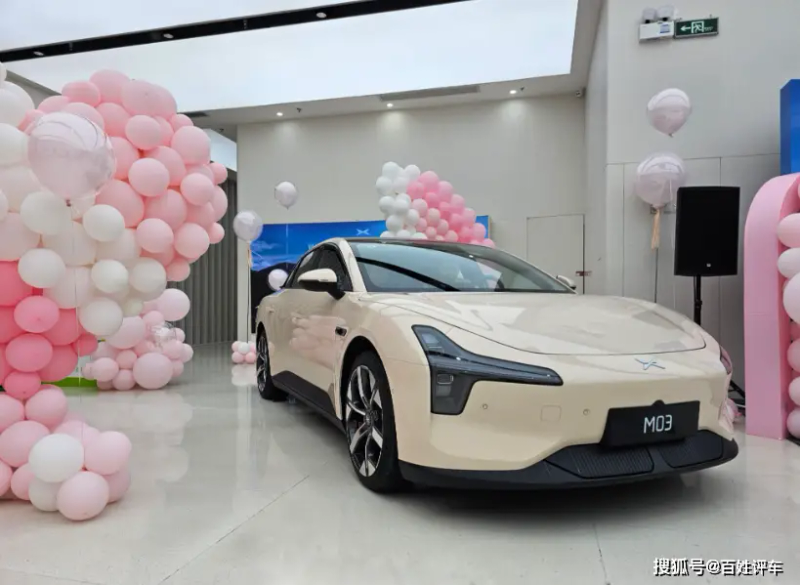
For the replacement group, the cost-effectiveness of purchasing cars during the spring season is also reflected in the multiplier effect of subsidies and car concessions. Building up new vehicles during the spring season, as indicated by shop staff with brands such as ullai and peng, allows consumers to complete full-process services for old car assessment, replacement and subsidy applications. Aveta has a direct discount of $20,000 on vehicles in stock for more than 180 days, and a g6 of 2025 platinum for sale at a clearing price, which can be combined with new subsidies in exchange for old vehicles, further reducing the cost of purchasing vehicles。
But it needs to be warned that subsidy policies are not “no threshold”. First, subsidies apply only to new cars purchased by individual consumers and meet the requirements of car-type voltage, power forms, etc.; secondly, applications for subsidies require documentation such as identity cards, driving permits, derelict or replacement certificates, and it is recommended that consumers prepare in advance, through formal distributors, to avoid fraud in favour of “subsidy”. In addition, there may be regional tensions over the level of subsidies for some popular new energy vehicles, especially in cities with quota management, where consumers need to consult the local business sector or distributors in advance to confirm the adequacy of subsidies。
In terms of policy prescription, 2026 is a key year for old-term new subsidies, and csa expects a total of 19 million new energy vehicles to be sold throughout the year, an increase of 15. 2 per cent over the same period, and the pull of the policy will continue to be felt. For consumers with replacement needs for old cars, especially for groups planning to buy new energy vehicles for old and end-of-life vehicles, the spring period is undoubtedly a golden window period — a state subsidy of up to $20,000 and a co-benefit of local support and car companies, with combined savings of up to $30,000-$50,000。
Pure new buyers need to be wary of the spring talk trap
Unlike the “dividend” of the replacement group, the pure new purchaser group faced a situation of “preferences actually exist, but traps cannot be ignored” in the spring of 2026. Behind the “lower prices” of january's car market is the continuously high stock alert index of dealers, which has traditionally been a low-selling season, with overdrafts at the end of 2025, and the company and the 4s are in the position of a “bit-carrying stock”. This stock pressure provides a price-cutting space for pure new buyers, but it also creates a number of “spring-only” trade traps。

On-site visits have found that many brands have not introduced a genuine policy of exclusive spring festivals, and that the so-called “new spring gift pack” is essentially a combination of regular cash concessions, financial discounts and decorations. The sales manager of a joint venture brand 4s stated that the level of concessions during the spring season was almost at the same level as in early january, and that some popular cars even cancelled some of the gifts because of stock constraints. The real substantial price reductions were mainly concentrated in demurrage models, which had been in stock for more than 180 days, and section 2025 for silos。
In the case of pure new buyers, the central point in determining whether a spring-fest car is cost-effective is to distinguish between “real preferences” and “talk packaging”. The real benefits can be found in three main areas: first, a direct drop in cash, such as the sharp drop in prices of $759,000 in bmai3 and hrv in east wind honda, which is priced without conditions; second, a financial discount, a seven-year low-interest policy introduced by some brands, which, while having limited impact on real demand for cars, still lowers the short-term vehicle purchase threshold for consumers with limited financial constraints; third, the absence of compulsory decoratories, the guide to compliance with price conduct in the automotive industry issued by the directorate-general of market supervision, which makes false promotions and compulsory decorations, and the current large concessions are official concessions, which consumers can be assured of。

There are two main types of alarm trap: “subsidy is about to expire”, false propaganda by some distributors that the old-for-new subsidy will be eliminated after spring, and a full-year policy, with quotas only in some cities, waiting for the following month after it has run out; and hunger marketing by “scar scarcity”, where there is sufficient stock, dealers deliberately create a fake “one month to pick up the car, etc.”, forcing consumers to accept price increases or decorations. Consumers can search for hot car-type inventories by means of a network of network officials or a vertical platform in a car to avoid being misled。
In terms of the timing of car purchases, the “bottoming point” for pure new purchasers is not a spring season period, but a mid-march to early april. The industry analyst pointed out that the end of the quarter was the nodal point for car companies and dealers, and that, in order to complete the first half of the year's marketing mission and get the factory back, the chamber of marketing and marketing had fully liberalized its concessions, and that cash would fall, financial discounts and decorations would go well beyond the spring season. In addition, in march-april, when new car models were added to the market, the reduction in the excursion price of old car types would be further expanded, making it more cost-effective for pure new purchasers who did not seek the latest money and were price-sensitive。
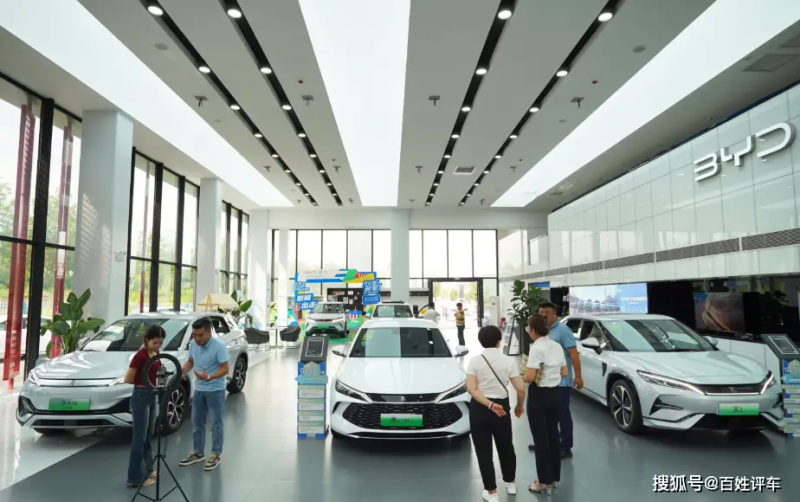
The impact of acquisition tax policies also needs to be considered for pure new energy buyers. In 2026, the new energy car purchase tax was halved, increasing the cost of purchasing a car compared to the full exemption in 2025. A new energy brand sale indicates that the impact of halving the acquisition tax is particularly evident for new energy vehicles of around $100,000, with consumers paying an additional $4,000; and for vehicles of more than $300,000, taxes and fees are increased by about $15,000, although consumers of such vehicles are less sensitive to prices. As a result, the budget of $100,000-$20,000 for pure new energy purchasers can wait for 3-4 months of increased concessions from distributors to offset the cost of higher purchase taxes。
People's cars
The spring car market in 2026 was a market examination for the policy change period and a rational test for consumer decisions on car purchases. For groups with replacement needs, particularly consumers who buy new energy vehicles from used and end-of-life vehicles, the spring season is certainly a cost-effective time to buy cars, with double subsidies from the state and the local level, and preferential storage for overloading cars, maximizing savings. In the case of pure new purchasers, however, it is better to be alert to the trick trap of “exclusive concessions” for spring festivals, with the march-april examination nodes. The “spring stage” of the car market was never a simple price game, but a precise match between demand and timing, and the real bargain was never “to catch up with the holiday benefits”, but rather “to buy a model that meets the demand and is reasonably priced”。