When you're driving on the highway, there's always a question in your mind: "what is the cost of this trip?" every time you see a row of numbers in a toll station, you'll probably get a little bit of a grip, and you're like, "it's a new day, and your wallet's gonna be a little lighter." in particular, for logistics companies and truck drivers, the rates for highways are not only personal travel but also the operating costs of companies。
How does the domestic highway charge really work? Today, we're going to find out exactly what the rates are for all types of vehicles and help you not get lost when you travel。
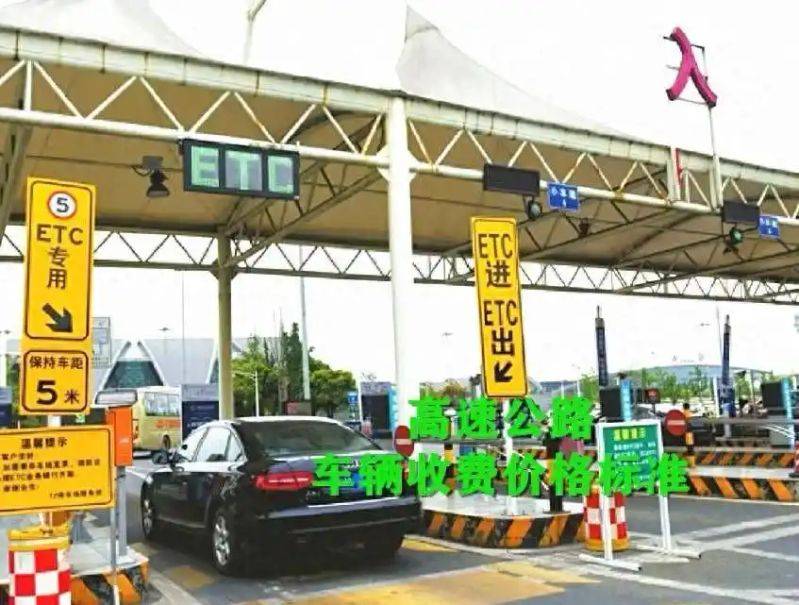
Highway rates: how to calculate
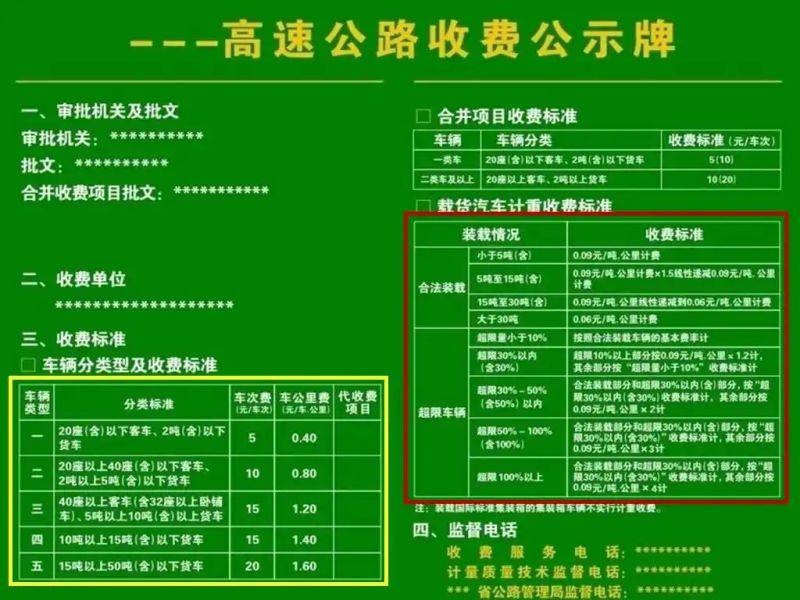
In china, the rates for highways are based on “car types” and “road blocks”, which complement each other and form the cornerstone of our daily “passage fees” across cities. High-speed charges are commonly charged on a kilometre basis, while in a few places they are charged by car。
Common car type charges:
Small vehicles (usually 5 sedans and less than 5 sedans and suvs): the fee per kilometre is approximately 0. 5 to 1. 2。
Medium vehicles (e. G., 7 commercial vehicles, vans, etc.): the rate is 1. 5 to 2. 8 per km。
Large vehicles (including trucks, heavy trucks, etc.): charge between $2. 5 and $6 per km。
Speaking of which, you must be wondering, what exactly would be the cost of going from a to b? Let's take an example: assuming a 100-kilometre highway from one city to another, the cost of a small sedan would be between $50 and $120; and a medium truck would go the same way, and the cost would be between $150 and $280。
Calculation of the cost of fuel and road travel
Our usual concern is the large costs of fuel and road travel. The cost of fuel is directly linked to the consumption of your vehicle, while the cost of crossing is based on the number of kilometres travelled and the type of vehicle。
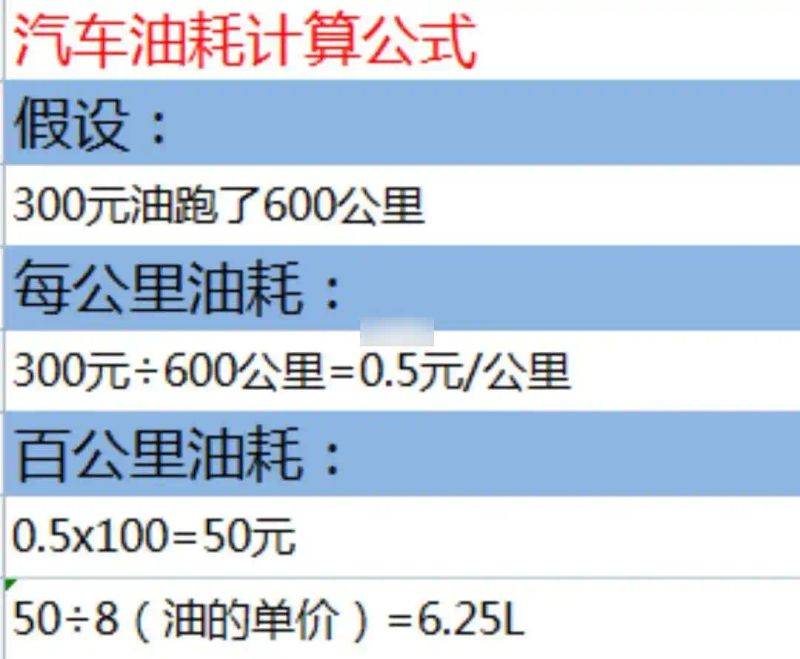
Calculation of fuel costs:
Assuming that your car consumes 7. 5 litres of oil for 100 km and the price of $7. 00/l, the cost of oil would be approximately:
7. 5 litres x $7 = $52. 5 (100 km oil)
Passage calculation:
If you're a small car, with a high-speed distance of 100 kilometres, the cost of crossing is about $45 to $100, and if you're a medium car, the cost is probably between $100 and $200, and if you're driving a big truck, it's more than $200。
Consolidated cost estimates: clear travel budget
If you're going to run a 1,000-km long drive and you want to fully calculate the cost, the following is a simple estimate of the size of the car:
Fuel costs: 7. 5 litres/100 km x $7/l x 10 (1,000 km) = $525
Passage: based on 0. 5 to $1. 2 per kilometre, the cost of 1,000 kilometres ranges from $500 to $1,200。
So the total cost of 1,000 kilometres is between $1025 and $1725. If you're driving a medium-sized car or a van, the total cost will no doubt increase significantly。
Difference between types of roads and fees
For highway charges, in addition to the model and number of kilometres, different types of roads are considered. For example, the rates for the four and six lanes would differ, with the higher fees often being the “gold sections” of those important hubs。
In addition, there are significant differences in the standards for inter- and intra-provincial fees. For example, when you travel through a major high-speed section from beijing to a city on the 2nd and 3rd line, you may encounter two different rates。
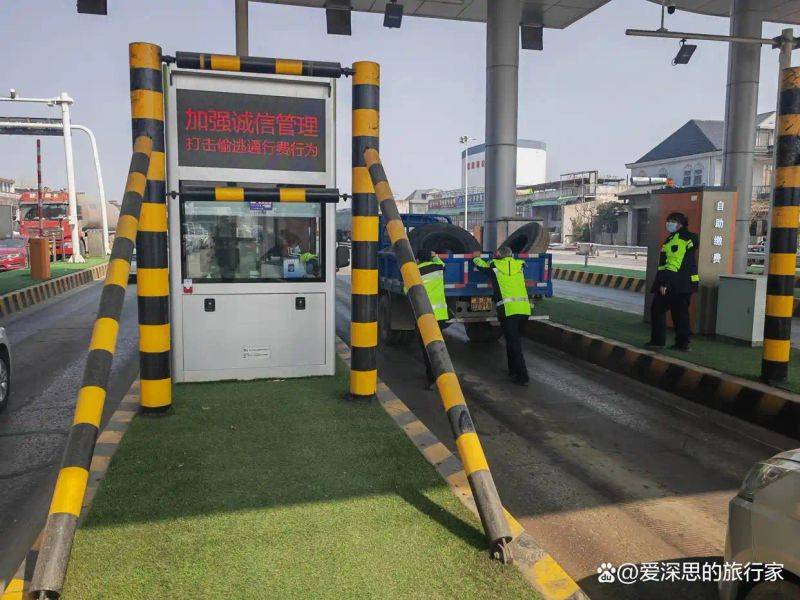
Special case: bridge and tunnel charges
Don't forget, it's not just a toll station on the highway. Many bridges and tunnels charge separate fees, especially in areas across the river and across the sea, and these special points tend to be much higher than conventional ones。
For example, tolls on a bridge may range from $10 to $50 depending on the type and size of the vehicle, while charges for tunnels are often higher because of the cost and speciality of their construction。
How can highway costs be reduced
For individual car owners, the technique of reducing the cost of crossing is a focus for countless people. In fact, there are a few simple ways to save you some money:
The choice to avoid peak periods: usually during holiday peaks, highway stations are heavily populated, which may lead to additional “peak period” charges being paid。
Advance routing: the use of navigational software to look ahead at less expensive sections, sometimes by going a little further, saves a lot of money。
Select the appropriate vehicle type: use small vehicles as far as possible, if conditions permit, to travel long distances and reduce the cost burden associated with heavy vehicle loads。
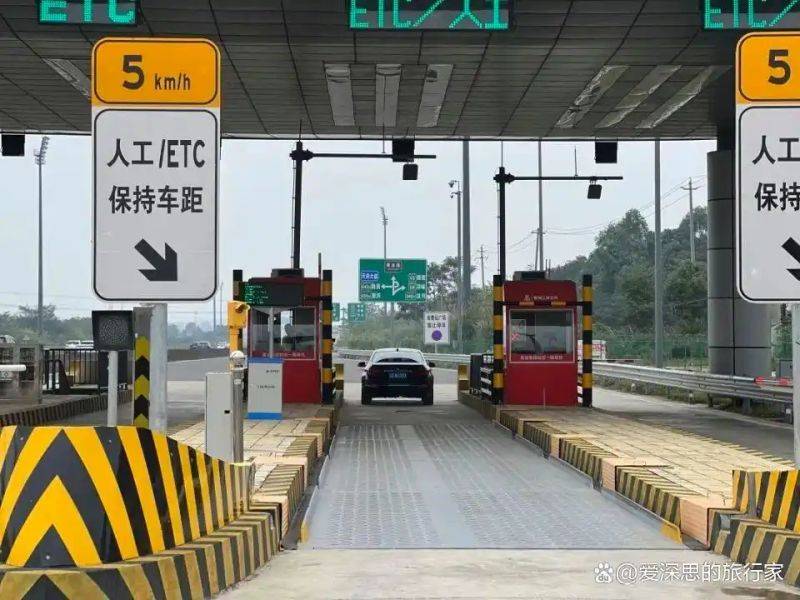
For logistics companies, optimal route planning and the choice of a reasonable time and distance at a reasonable cost can significantly reduce transport costs. Moreover, through long-term data accumulation and analysis, enterprises can develop more sophisticated travel budgets and avoid unnecessary waste。
Motorway charges are a multifactorial system involving car type, route, time and geographical location. In the case of individual carowners, with the right standards of fees and methods of calculation, the travel budget can be better budgeted and travel costs can be fairly distributed; in the case of logistics companies, precise route planning and cost control can reduce operating costs while ensuring transport efficiency。
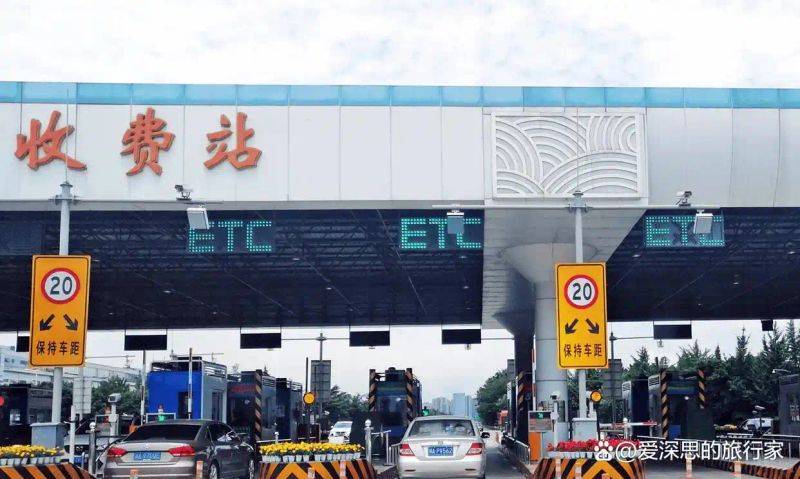
The most important point, however, is that the rates for highways are not static and that local policies may evolve as the economy and transport develop. Therefore, it is recommended that owners and friends of logistics companies pay regular attention to policy updates to ensure that they are not “caved” without knowledge。
What else do you have in mind and experience with highway charges? We welcome the sharing of experiences in the comment area and the sharing of experiences to improve efficiency in travel