In shanghai, the market for second-hand houses showed a steady and moderate trend in march 2026, with prices generally flat, but with variations between regions and data sources, with average prices concentrated around $51549/m2 and some core regions with unit prices above $100,000/m2。
Overview of core price data
Based on cross-analysis of multiple data, the price of used houses in shanghai in march 2026 was characterized by the following:
Average market reference price
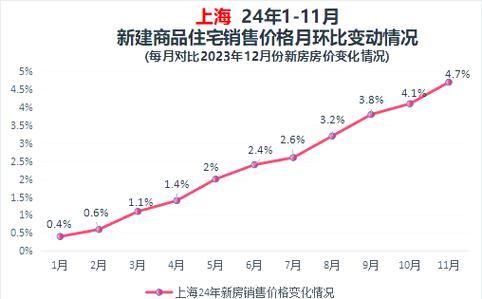
According to the data, the average reference price for second-hand homes was $51549/m2 in march, a slight decrease of 0. 39 per cent compared to february, continuing a small reversal trend。
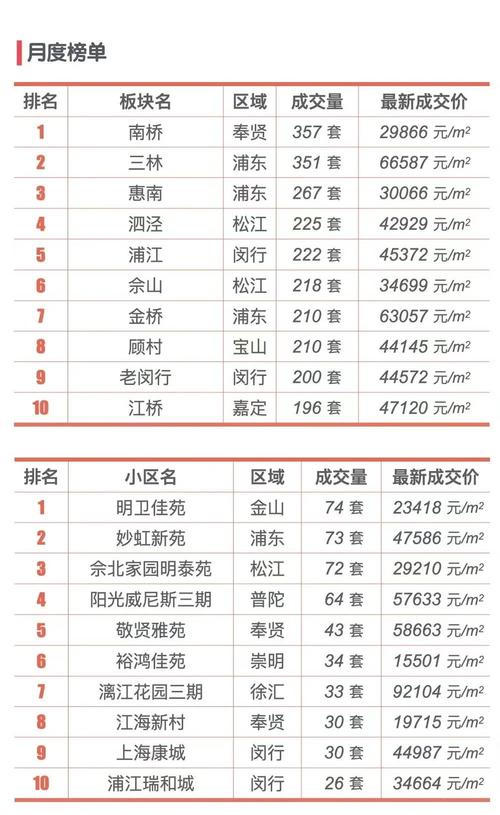
Shell platform data show an average price of $561 million/m2 , higher than other platforms, which may be related to the focus of the sample structure on central urban areas。
According to creprice. Cn, the february listing price was $6. 11 million/m2 and the ring ratio decreased by 3. 82 per cent, indicating differences in the statistical calibration of different agencies。
There's a significant fragmentation of the region
High prices are high in the centre of the city: the average price in huangpo district is $99502/m2 and the average is over $70,000/m2。
A small area of a large house has a unit price of 240,000。
Suburban prices are relatively mild: the average price, for example, in the “city garden”, is only $4,964/m2, reflecting a decrease of 18. 73 per cent over the same period, reflecting greater pressure on the decomposition of the outer suburbs。
Market transactions dynamics
The average number of internet signatures on march was approximately 719 , which, although up from the low valleys affected by spring february, was still below the same level for the same period last year。
The total number of second-hand houses is approximately 318,000 units, and the pressure on stocks remains high, prompting some owners to reduce their prices for sale, and more than 5,000 units within two weeks。
The round-up increase of nearly 140 per cent indicates a rebound in market activity, but the trade conversion still needs to be observed。
Ii. Policy and market trends implications
The “article 7” new deal was launched at the end of february 2026, which eased purchases, increased the amount of the provident fund loan, and implemented the “no-privileged” policy, with the aim of stimulating reasonable housing demand。
Market sentiment has shifted: from “price-for-price” to “volume-price-comparison”, the seller's willingness to reduce prices has diminished and the buyer's wait-and-see mood remains。
Structural fragmentation has increased: the core blocks (e. G., cao yang, xianyang) have experienced a steady recovery in prices, driven by seasons and moving expectations, while the peri-urban blocks have suffered from supply and demand imbalances and continued price pressure。